Guide to Pyrenees Refuges
Discover everything you need to know about Pyrenees mountain refuges, from booking and packing tips to choosing the best routes for an unforgettable hut-to-hut trek.
Quick links
Don't want to read all this?
We've planned 2,000+ hiking trips. Send your dates, fitness and group size — we'll map the route and book every night.



A complete guide to mountain refuges, huts and overnight stays in the Pyrenees. From lakeside lodges to high-altitude bivouacs, here's everything you need to know about where to sleep, what to expect, and how to plan your hut-to-hut trekking adventure across the range.
Planning a multi-day trek in the Pyrenees? This comprehensive guide covers refuge accommodation, booking systems, what to pack, camping regulations, and practical tips for staying in mountain huts on both the French and Spanish sides. Whether you're planning a family weekend at an accessible refuge or a serious high-mountain traverse, here's how to make the most of the Pyrenees' remarkable network of mountain hospitality.
The Pyrenees are crisscrossed by one of Europe's most extensive refuge networks, making multi-day trekking here very accessible.
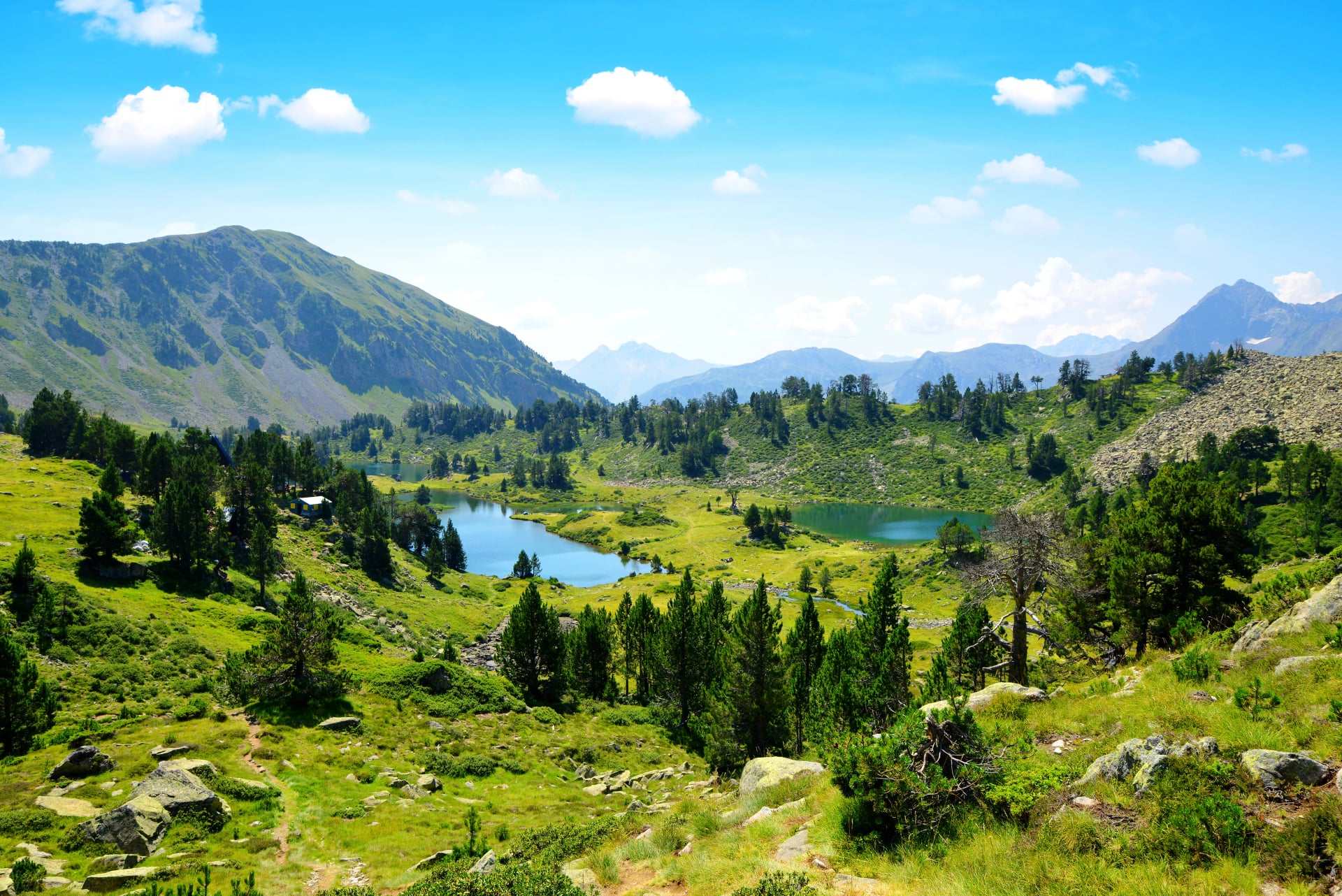
Hot meals, comfortable beds, and a roof over your head right in the middle of serious mountain scenery, this is what transforms a challenging hike into an unforgettable mountain journey. Whether you're walking the GR10, linking classic circuits, or creating your own route, the refuge system opens up weeks of exploration without carrying a heavy tent or cooking gear.
Where Are Refuges Located in the Pyrenees
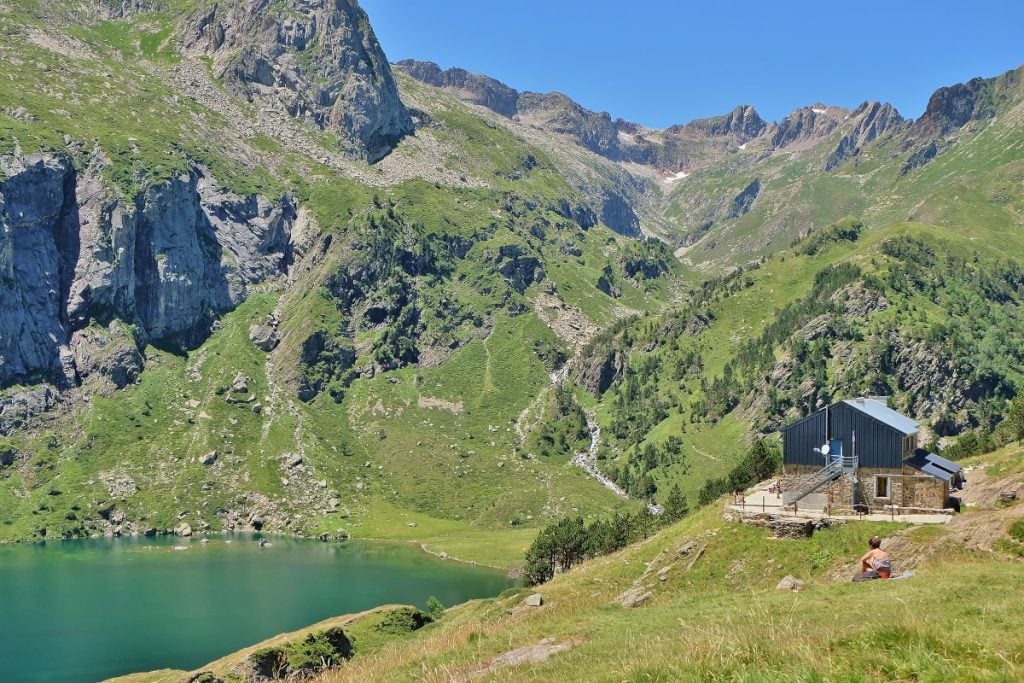
Refuges are strategically placed throughout the Pyrenees, from the Atlantic coast to the Mediterranean, covering both French and Spanish sides of the range.
The highest concentration sits in the central Pyrenees, where dramatic peaks, glacial valleys and popular long-distance routes like the GR10, GR11 and HRP create the greatest demand.
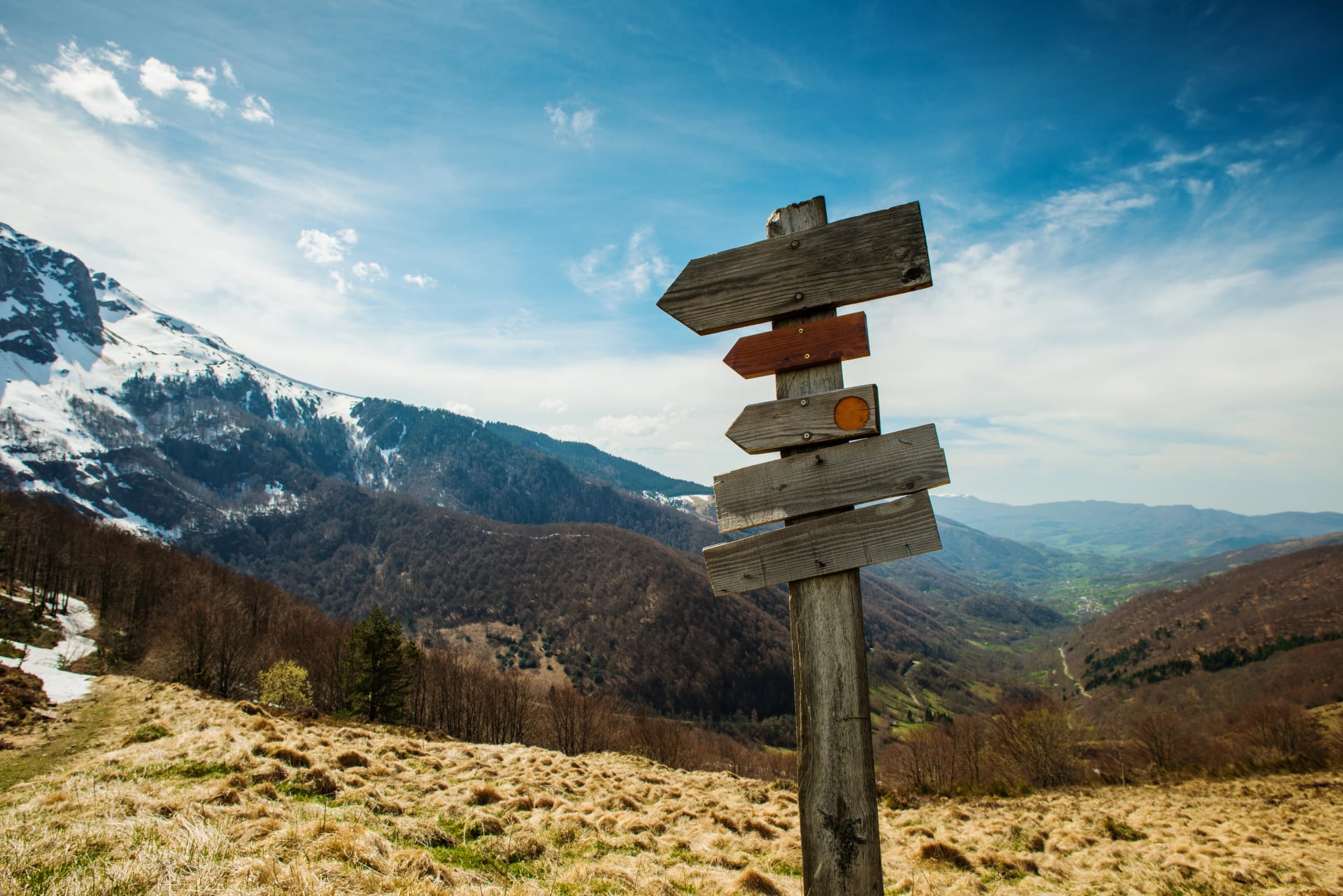
Most refuges sit between 1,800 and 2,500 metres elevation, though a few reach higher.
They're typically spaced 4–8 hours walking distance apart, making it possible to chain them together into logical stages.
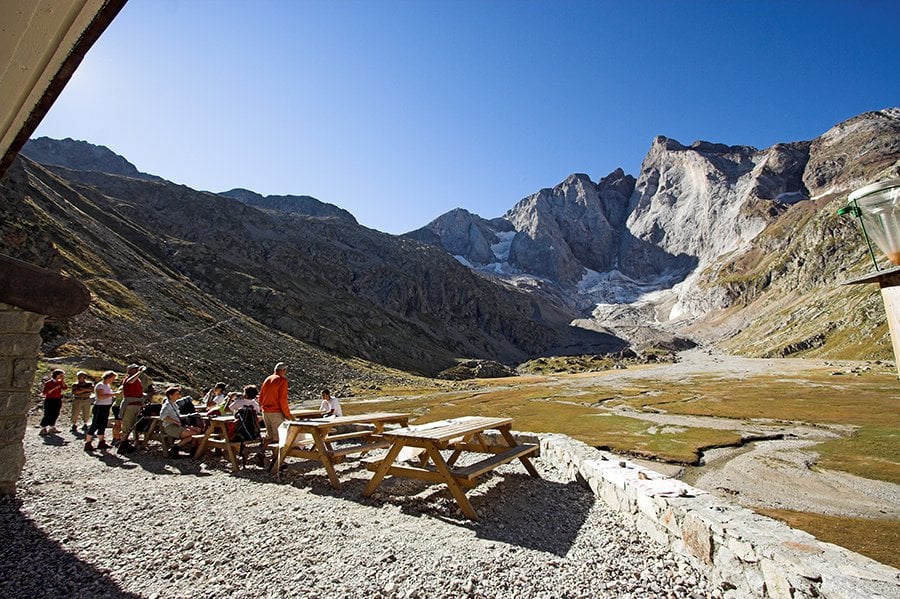
Some refuges are just 2–3 hours from valley roads, perfect for families or less experienced hikers. Others require full-day approaches through wild terrain, rewarding you with genuine remoteness.
Types of Refuges: Guarded vs Unguarded
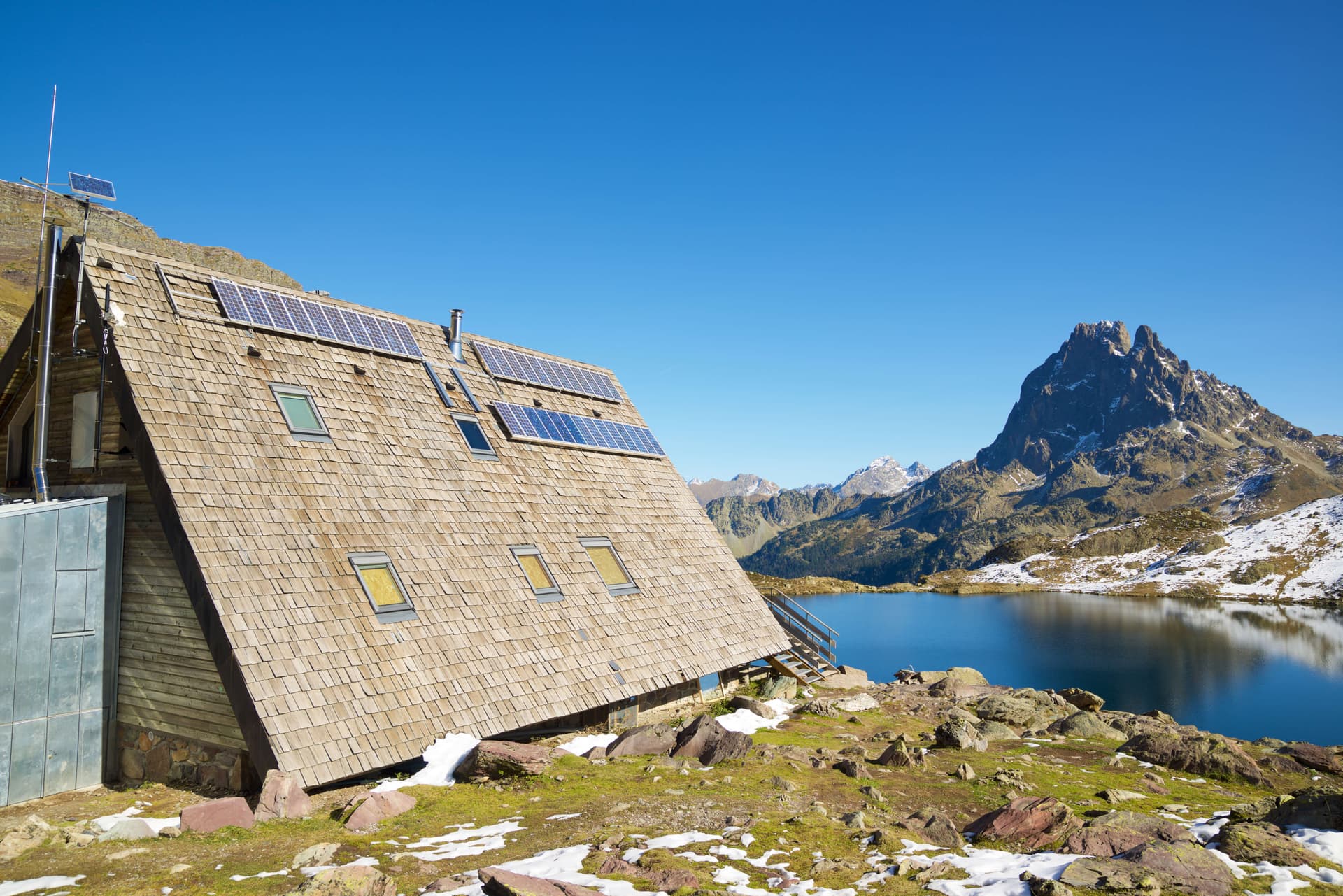
In the Pyrenees you’ll find both guarded and unguarded refuges, each offering a different level of comfort and service. It helps to know the difference before you go. Understanding the difference between guarded and unguarded refuges is essential for planning your trek.
Guarded Refuges (Refuges Gardés)
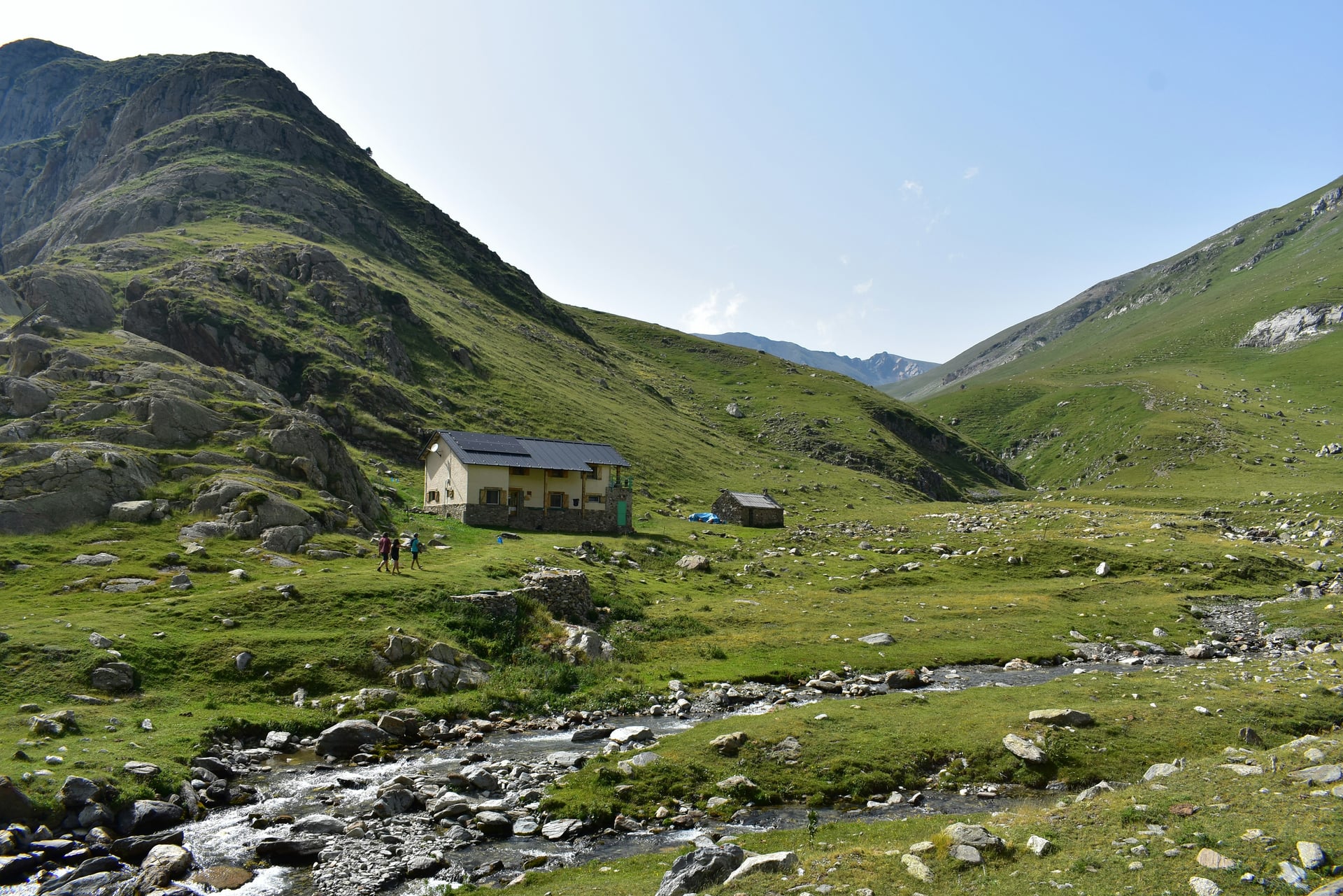
Guarded refuges are the most common type of hut hikers encounter in summer.
Here is what they offer:
Open in summer, usually late June to September.
A warden lives on-site during this period.
They provide meals, manage the hut and maintain facilities.
Wardens offer local route and weather advice.
Hot dinner and breakfast included in your booking
Bunk beds with blankets or duvets provided
Running water and basic washing facilities
Emergency communication via radio or satellite phone
Weather forecasts and route advice from experienced staff
A social atmosphere with communal dining and conversation
These refuges feel welcoming and comfortable, though never luxurious. The focus remains firmly on mountain simplicity rather than hotel amenities.
Unguarded Refuges (Refuges Non Gardés)
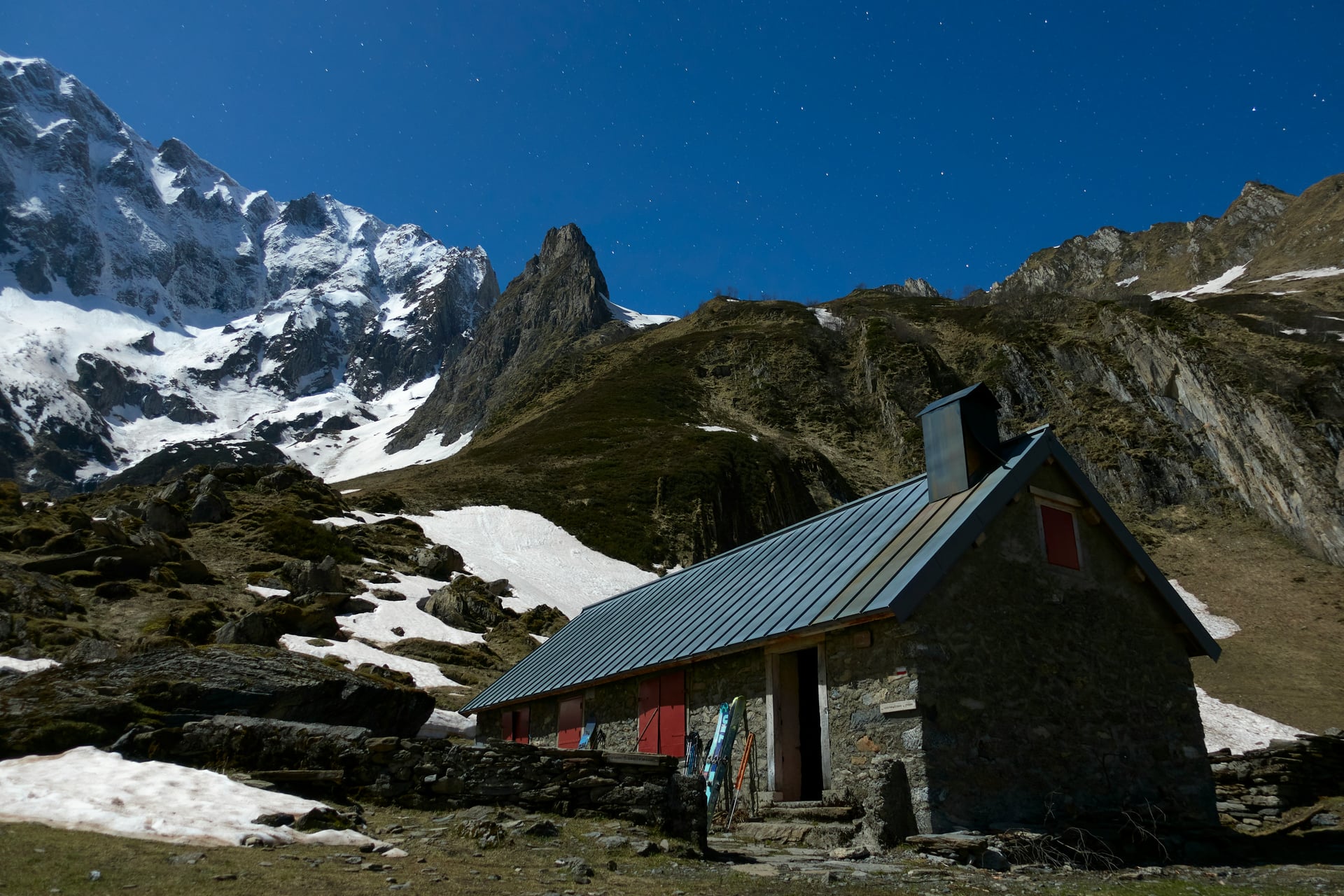
Outside the main season, many huts switch to unguarded mode and only a simple winter room stays open. These are much more basic than summer refuges:
Open roughly October to May.
Offer basic shelter with mattresses and blankets.
No staff, no meals, no water, often no electricity.
For self-sufficient winter hikers and mountaineers.
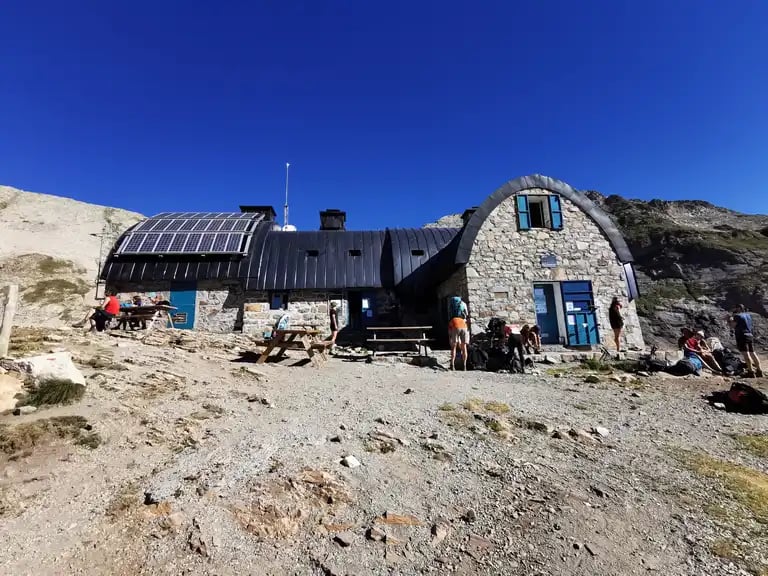
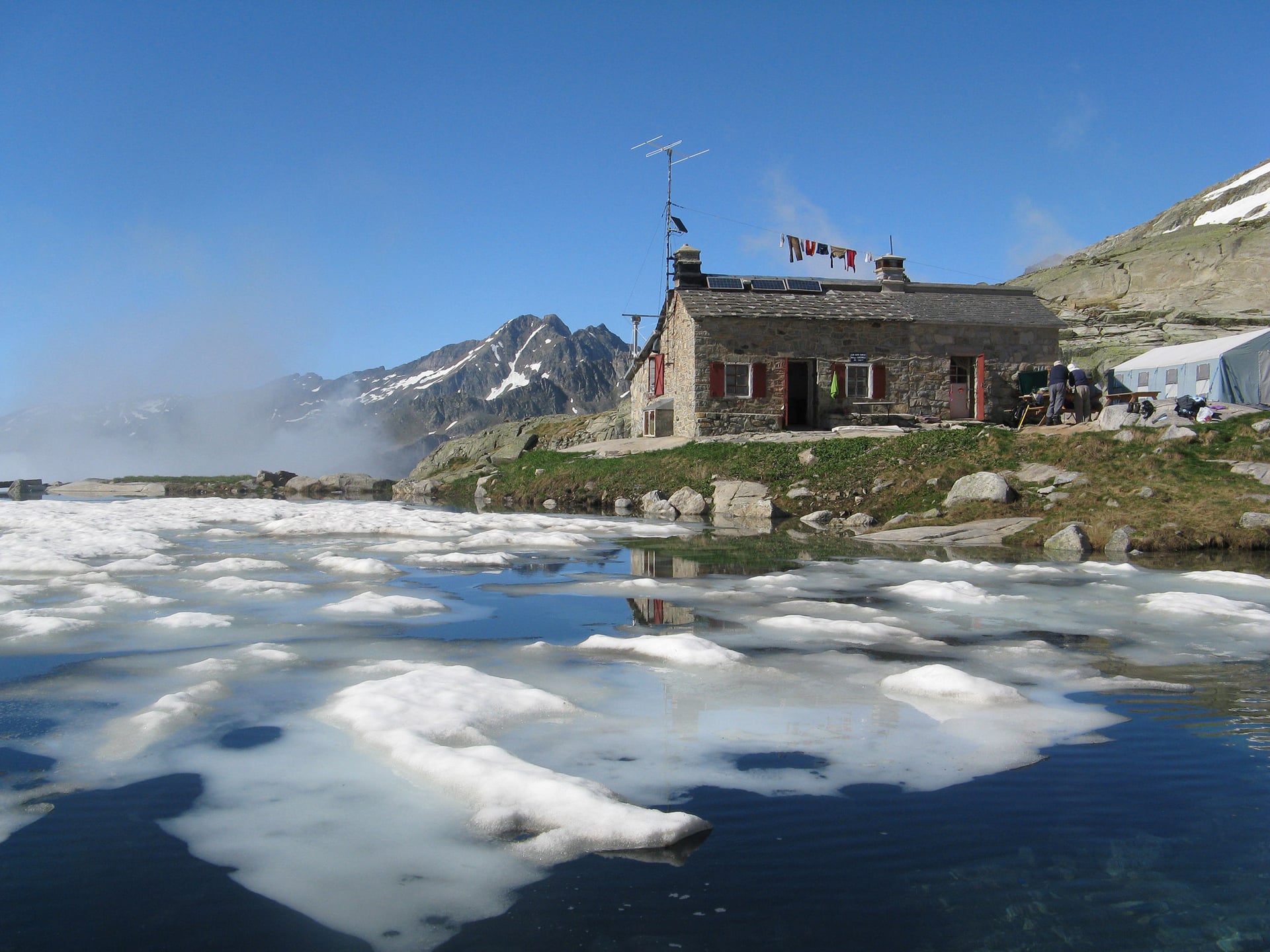
Some small refuges remain unguarded year-round. These are typically simple stone huts with minimal facilities, intended for emergency shelter or experienced hikers who prefer solitude. You must bring all your own food, cooking equipment and sleeping gear.
What to Expect at a Pyrenees Refuge
Facilities and Comfort
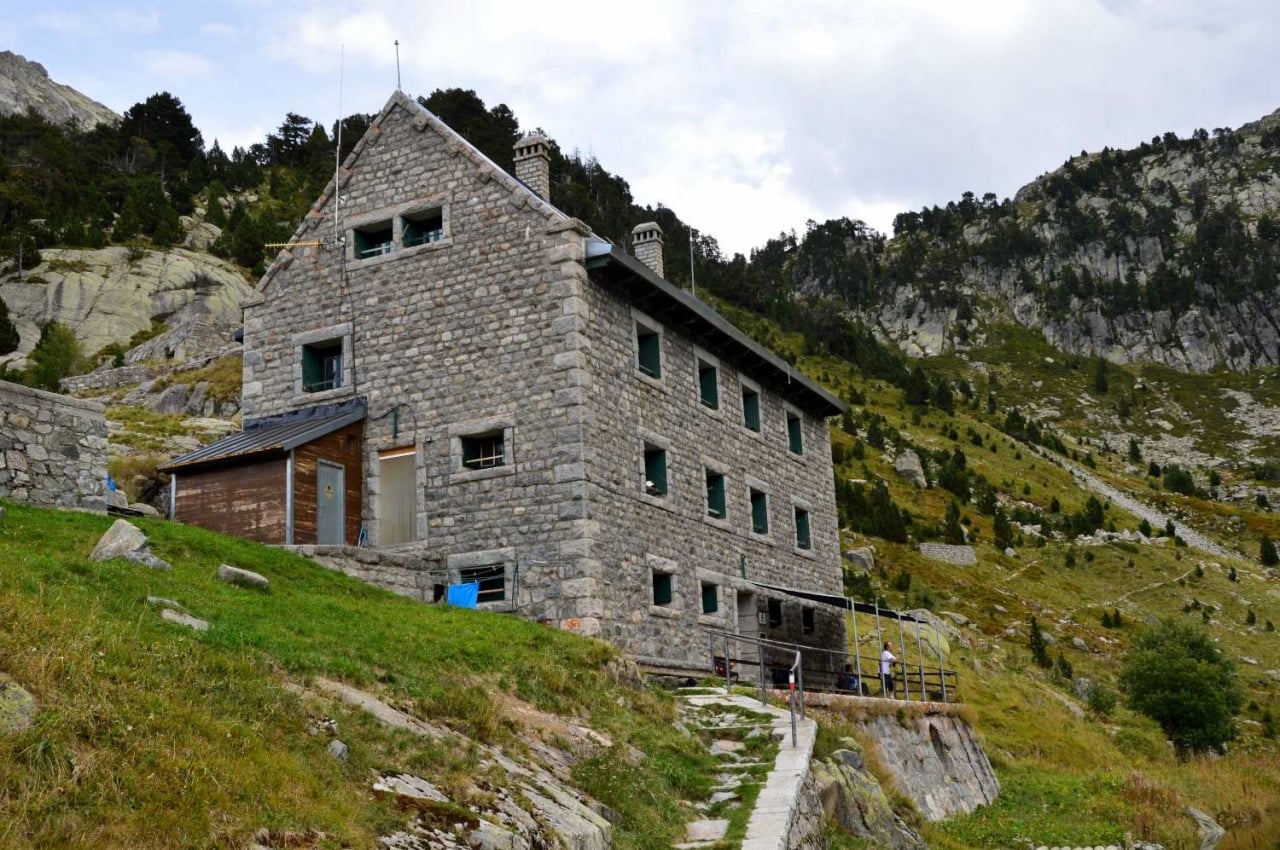
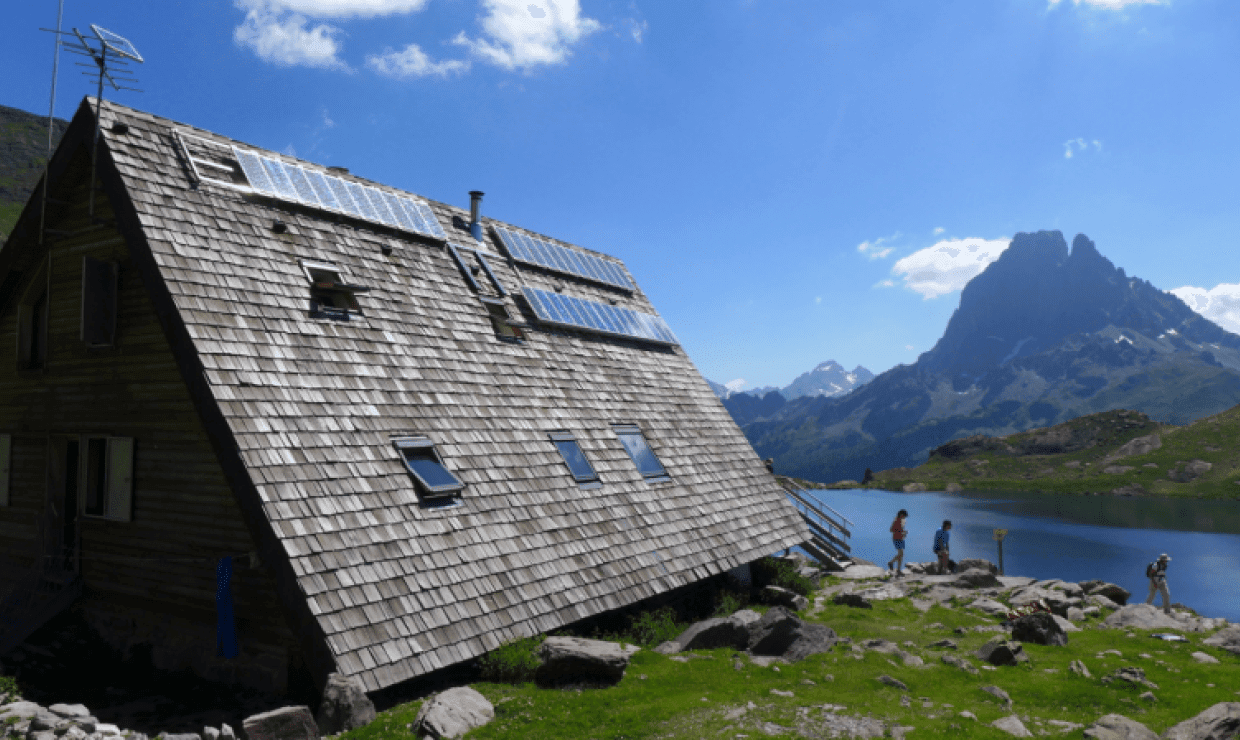
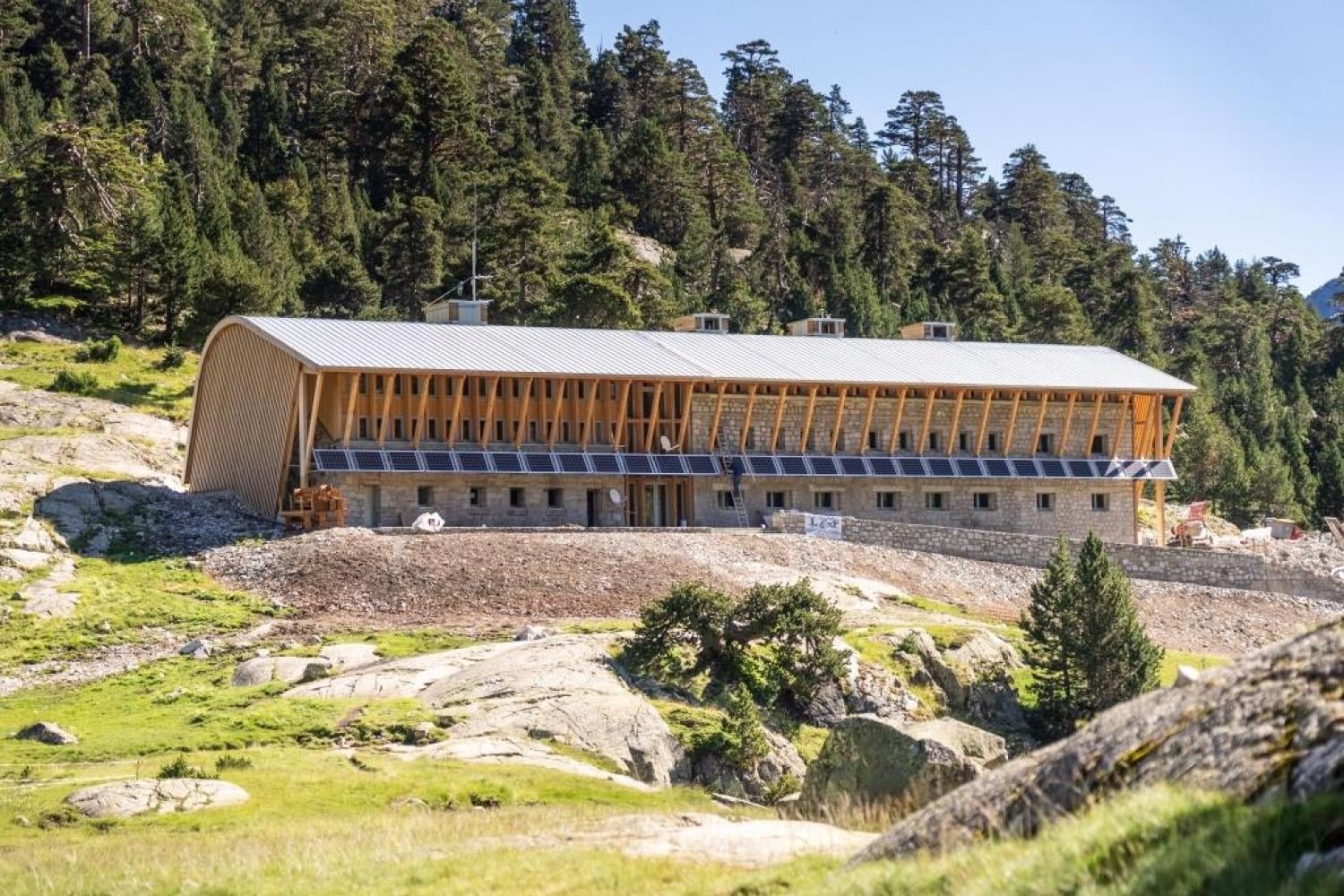
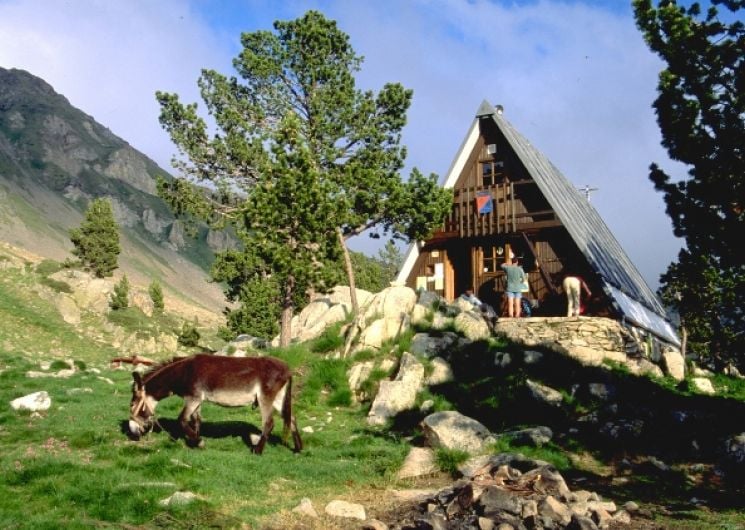
Pyrenees refuges vary widely in size, comfort and atmosphere. Some are small mountain huts with room for 20 to 40 people, while larger, more popular refuges in national parks can host 60 to 100 hikers in peak season. The smaller huts feel intimate and often sell out quickly, so booking early is essential, especially in July and August.
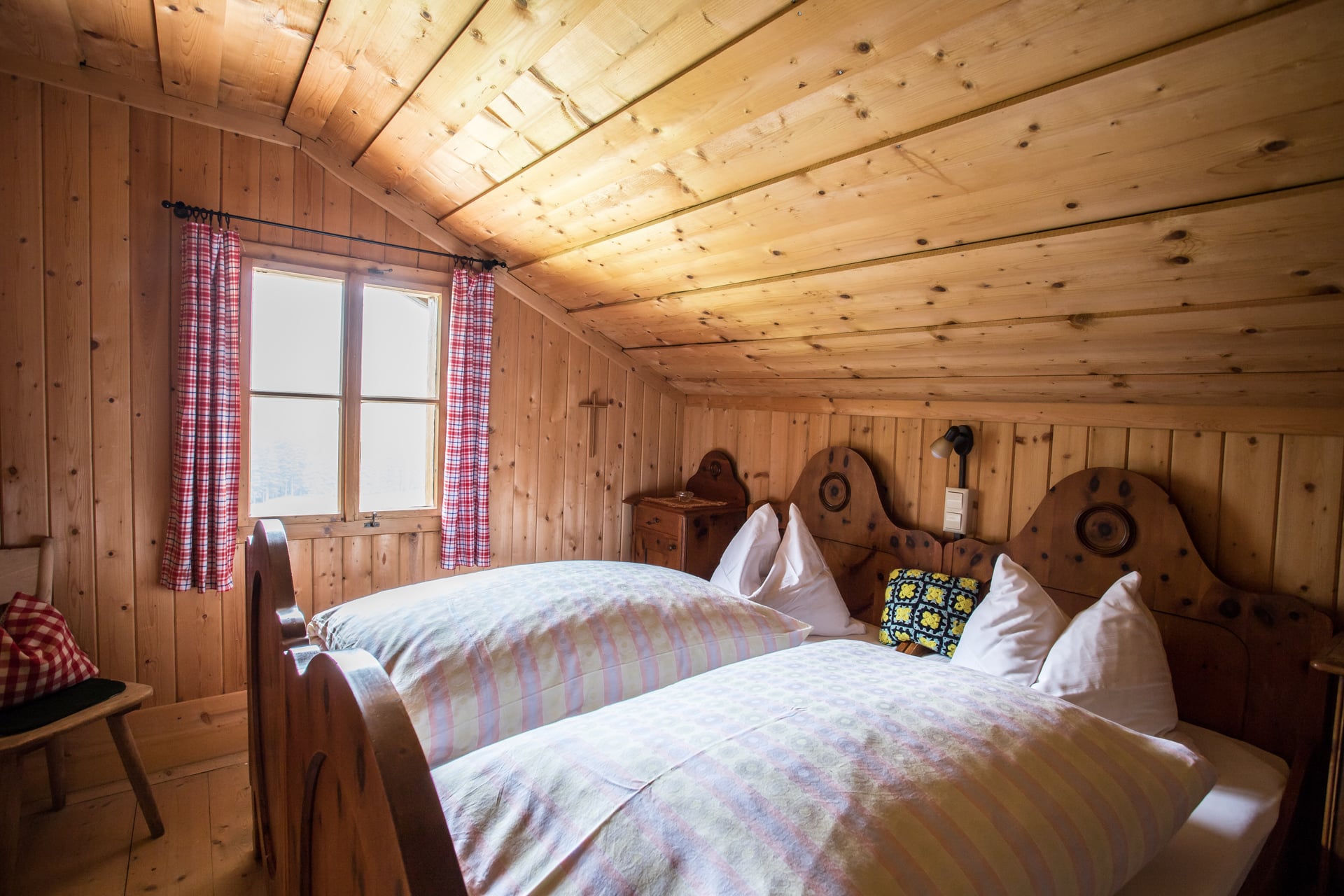
Sleeping arrangements are usually in shared dormitories, which range from simple 4-bed rooms to large communal spaces. Most refuges provide blankets and pillows, but you must bring your own sleeping sheet for hygiene. Private rooms are rare in high-altitude huts, though a few lower-elevation gîtes and valley refuges may offer small private or semi-private rooms that book out months in advance.
Showers are available in many refuges, but the quality depends on altitude and water access. Lower huts often have hot showers, sometimes using a token system to limit water consumption. Higher huts may only have cold showers, and the most remote ones have no showers at all. Water comes from springs and must often be heated by solar panels or small generators, so usage is carefully limited.
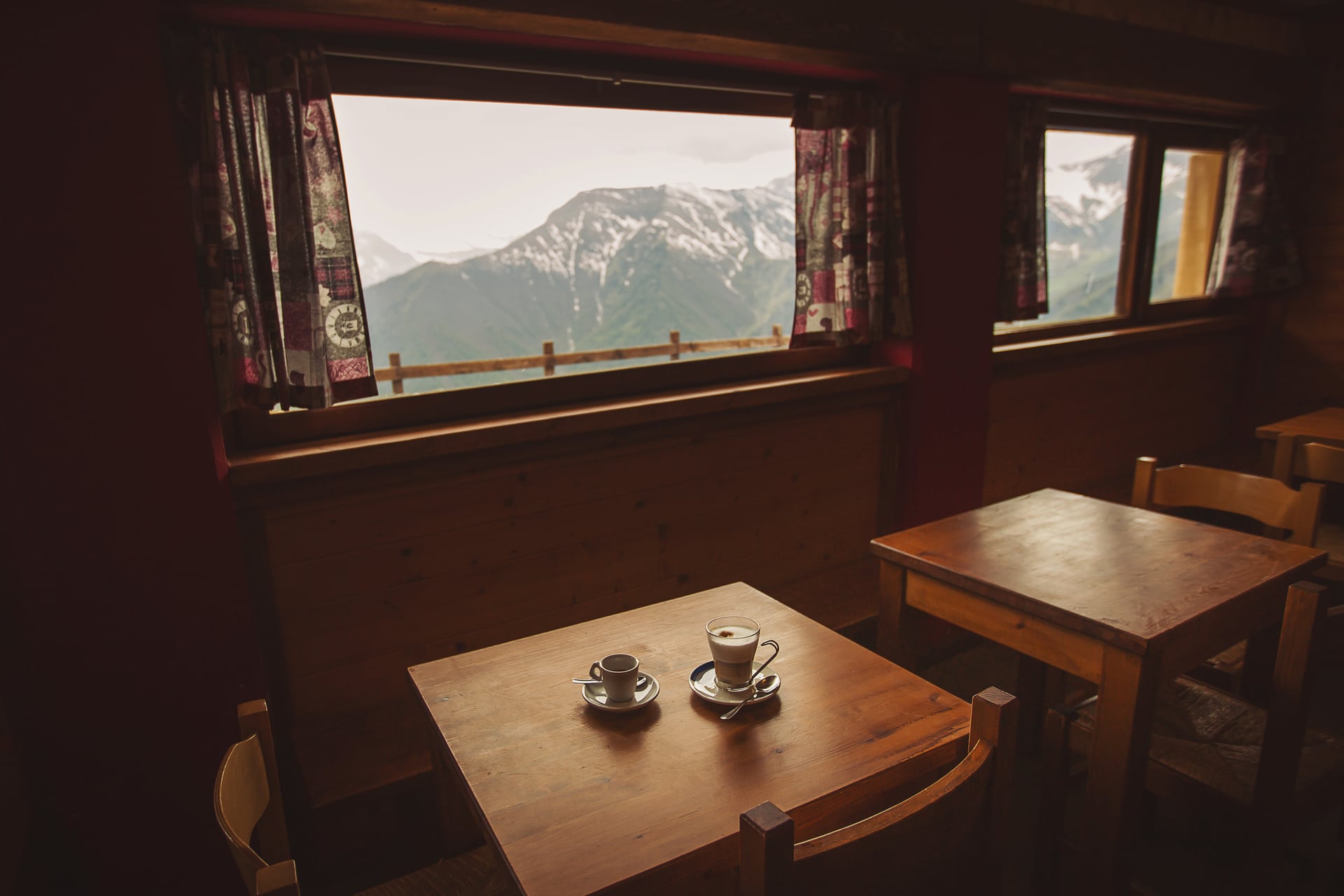
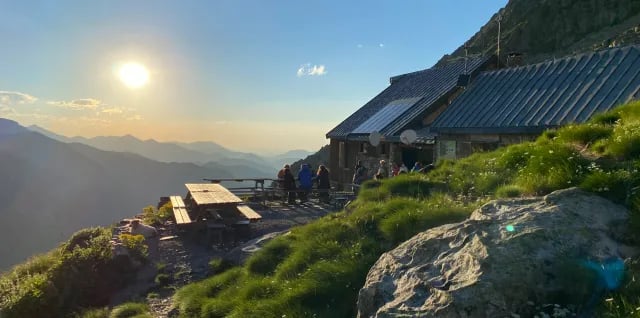
Refuges almost always have a dining room, which serves as the social heart of the hut. Dinner is usually a set menu, eaten at long communal tables. Breakfast is simple but filling, and many refuges offer packed lunches for the next day.
Most refuges have a drying room for wet gear, a boot rack and a small common area for relaxing. Electricity is limited, so charging outlets may be available only at certain times or for a fee. Wi-Fi is rare, and phone signal is often weak or nonexistent at high altitude.
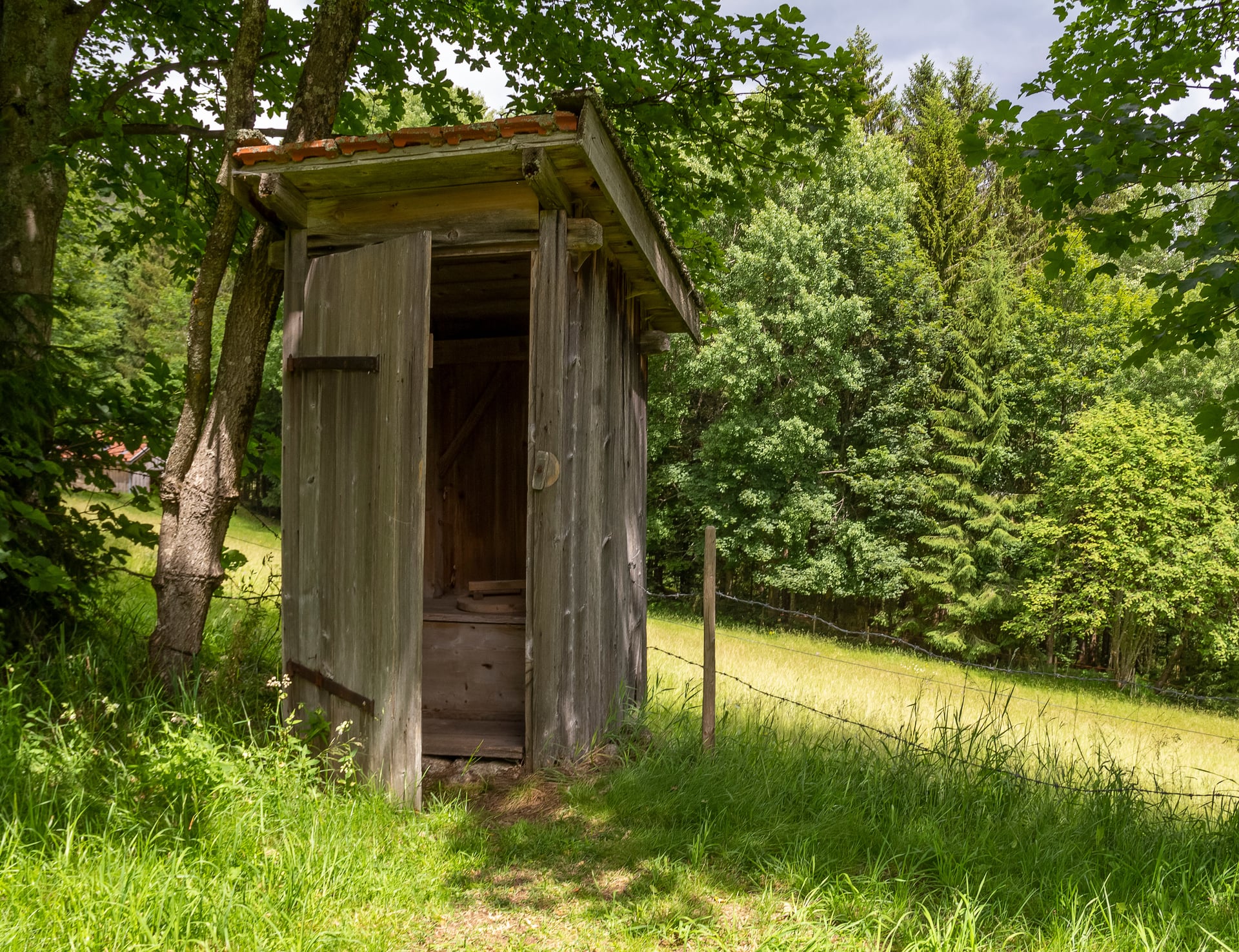
Toilets can range from modern flush facilities at lower huts to composting or simple pit toilets in high or remote huts. All refuges maintain them carefully, but expectations should match the mountain environment.
Payments also vary by hut. Many refuges now accept credit cards, especially busier ones in national parks, but cash is still recommended for smaller huts or if the card terminal loses connection. Reservations are strongly encouraged for any refuge with meals or sleeping services, as they often reach full capacity during summer weekends.
If you prefer a smoother experience, we can help organise your refuge bookings so you always have a confirmed bed waiting for you. It removes the pressure and lets you focus fully on the hiking.
Start planning today!
The sooner the better - guaranteed availability and best prices if you don't wait for too long.
Refuge Cuisine: What to Expect
Refuge meals are simple, hearty and satisfying. Wardens prepare food for dozens of hungry hikers using limited kitchen facilities at high altitude, often relying on ingredients delivered by helicopter or mule. Despite these constraints, the food is almost always good and plentiful.
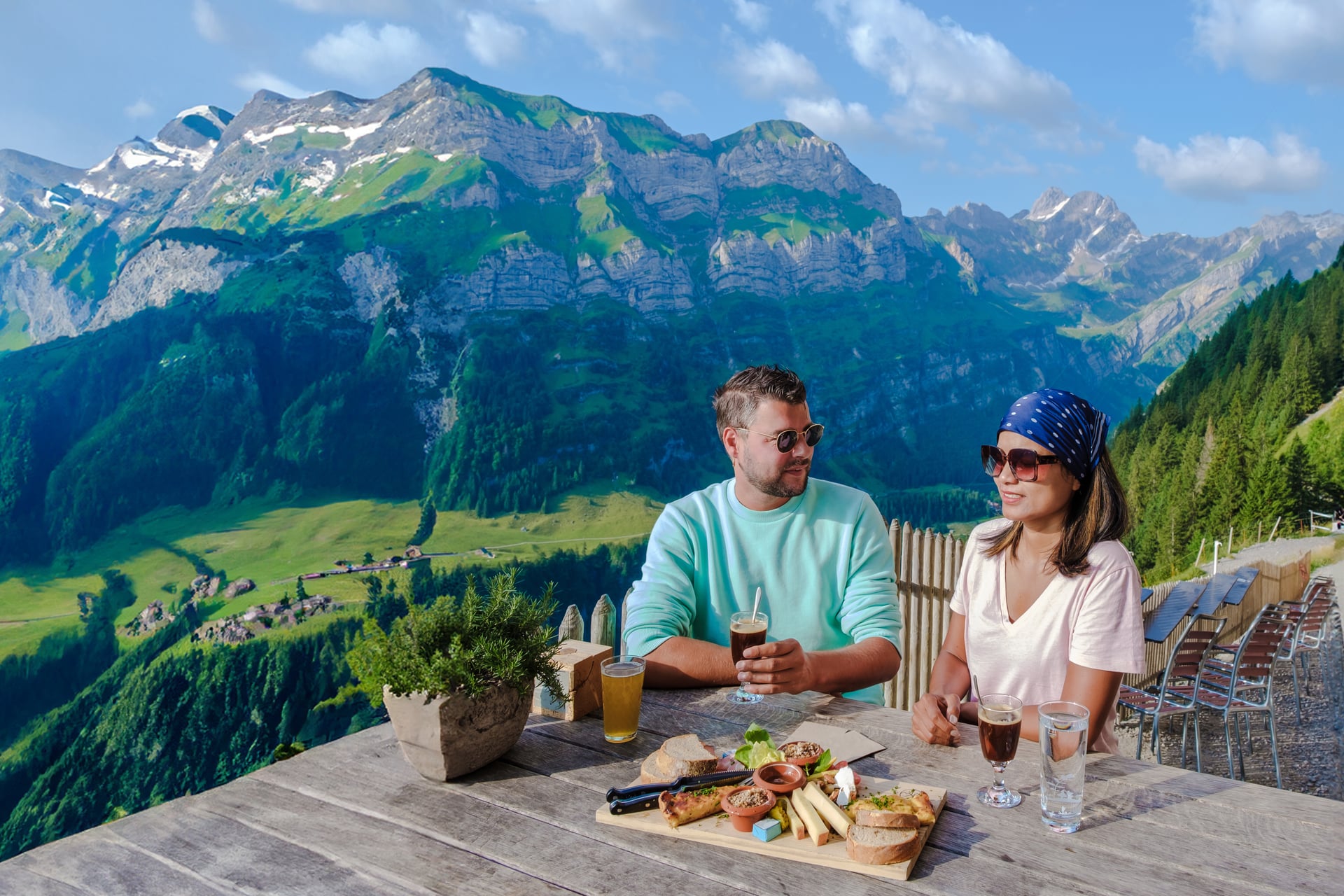
Dinner and breakfast are included in your half-board booking. Meals are served communally at fixed times, typically 7:30–8:30 PM for dinner and 7:00–8:00 AM for breakfast. Many refuges also prepare packed lunches for the next day's hike if you request them in advance.
Typical Dinner Menu:
Soup (often vegetable or lentil)
Main course: pasta, rice, or polenta with meat sauce, sausages, or vegetarian options
Cheese platter with local mountain cheeses
Dessert: fruit compote, yogurt, or simple cake
Bread (always abundant)
Regional Specialties
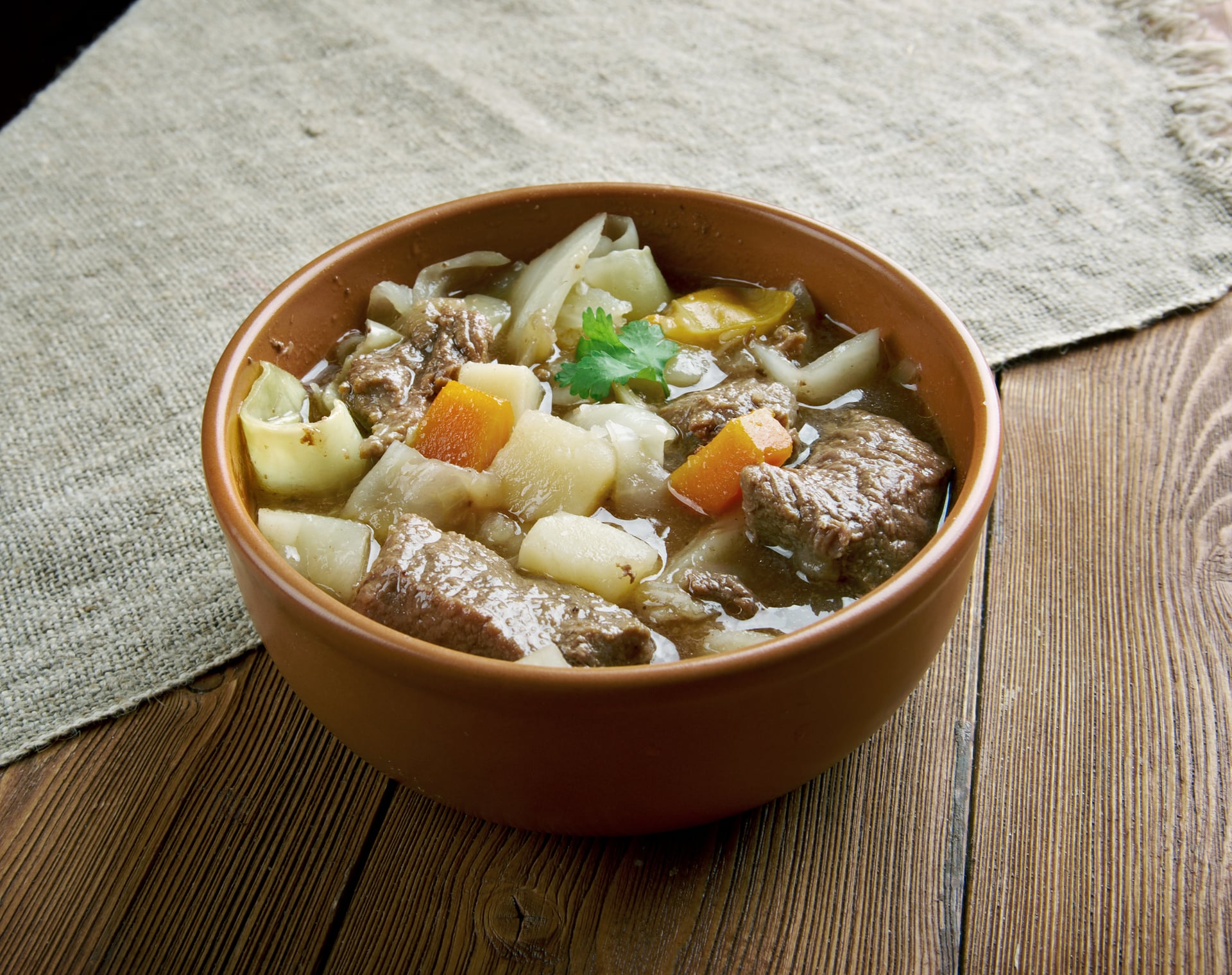
French refuges often feature garbure (a thick Pyrenean soup with cabbage and meat), cassoulet, or tartiflette (potatoes, cheese and bacon). Spanish refuges serve cocido (mountain stew), migas (fried breadcrumbs with chorizo), or ternasco (roast lamb). These dishes reflect local mountain traditions and add cultural flavor to your trek.
Special Diets
Most refuges accommodate vegetarian requests if you inform them when booking. Vegan, gluten-free or other special dietary needs can be more challenging but are increasingly possible, always communicate your requirements in advance.
We can help you choose and book refuges that match your meal preferences and any dietary needs.
French vs Spanish Refuge Systems
The Pyrenees span accross France and Spain, and each has its own approach to mountain refuge management and booking.
French Refuges
French refuges tend to be smaller and more rustic compared to the Spanish ones. Thez maintain a strong tradition of mountain simplicity. The atmosphere is warm and convivial, with wardens who often have deep knowledge of local history, flora and weather patterns.
Booking is typically done hut-by-hut via phone or email, with wardens relying on trust that you'll arrive as promised. This system feels personal but can be time-consuming if you're planning a long trek through multiple huts.
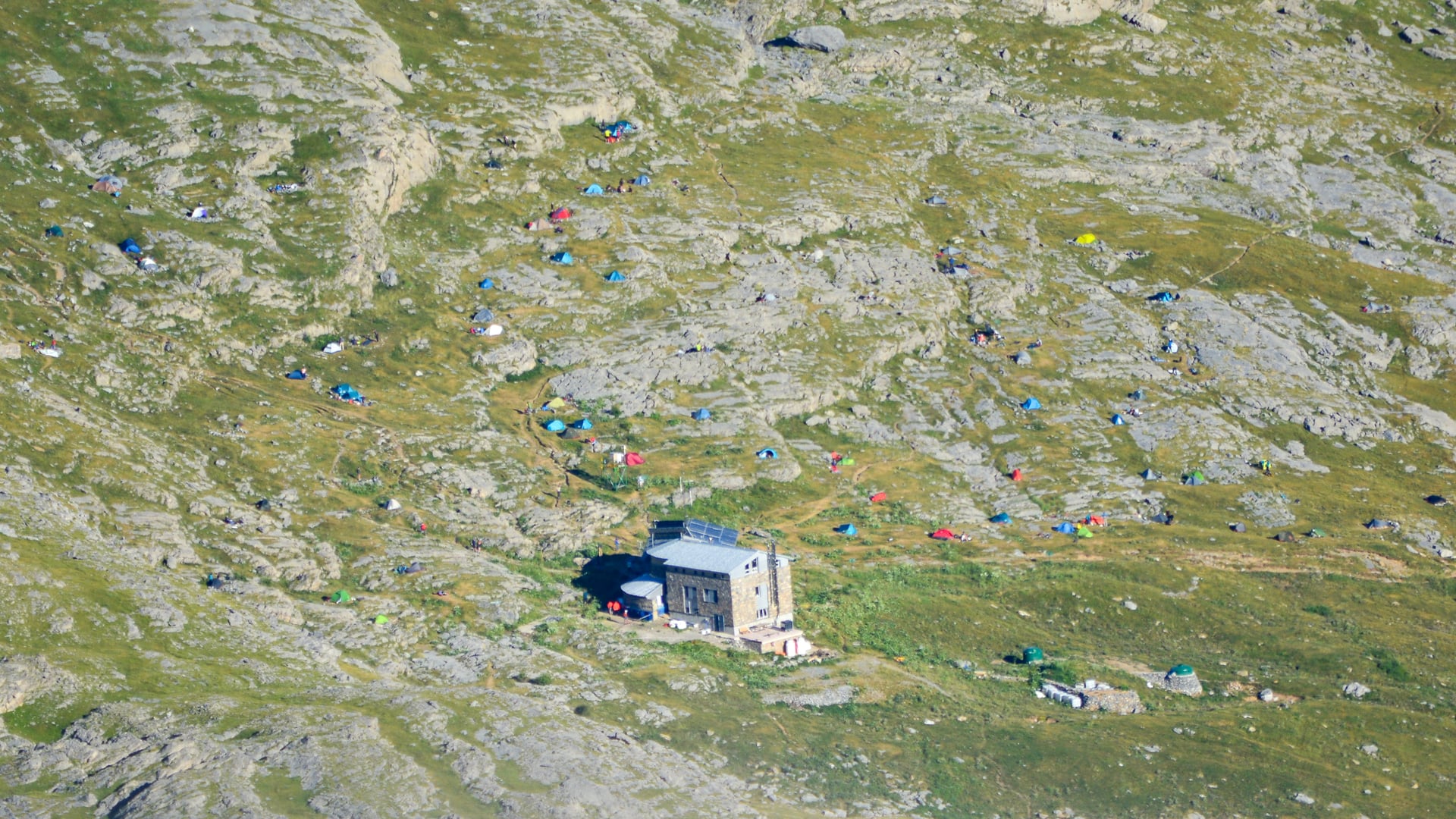
Key French refuge areas include:
Néouvielle (Lac d'Oô, Oule, Bastan)
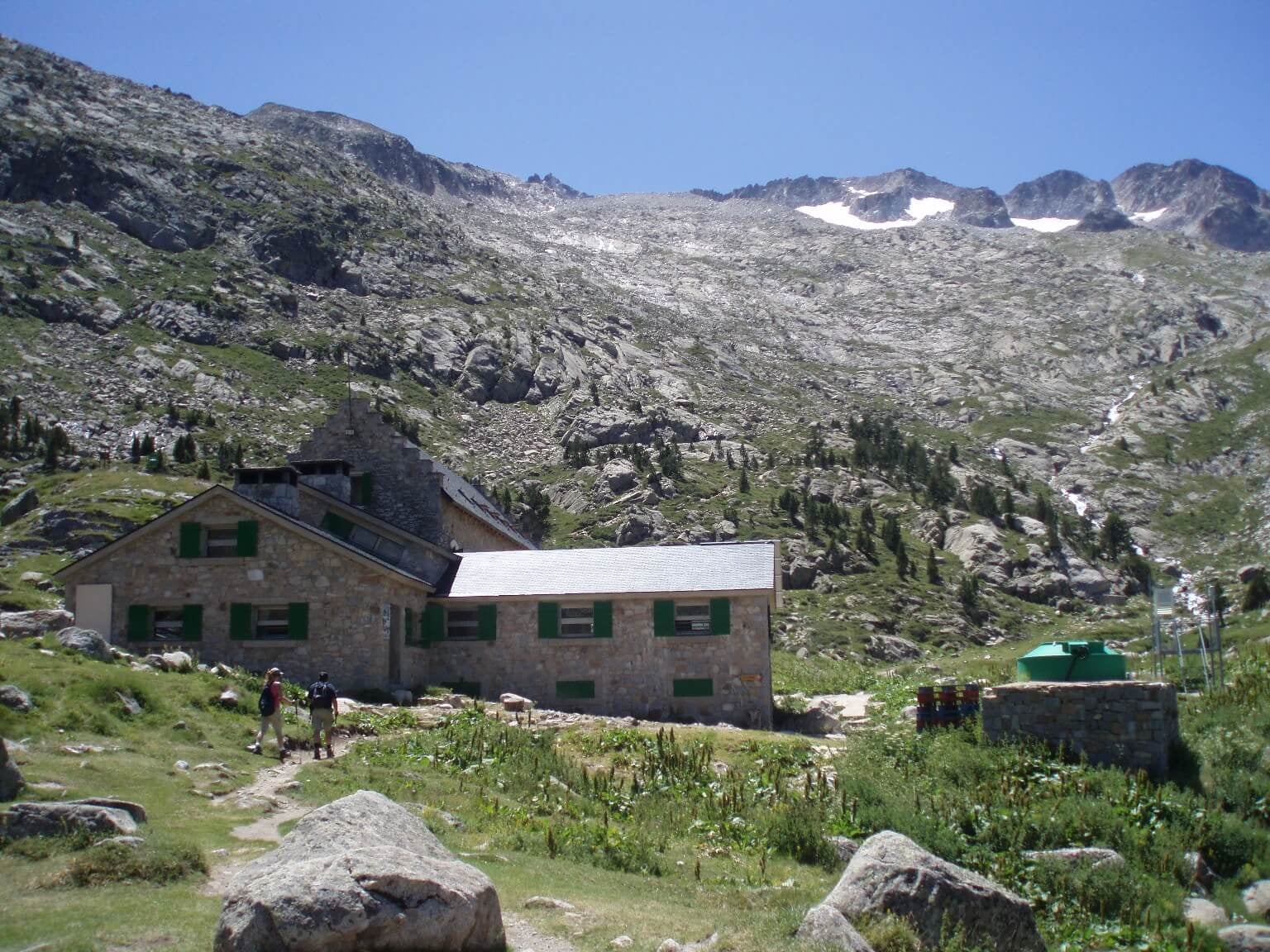
Cauterets and Vignemale (Wallon-Marcadau, Oulettes de Gaube, Bayssellance)
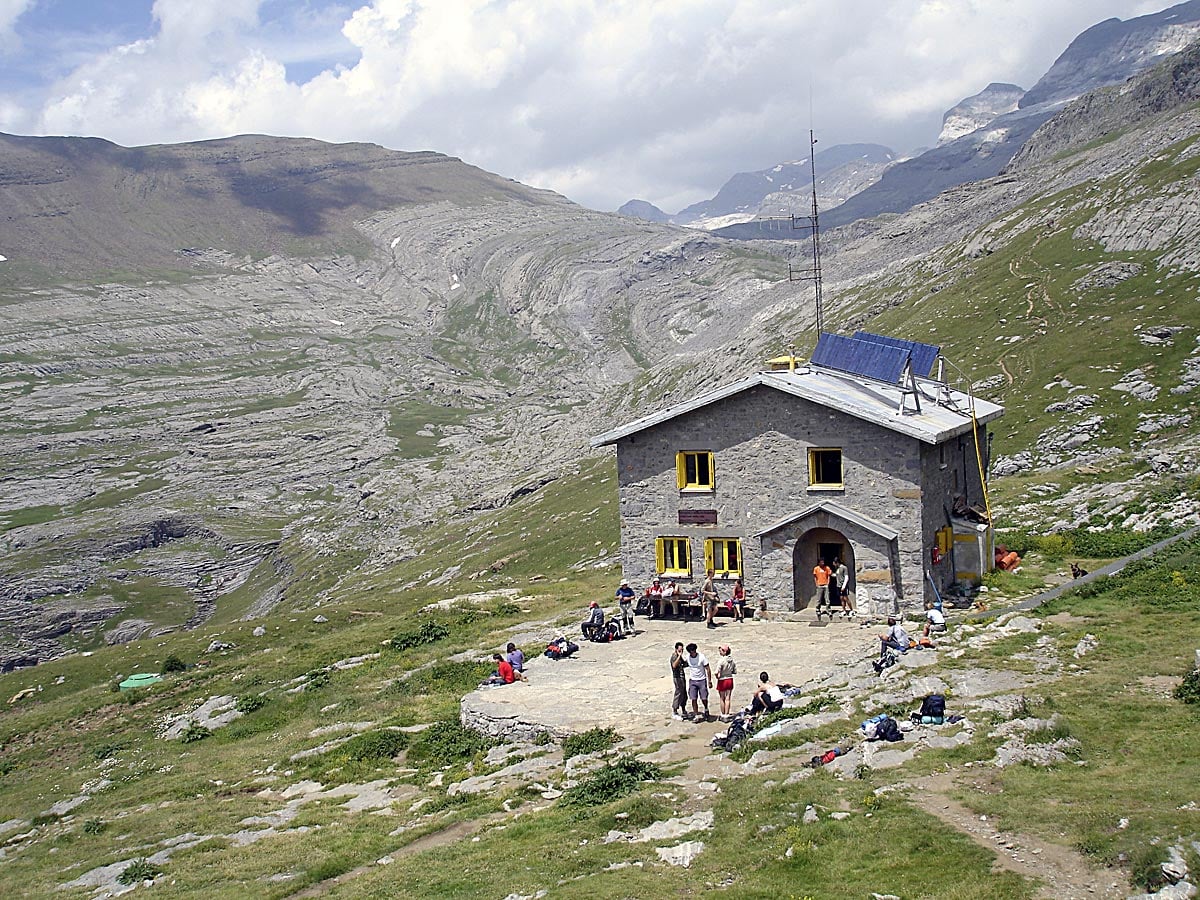
Gavarnie (Sarradets, Espuguettes)
Ariège (Estagnous, Rulhe, Fourcat)
Most Popular French Refuges
Explore the main French refuges in the Pyrenees, with options for hut-to-hut hikes and multi-day trekking itineraries.
Spanish Refuges
Spanish refuges can be slightly larger and more modern than their French counterparts, though this varies widely. The dining atmosphere is equally social, and meals often reflect Aragonese or Catalan mountain traditions.
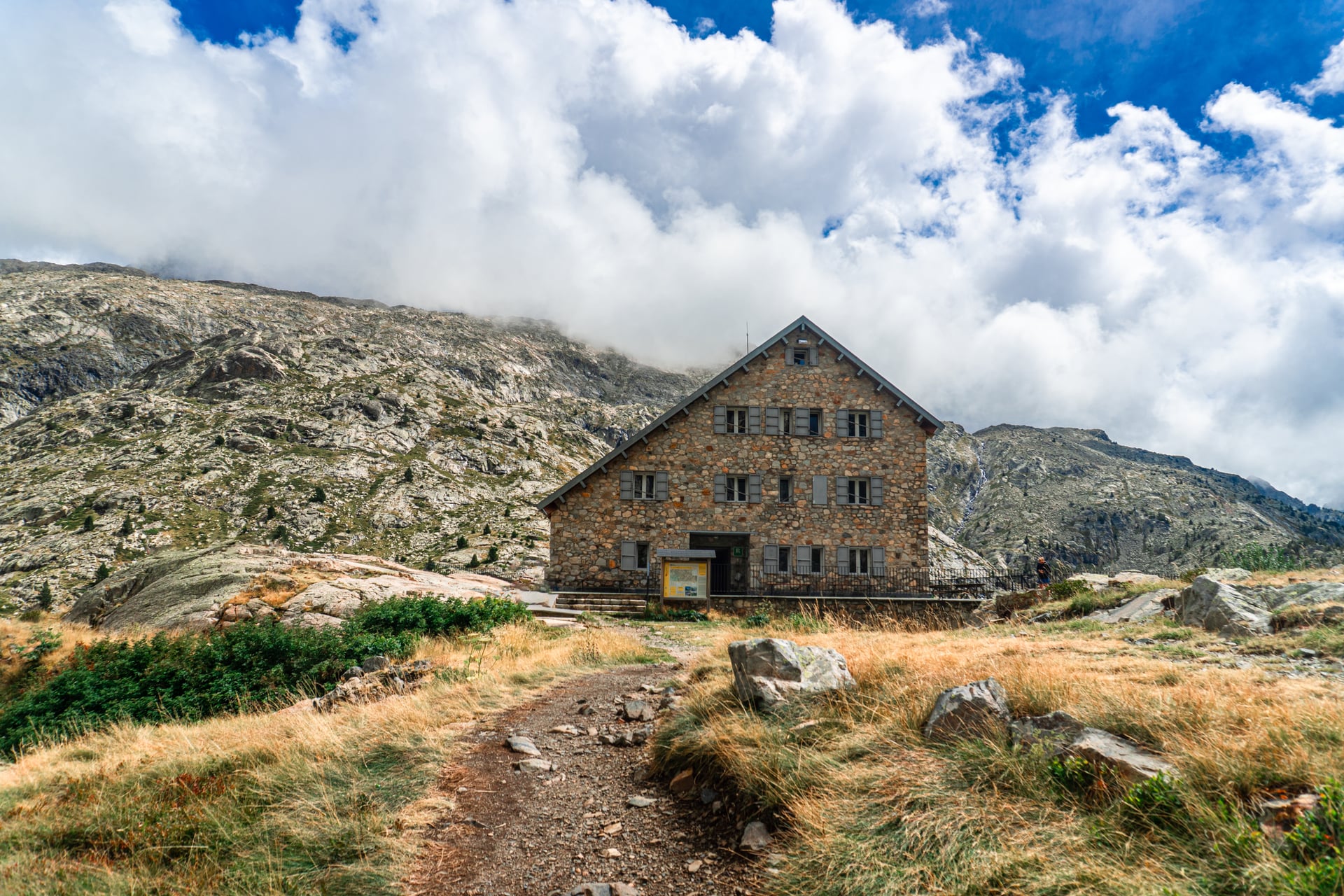
Key Spanish refuge areas include:
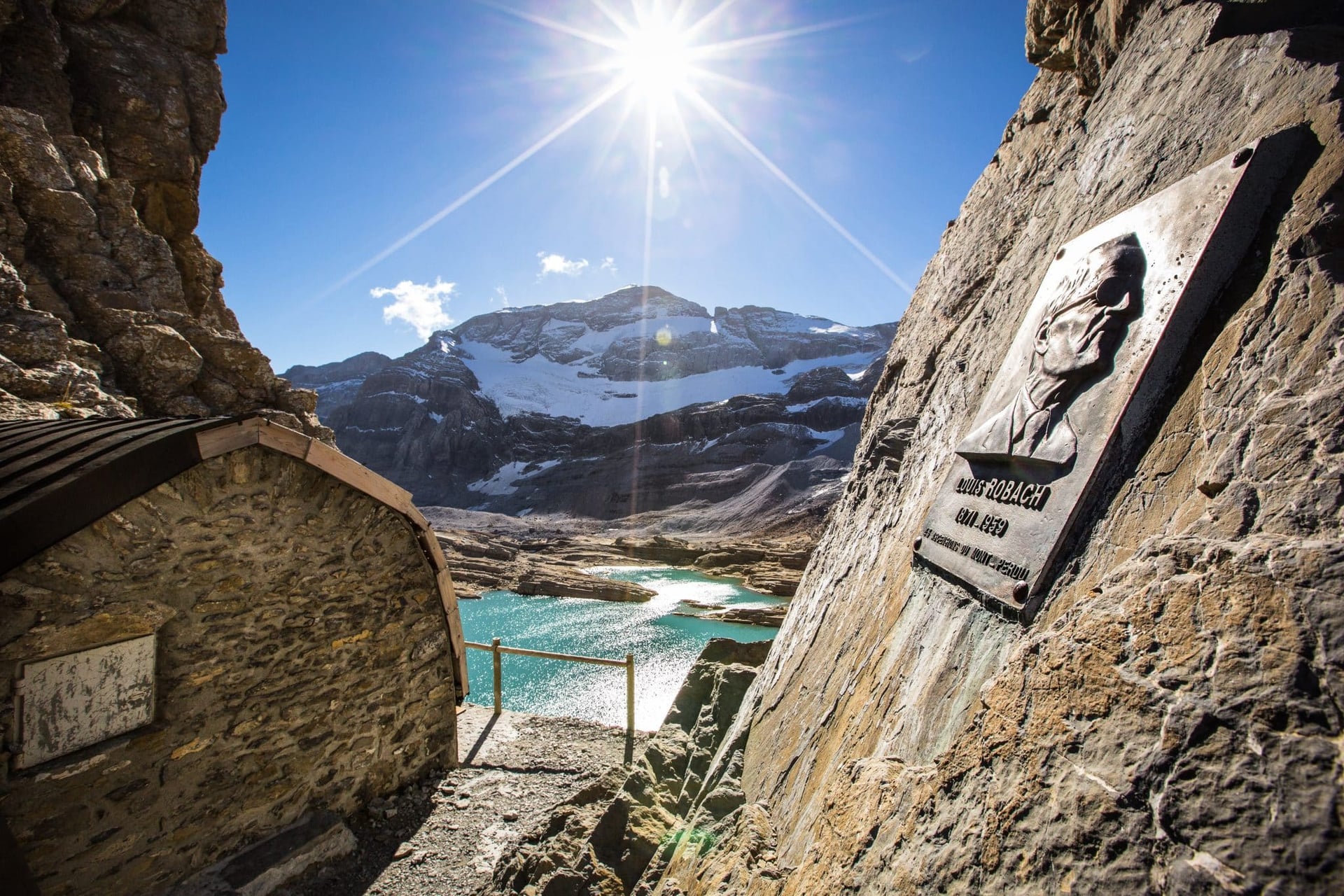
Ordesa y Monte Perdido (Góriz, Pineta)
Posets-Maladeta (Ángel Orús, La Renclusa, Estós)
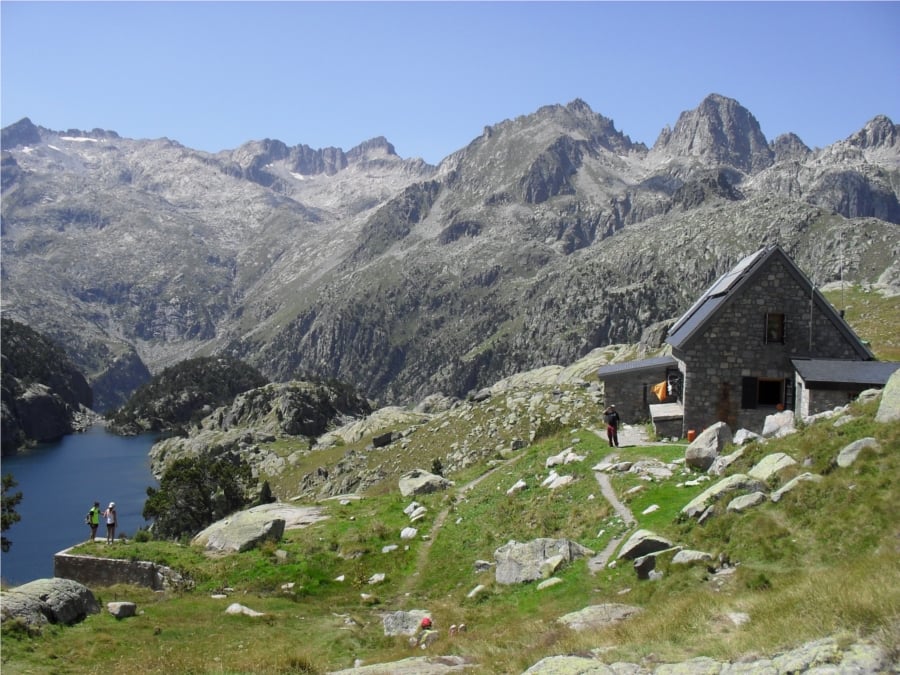
Aigüestortes (Estany Llong, Amitges, Ventosa i Calvell)
Val d'Aran (Colomèrs, Restanca)
Most Popular Spanish Refuges
Best Time to Hike the Pyrenees
The main refuge season runs from late June to late September, when most guarded huts are fully staffed and accessible. Snow typically melts from high passes by early July, though lingering patches can remain on north-facing slopes well into summer.
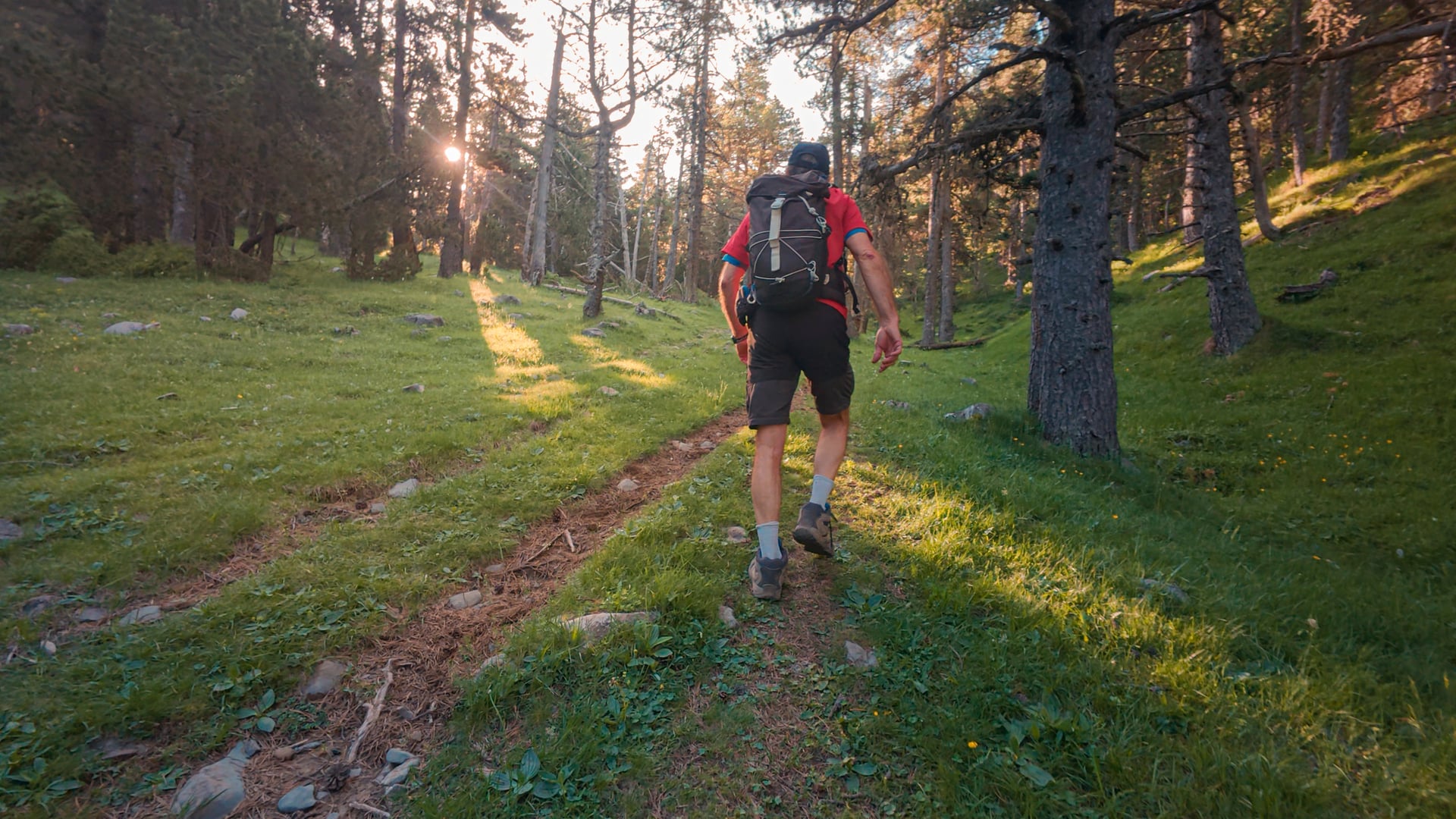
July and August bring peak crowds due to French school holidays, which run from early July through the end of August. Popular refuges like Ayous, Góriz, La Renclusa and those in Gavarnie can be fully booked weeks in advance. If you're planning to hike during this period, secure your refuge reservations as early as possible.
September offers an excellent alternative with cooler temperatures, quieter trails and crisp visibility that makes the mountain scenery even more dramatic. Many wardens consider September the best month in the Pyrenees—the crowds have dispersed but the weather remains stable and the refuges stay open.
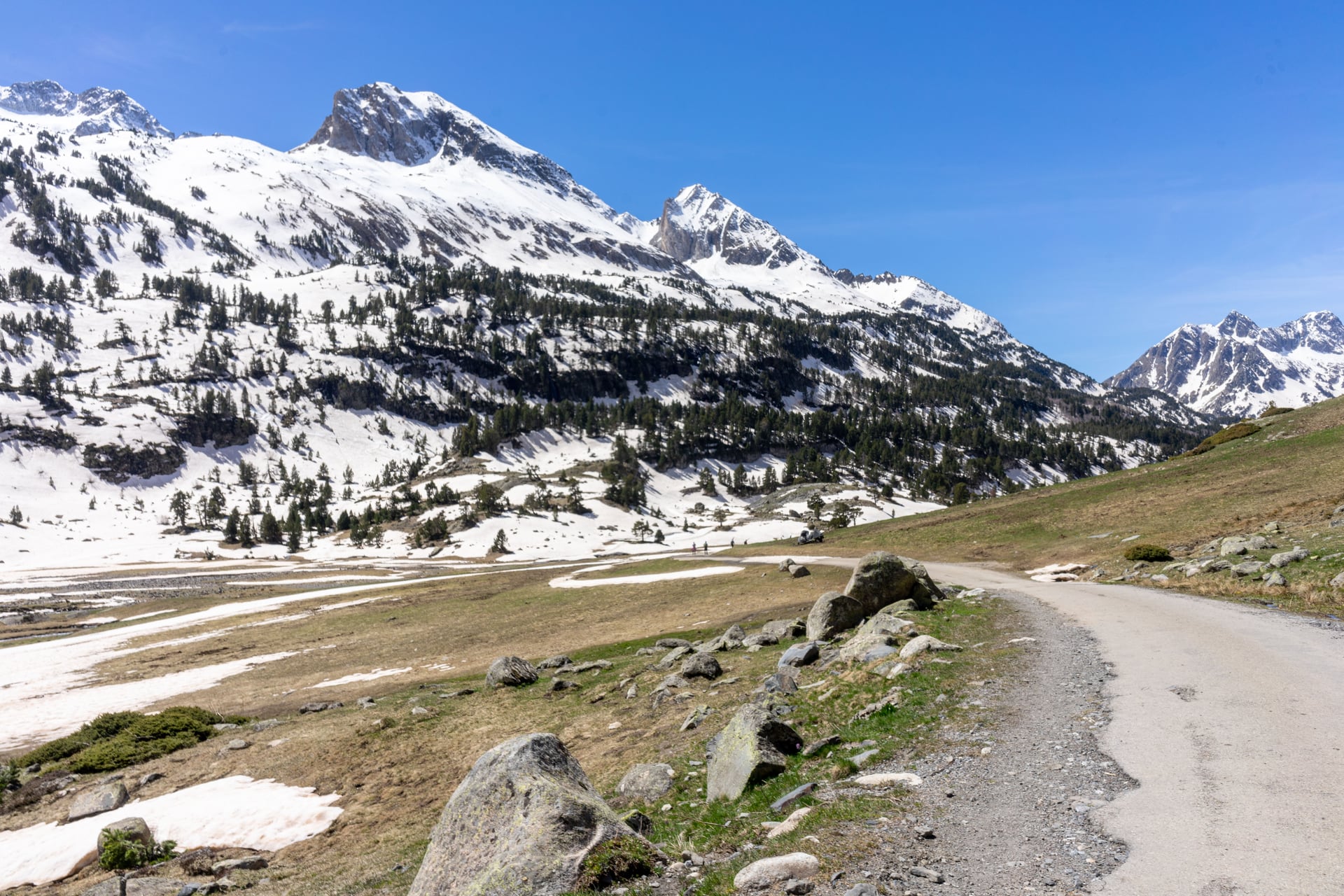
Shoulder seasons in late May and early October offer the quietest experiences, but snow may still cover high passes, some refuges remain closed, and weather becomes less predictable. These months suit experienced mountain trekkers comfortable with variable conditions.
How to Plan Your Hut-to-Hut Trek
Choosing Your Route
The beauty of the Pyrenees refuge network is its flexibility. You can design treks ranging from a single overnight to multi-week traverses, adjusting difficulty and distance to match your fitness and experience.
If you want a smoother start, we can help you select the ideal route and book the huts that fit your pace and comfort level.
Classic High-Mountain Circuits (3–5 Days)
These routes chain together multiple refuges in logical loops through areas like Néouvielle, Vignemale, Ordesa–Monte Perdido, or Aigüestortes. Classic circuits deliver authentic alpine experiences without requiring extreme fitness.
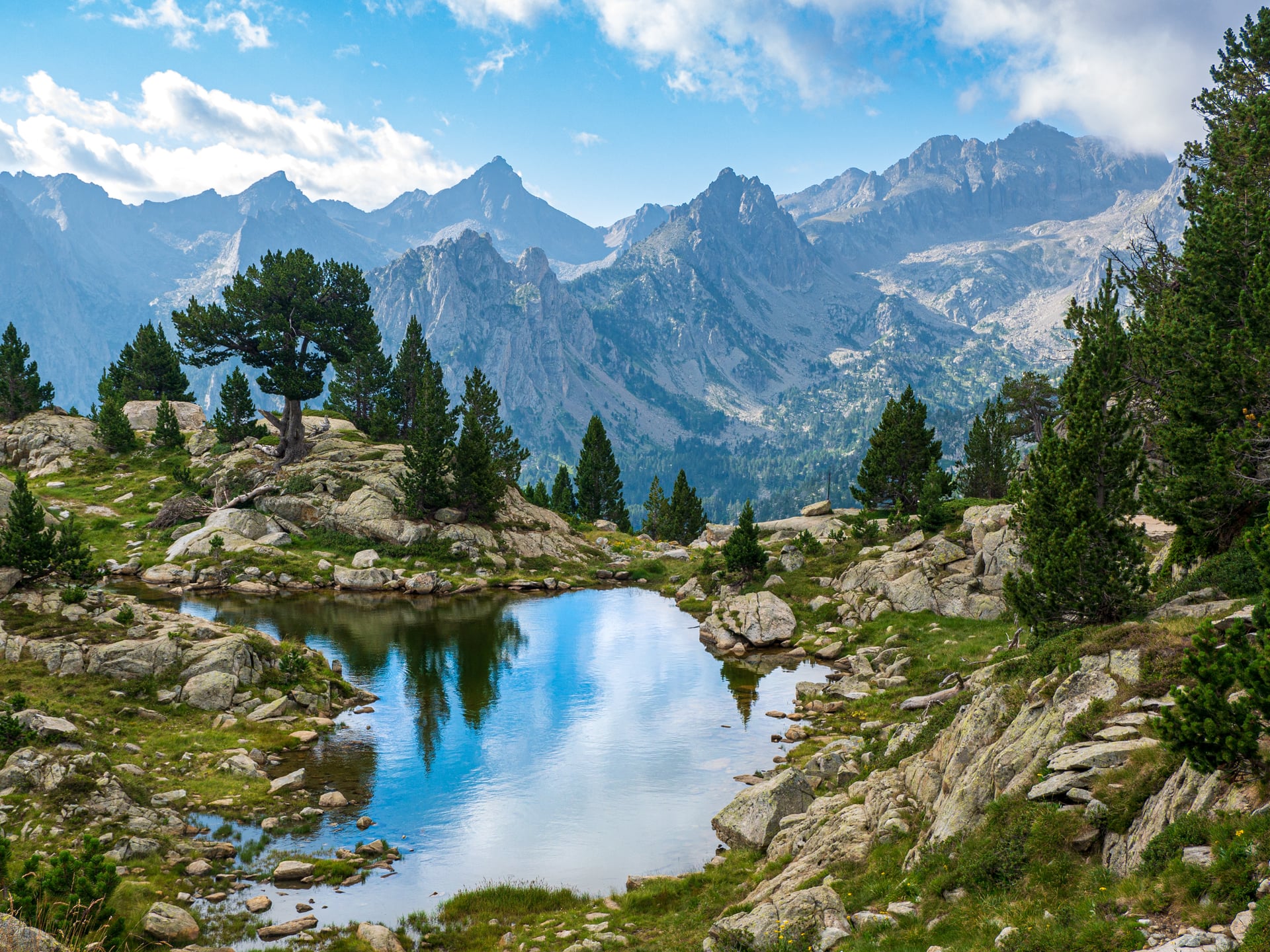
Among these options, the Carros de Foc in Aigüestortes stands out as the most popular and well-known circuit in the Pyrenees, attracting hikers from all over Europe. Popular options include:
Carros de Foc: A spectacular circuit linking 9 refuges around Aigüestortes National Park
Néouvielle circuit: Lac d'Oô → Bastan → Oule → return
Vignemale loop: Wallon-Marcadau → Oulettes de Gaube → Bayssellance → return
Family-Friendly Options (1–2 Nights)
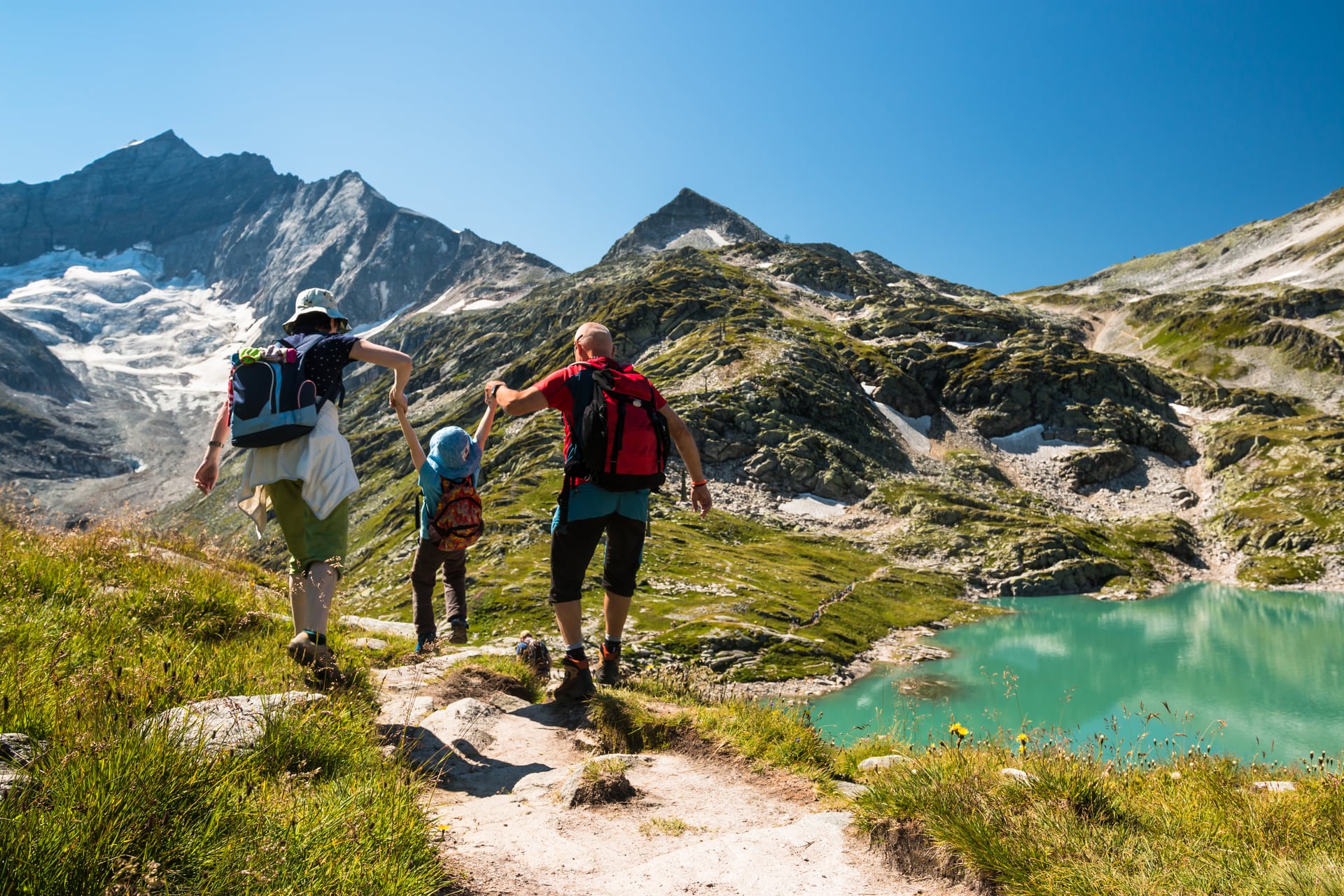
For families or less experienced hikers, consider easy-access refuges like Lac d'Oô, Ayous, or Wallon-Marcadau. These huts sit just 2–3 hours from valley roads and offer gentle lakeside walks, making them perfect for introducing children or nervous first-timers to refuge trekking.
Long-Distance Traverses (2–7 Weeks)
For serious trekkers, the Pyrenees offer three legendary long-distance routes:
GR10 (French side): 920km, 40–55 days
GR11 (Spanish side): Similar length and duration
HRP (High Route): The most challenging, following the border ridge
Not everyone has time for a full multi-week crossing, and many hikers prefer a shorter journey that still captures the best scenery. For those who want the highlights without committing to the entire GR10, we offer two carefully designed routes that cover its most beautiful stages.
These routes use refuges where available and supplement with bivouacs, cabanes (simple shelters) or valley accommodation elsewhere, creating ambitious multi-week journeys.
How Far Between Refuges
Most refuges are spaced 4–8 hours walking distance apart, which translates to roughly 12–20 kilometers depending on terrain and elevation gain. This spacing creates comfortable daily stages without requiring extreme fitness.
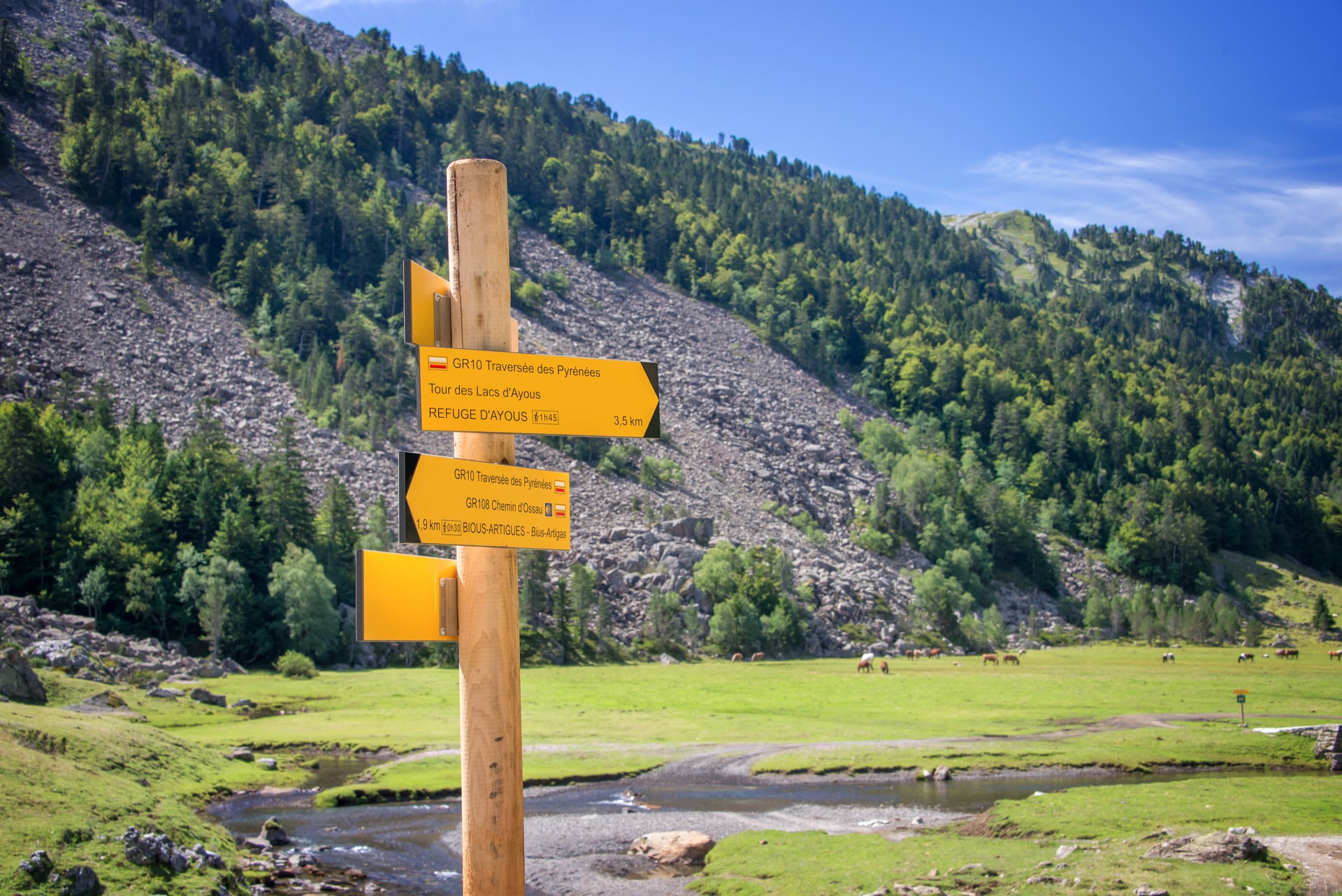
Good to know: Some sections of the HRP and remote GR10/GR11 segments have longer gaps between refuges, sometimes requiring 8–10 hour days or the use of bivouacs to bridge the distance. Always study your planned route carefully and have contingency plans for weather delays or slower-than-expected progress.
Prices and Payment
Typical Costs
Refuge stays can feel pricey at first, but it helps to remember what you’re paying for. All food, bedding and supplies must be transported to the hut by helicopter or mule, and operating in remote mountain terrain is costly.
The price reflects the logistics and the unique location, not just the bed itself.
Additional Costs
Packed lunch: €8–12
Beer or wine: €3–5
Soft drinks: €2–3
Shower tokens (where applicable): €2–5
Snacks and chocolate: €2–4
Payment Methods
Many refuges do not accept credit cards. Cash is essential.
France and Spain both use the Euro (€), making financial planning straightforward when crossing the border.
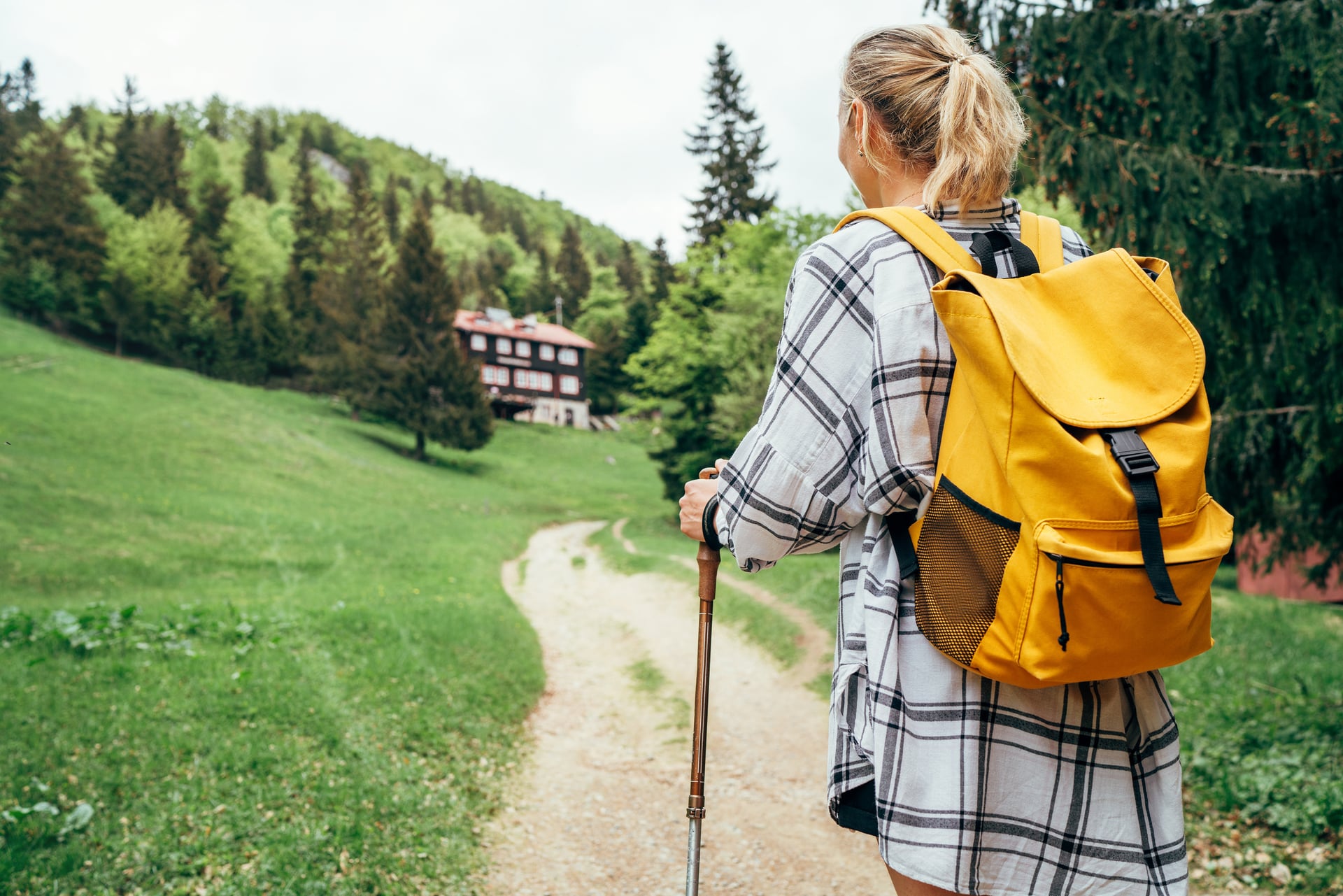
French refuges are less likely to have working card terminals, especially in high or remote locations where signal is unreliable. Even when a terminal exists, outages are common, so having enough cash for your stay is important.
Spanish refuges are more likely to accept cards, but even then, carrying €100–150 in cash is wise for your trek.
ATMs exist in valley towns like Cauterets, Gavarnie, Torla and Benasque, so withdraw before heading into the mountains.
What to Pack for Refuge Trekking
You only need to bring the essentials, since the huts provide meals, bedding and a place to sleep. With the right basics in your pack, travelling between refuges becomes comfortable and effortless.
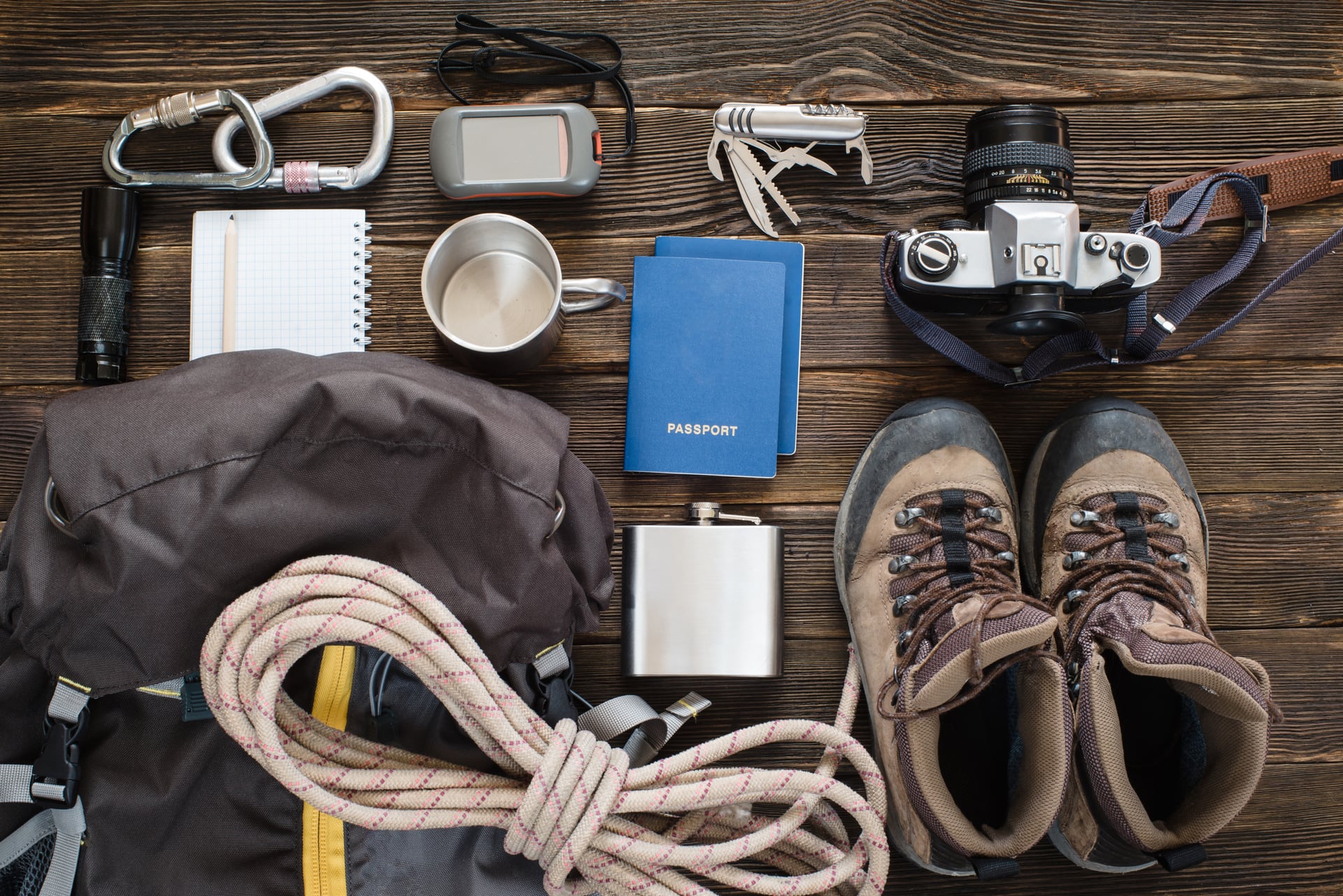
Essential Refuge Items
Sleeping sheet (sac à viande) – Mandatory in all refuges for hygiene
Light hut shoes or sandals – Boots stay in the boot room
Earplugs and eye mask – Dormitory life means snorers and early risers
Headlamp – Essential for night bathroom trips and early starts
Quick-dry towel – Small and lightweight
Basic wash kit – Soap, toothbrush, toothpaste (biodegradable soap preferred)
Warm layers – Fleece or down jacket for cold evenings at altitude
Cash – Many refuges don't accept cards
Water bottles (2L total capacity) – For the day's hiking
Hiking Essentials
Hiking boots – Waterproof and broken in
Trekking poles – Highly recommended for steep terrain
Waterproof jacket and pants – Weather changes quickly
Base layers and hiking clothes – Moisture-wicking fabrics
Sun protection – Hat, sunglasses, sunscreen (SPF 30+)
First aid kit – Blisters, pain relievers, personal medications
Map and compass/GPS – Even on marked trails
Phone and power bank – For emergencies and photos
Snacks – Energy bars, nuts, dried fruit for the trail
What NOT to Pack
Sleeping bag – The refuge provides bedding
Cooking gear – All meals are provided
Excessive clothing – You'll wear the same hiking outfit daily
Heavy toiletries – Keep it minimal
Valuables – Leave expensive jewelry at home
Practical Tips for Refuge Trekking
Emergency Numbers and Safety
Universal Emergency Number: 112
This number works throughout the European Union, including both French and Spanish Pyrenees. It connects you to emergency services, mountain rescue, medical assistance and police.
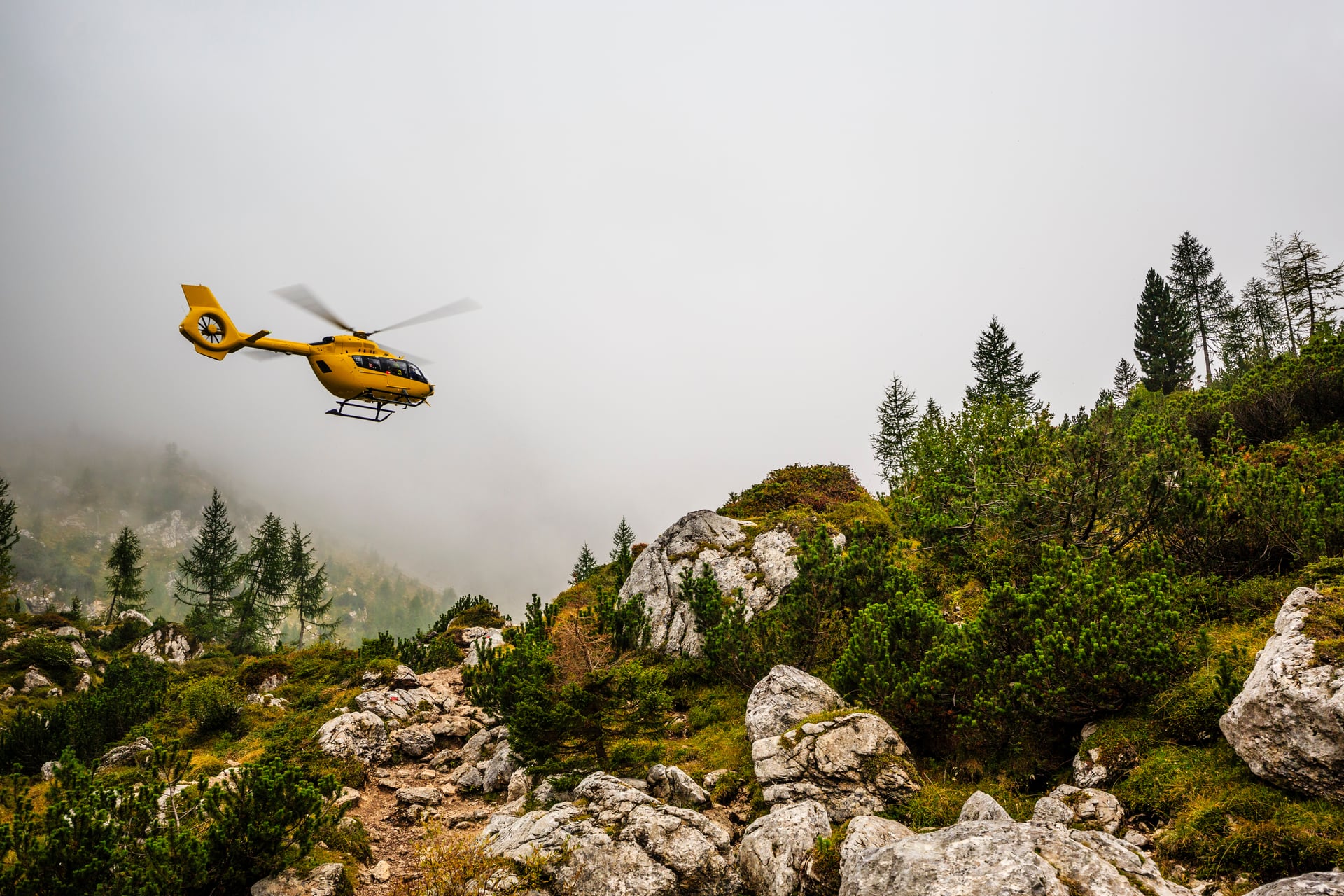
Mountain Rescue
France (PGHM): Reached via 112, specialized mountain rescue teams
Spain (Guardia Civil - GREIM): Also via 112, handles mountain emergencies
Safety Tips
Always inform the refuge warden of your next destination
Check weather forecasts before departing each morning
Carry extra layers, weather changes rapidly at altitude
Turn back if conditions deteriorate, refuges will always accommodate you another night
In emergencies, stay calm, call 112, provide your location (GPS coordinates if possible), and follow instructions
Mobile Phone Coverage
Coverage in the Pyrenees is patchy and unreliable. Valley towns have good signal, but once you climb above 1,800 meters, service becomes intermittent. Some high ridges catch signal, while deep valleys have none.
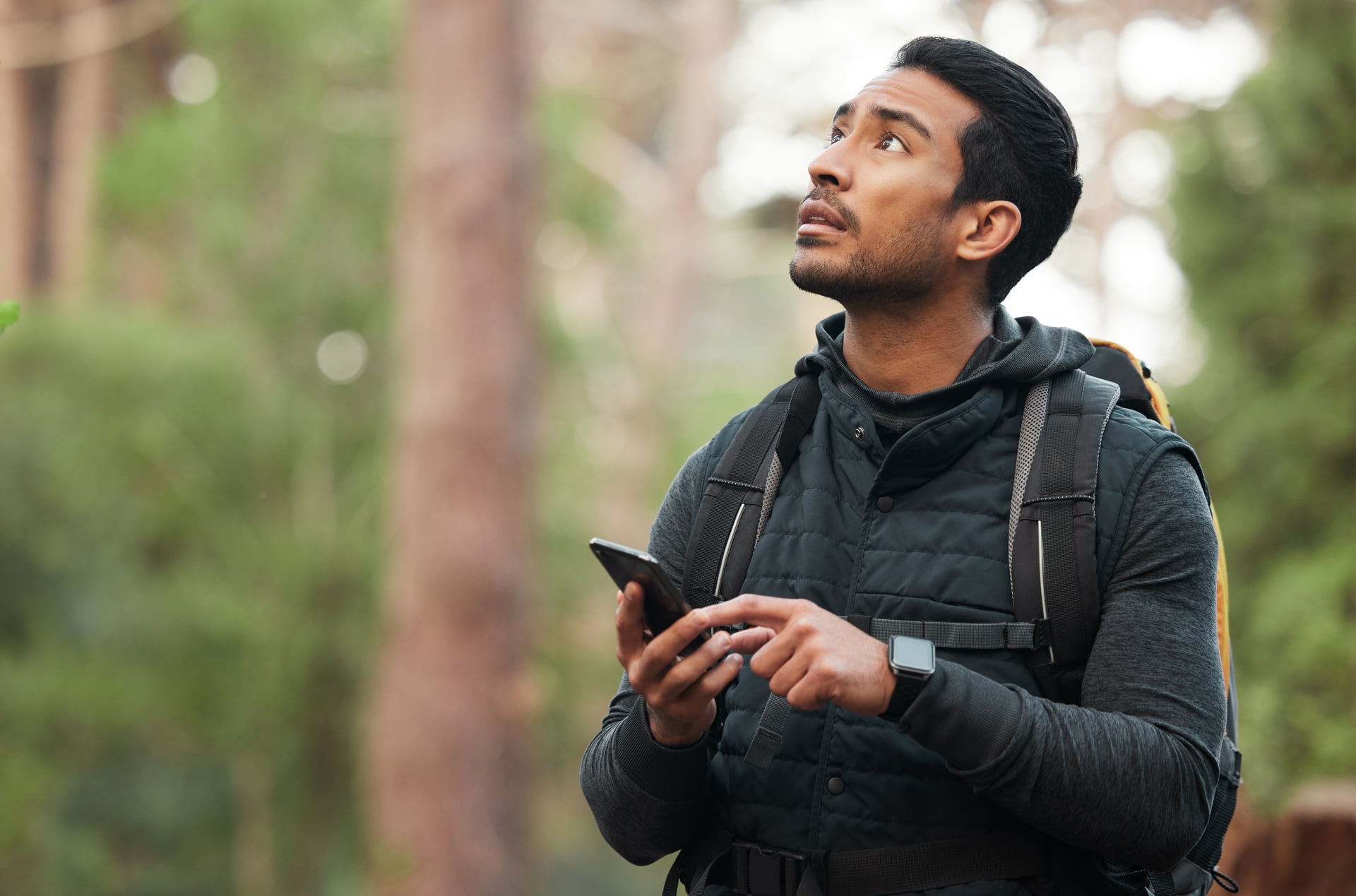
Never rely on your phone as your only safety tool. Carry physical maps, know your route, and inform others of your plans. Most refuges have emergency communication via radio or satellite phone if needed.
Refuge Etiquette
Following simple etiquette makes the experience better for everyone:
Do:
Remove boots at the entrance
Arrive between 3:00–6:00 PM when possible
Be on time for meals, wardens cook for everyone at once
Keep noise down after dinner
Hang wet clothes in designated areas
Thank the warden before leaving
Don't:
Wear boots inside
Arrive late without calling ahead
Leave trash in your bunk area
Use the shower for extended periods
Play loud music
Spread your gear across multiple bunks
Weather Considerations
Staying updated with the weather is essential in the Pyrenees, and the best forecasts come from local mountain services rather than general apps.
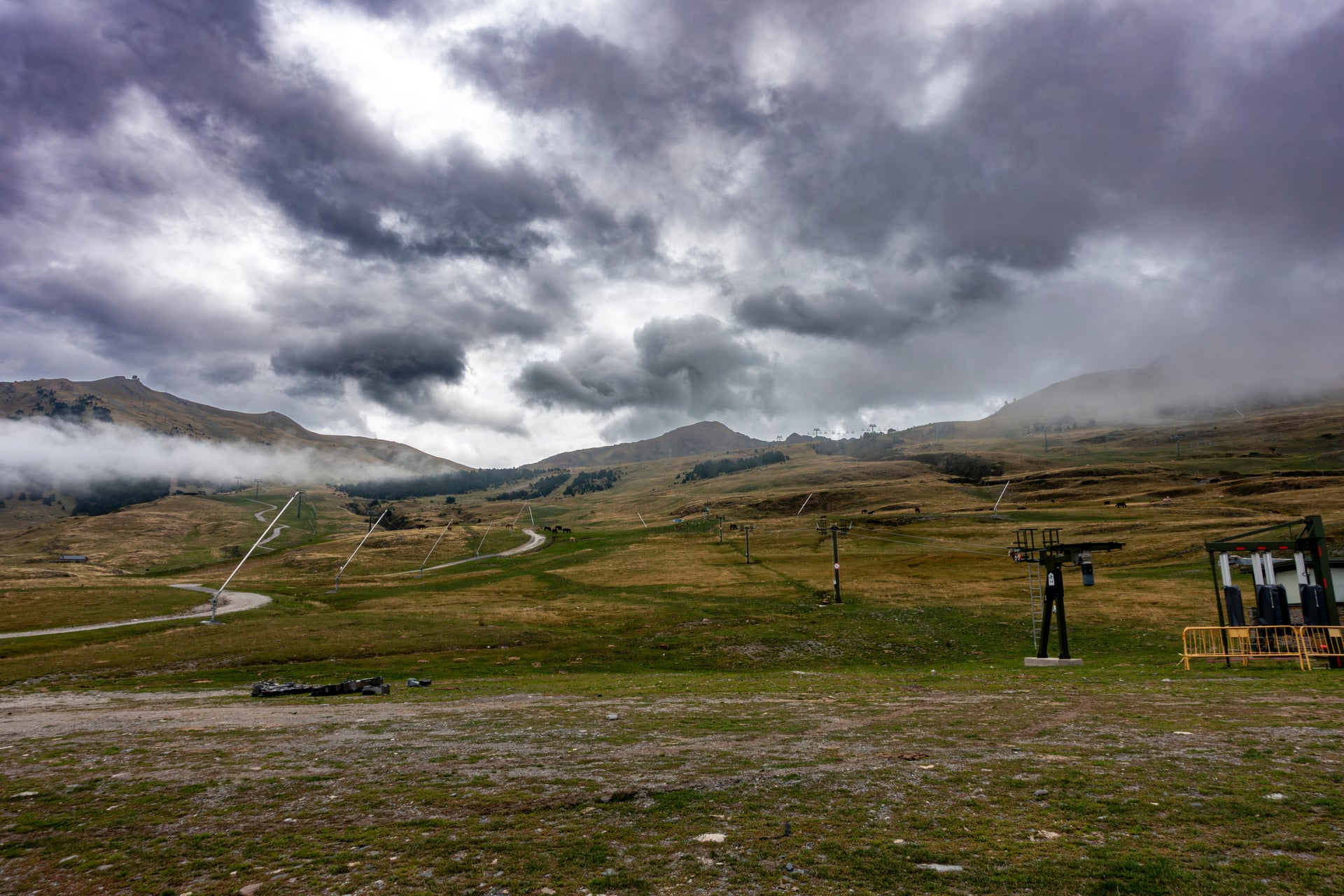
The most reliable sources are
Check Forecasts Daily
Wardens receive updated weather forecasts via radio and can advise you each morning. Take their advice seriously, they know the local conditions far better than any app.
Thunderstorms are common in the Pyrenees, especially July–August. They typically build after midday and peak in late afternoon. This is why early starts (7:00–8:00 AM) are standard practice, allowing you to complete high passes before weather deteriorates.
Health and Fitness
Altitude
Most Pyrenees refuges sit below 2,500 meters, so altitude sickness is rare. However, if you're coming from sea level and immediately climbing to 2,200+ meters, take the first day slowly. Drink plenty of water, avoid alcohol the first night, and let your body adjust.
Fitness Requirements
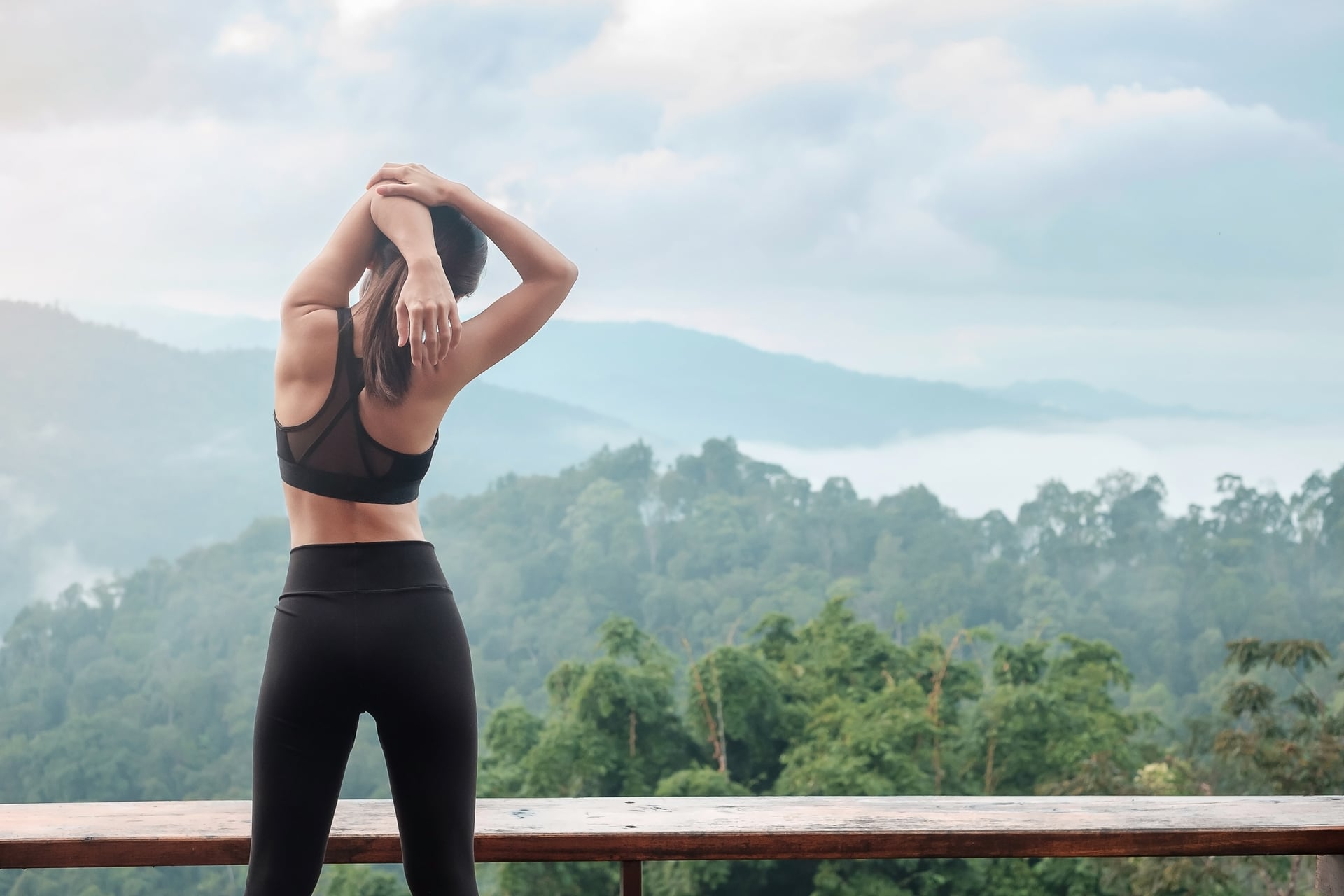
Hut-to-hut trekking requires good general fitness but not elite athleticism. If you can hike 5–7 hours with 800–1,200 meters of elevation gain while carrying a 7–10kg pack, you'll manage most refuge routes comfortably.
Train before your trip with regular hiking, walking or stair climbing. The stronger you arrive, the more you'll enjoy the experience.
Blisters and Foot Care
Blisters are the most common hiking ailment. Prevent them by:
Breaking in boots thoroughly before your trek
Wearing moisture-wicking socks (avoid cotton)
Applying preventive tape or Compeed to hot spots
Keeping toenails trimmed
Changing into dry socks at the refuge
Useful French and Spanish Phrases for Refuges
French Phrases
Bonjour (bon-ZHOOR) – Hello
Bonsoir (bon-SWAHR) – Good evening
Merci beaucoup (mehr-see boh-KOO) – Thank you very much
S'il vous plaît (seel voo PLEH) – Please
J'ai réservé (zhay reh-zehr-VAY) – I have a reservation
Une demi-pension (oon duh-mee pahn-SYOHN) – Half-board (dinner, bed, breakfast)
Un panier-repas (uhn pahn-YAY ruh-PAH) – Packed lunch
Où sont les toilettes? (oo sohn lay twah-LET) – Where are the toilets?
Quel temps fera-t-il demain? (kel tahn fuh-rah-TEEL duh-MAN) – What will the weather be tomorrow?
C'était délicieux (seh-TAY day-lee-SYUH) – It was delicious
Spanish Phrases
Hola (OH-lah) – Hello
Buenas tardes (BWEH-nas TAR-des) – Good afternoon
Gracias (GRAH-thee-ahs) – Thank you
Por favor (por fah-VOR) – Please
Tengo una reserva (TEN-go OO-nah reh-SEHR-vah) – I have a reservation
Media pensión (MEH-dee-ah pen-SYOHN) – Half-board
Un bocadillo para mañana (oon boh-kah-DEE-yoh PAH-rah mah-NYAH-nah) – A packed lunch for tomorrow
¿Dónde está el baño? (DOHN-deh es-TAH el BAH-nyo) – Where is the bathroom?
¿Qué tiempo hará mañana? (keh tee-EM-poh ah-RAH mah-NYAH-nah) – What will the weather be tomorrow?
Estaba muy bueno (es-TAH-bah mwee BWEH-noh) – It was very good
Bivouacs and Camping in the Pyrenees
Camping and bivouacking are also popular options in the Pyrenees, especially for hikers who enjoy spending a night outdoors between hut stays. Many people mix one-night bivouacs with refuge nights, creating a flexible and affordable way to experience the mountains.
1. Bivouacking
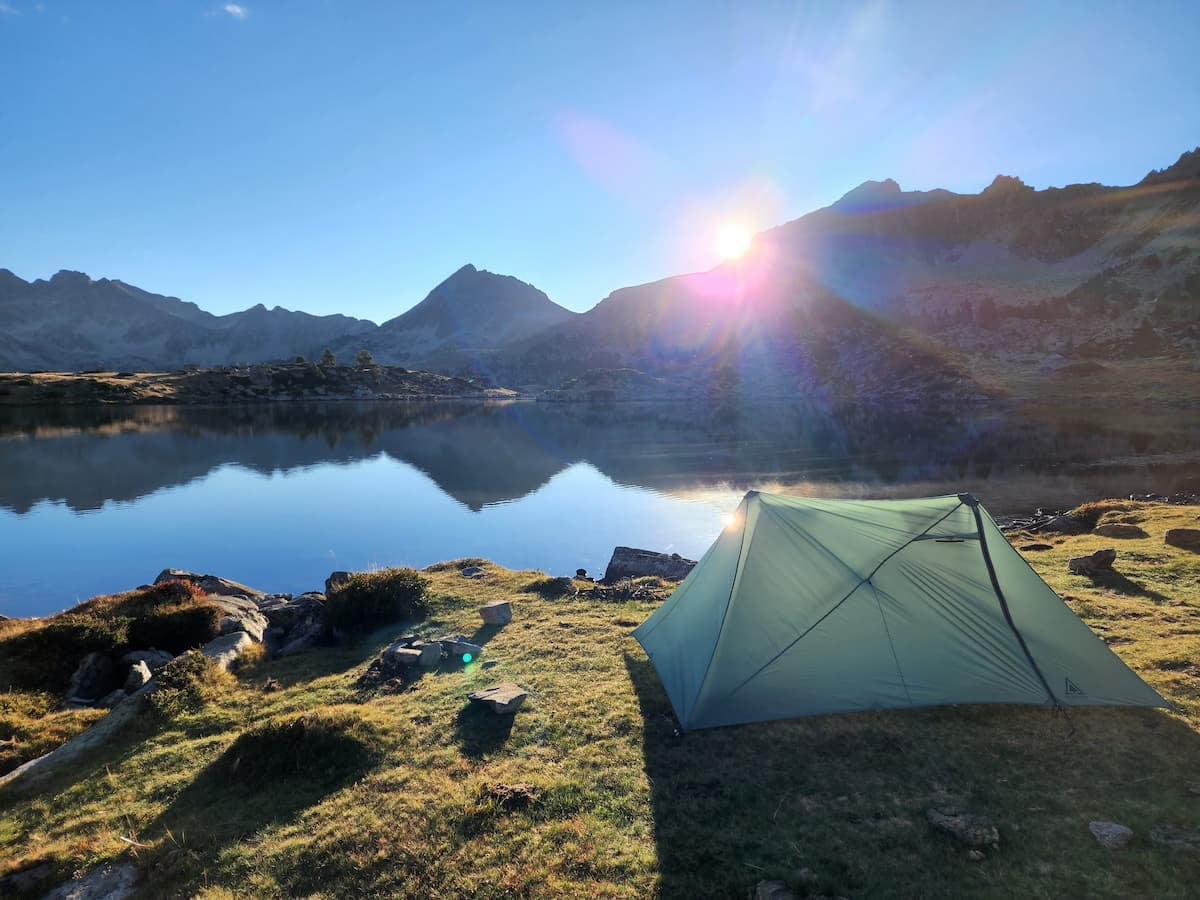
A bivouac in the Pyrenees usually means pitching a small tent high in the mountains, arriving late and leaving early. Most national parks and protected areas allow this type of minimalist overnight stay, especially above certain altitudes (typically 1,800–2,100 meters depending on the region).
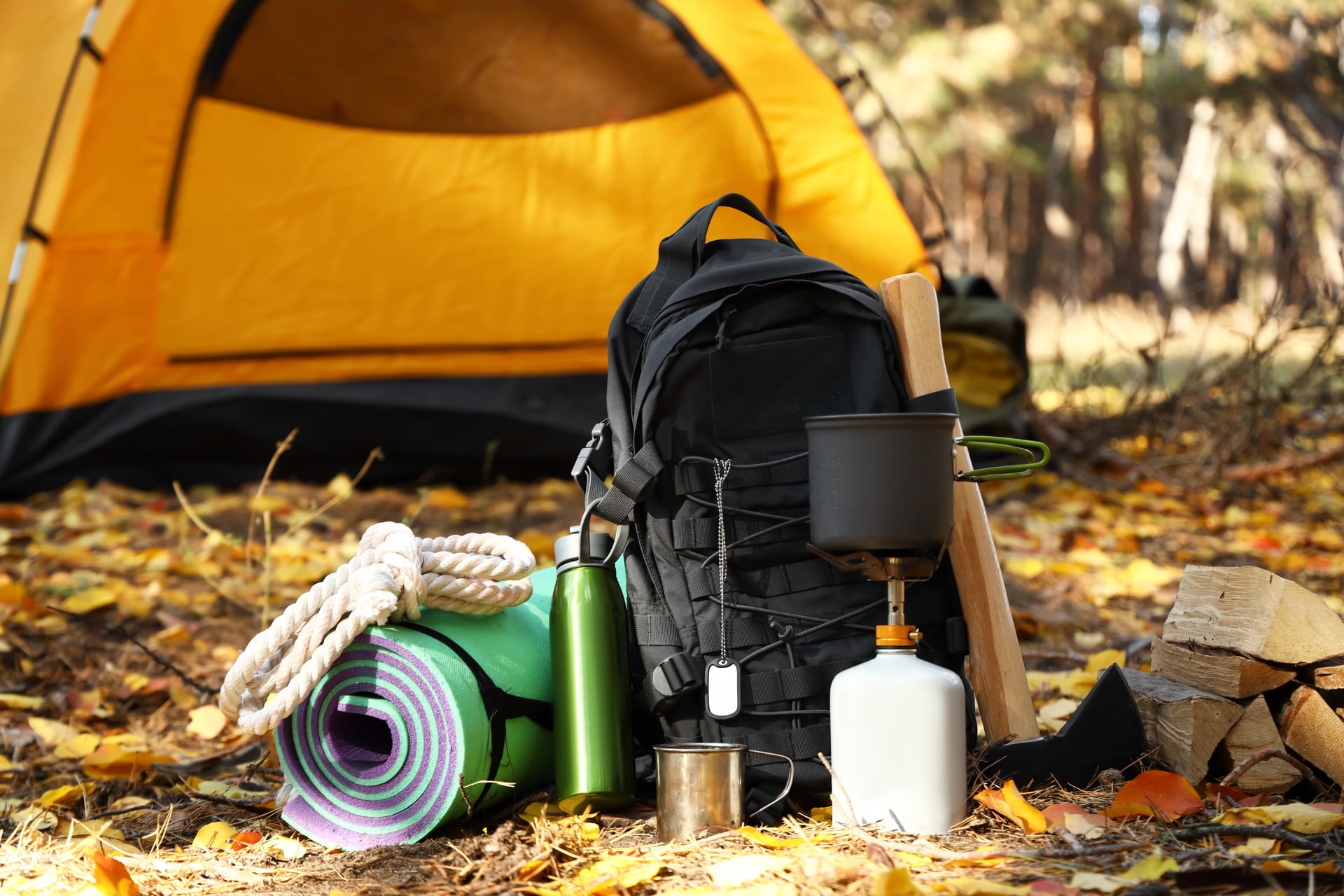
Bivouacking is not classic camping, it's a one-night pause that lets you wake up in the heart of the landscape. Many HRP hikers rely on bivouacs to bridge long distances between refuges or to sleep near quiet lakes and passes where no hut exists.
Bivouac Regulations by Region
French Pyrenees National Park: Bivouacking allowed above treeline from 7:00 PM to 9:00 AM
Spanish National Parks (Ordesa, Aigüestortes): Bivouacking permitted above 2,100–2,300m, sunset to sunrise only
Ariège and other areas: Generally permitted with discretion, but check local regulations
Bivouac Guidelines
Pitch late (after 7:00 PM) and leave early (before 9:00 AM)
Stay on durable ground, avoid fragile vegetation
Camp at least 50 meters from lakes and streams
Bring trash back with you, leave absolutely no trace
No fires, use a camping stove only
In bad weather, refuges will always accept you even without a reservation
2. Wild Camping
True wild camping with multi-night setups, chairs or larger tents is heavily restricted in protected areas. The spirit of regulations is simple: keep it light, keep it brief, and leave no trace.
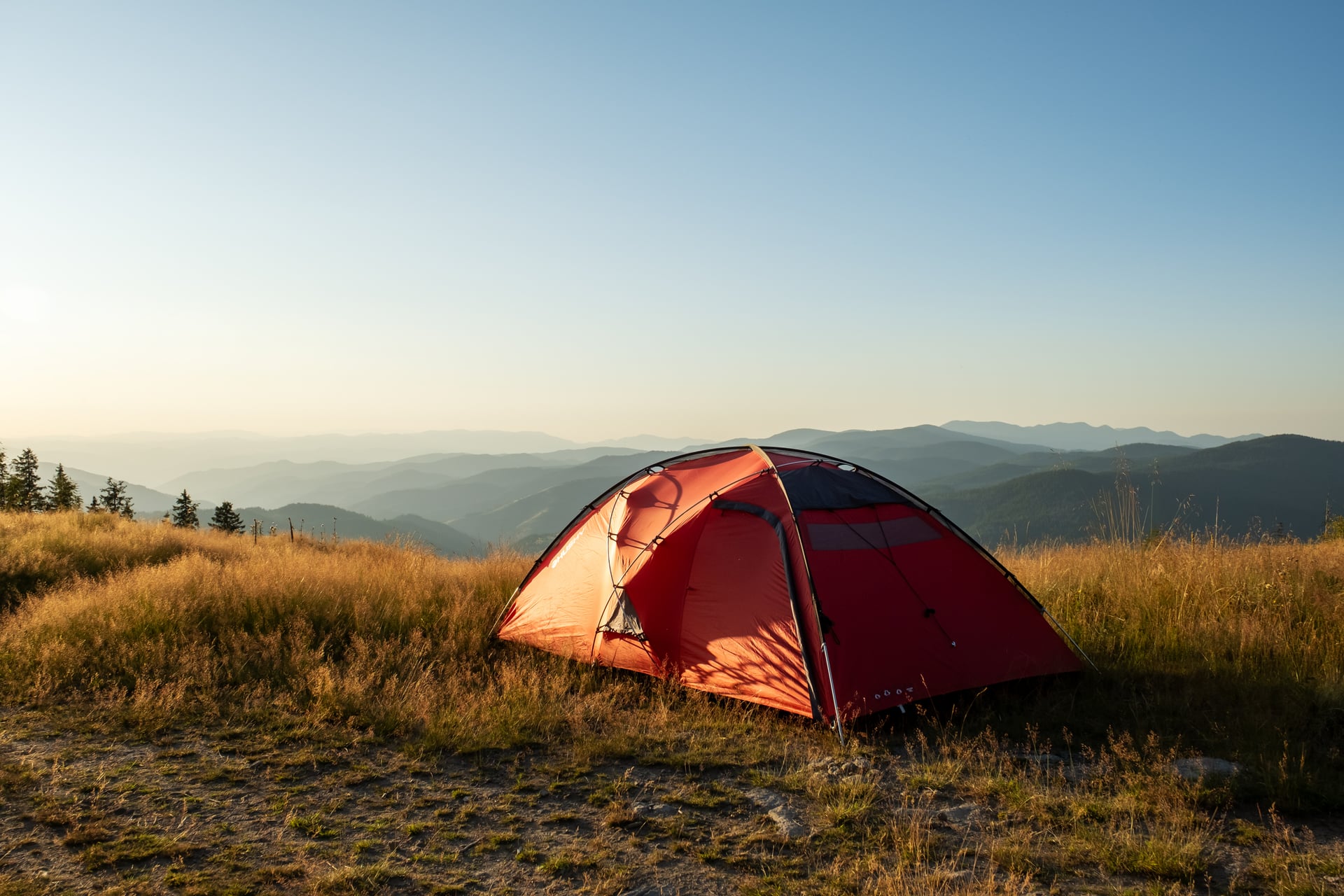
Different regions, French, Spanish, Catalan and Andorran have their own specific rules. However, if you think in terms of "quick overnight shelter" rather than "a campsite," you'll almost always be on the right side of local expectations.
3. Valley Campsites
Down in the valleys, life is easier. The Pyrenees valleys have dozens of official campsites with showers, small shops, cafés and grassy pitches framed by peaks. They make an ideal base for families or for hikers planning day trips without carrying heavy packs.
Many people spend the night before a hut-to-hut trek in a valley campsite, sorting gear and easing into mountain rhythm. Popular campsite locations include:
Cauterets (access to Vignemale area)
Gavarnie (access to cirque and GR10)
Torla (access to Ordesa)
Benasque (access to Posets-Maladeta)
Espot (access to Aigüestortes)
4. Gîtes, Hostels and Small Hotels
Between the high mountains and deep valleys sits a third layer of accommodation: gîtes d’étape, small hostels and family-run hotels. These places are far more comfortable than refuges and often offer private rooms, hot showers and hearty meals.
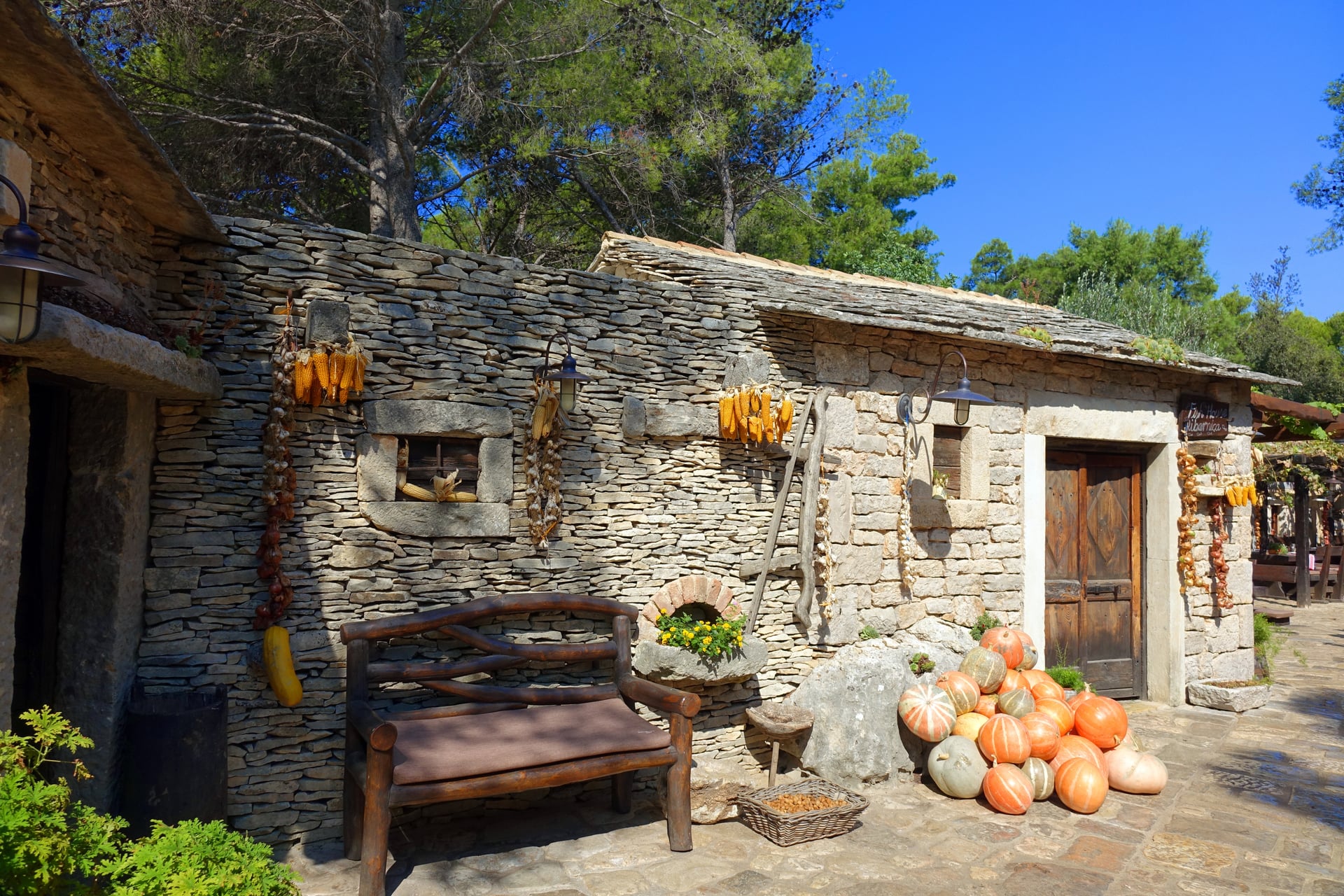
Staying in a gîte also puts you close to shops, bakeries and gear stores, making it easy to resupply or take a rest day. They are usually the best choice for the night before starting a trek or the night after finishing one.
What to Except in a Gîte
Smaller than refuges (10–30 beds)
Located in villages with shops, bakeries, restaurants
Showers and washing machines usually available
More privacy, often smaller rooms or even private options
Easier to rest and recover than in high-mountain refuges
Whether you're discovering the Pyrenees for the first time or returning to favorite peaks and passes, take time to absorb each refuge's character. Chat with the wardens, who often hold deep knowledge of local conditions and stories. Share meals with fellow hikers from across Europe. Watch the light shift across distant summits as you sip evening tea on a stone terrace.
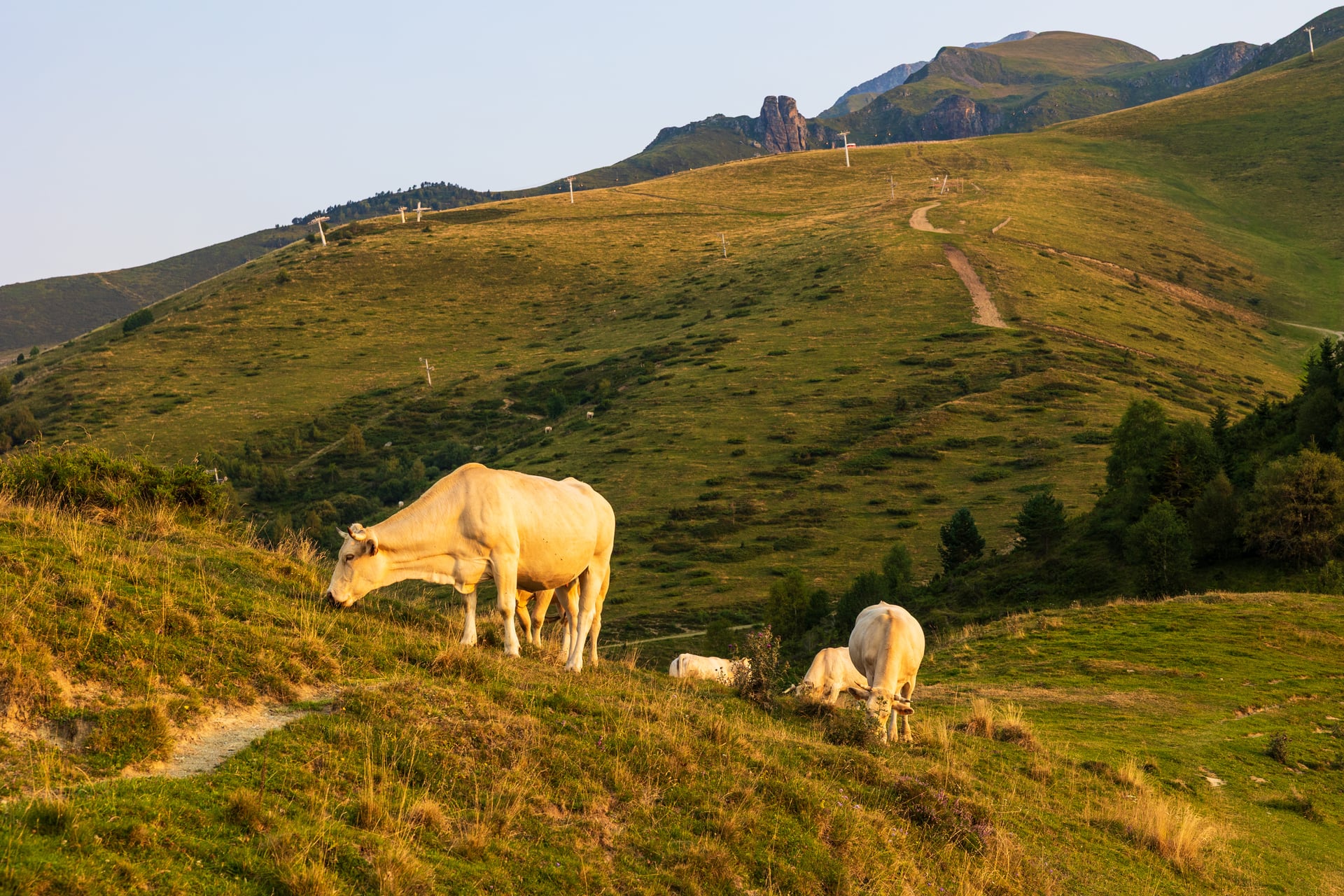
When you return to the valley, you carry more than just photos of dramatic cliffs and high passes. You leave with a connection to these ancient mountains and to the people who walk them. And if you prefer a smoother, stress-free experience, we can help shape it for you. Our team selects the most comfortable huts and hotels, arranges all bookings on your behalf, and guides you toward the best routes for your ability and timing.
Included in every tour:
Digital guidebook with itinerary,
Route instructions, and practical information
GPS navigation with an easy-to-use app
Tour design and organization
Service and support during your hike
Still deciding where to go? Send us an inquiry, we’ll help you choose the best self-guided or guided tour based on your preferences, fitness level, and travel style.



Plan with a hiking expert
Free advice from a team that knows these routes inside out - real people, not a bot

HASSLE-FREE
We handle itineraries, accommodations, and anything else you prefer not to deal with, so you can enjoy a carefree hike.

BOOK WITH CONFIDENCE
We are a financially protected company, fully bonded and insured, keeping your money safe and allowing you to travel with confidence.

TRIED & TESTED ADVENTURES
Only the best hut to hut hikes in Europe, cherry-picked by our local team with an in-depth knowledge of the region.

UNBEATABLE SUPPORT
Our 24/7 customer support is where we show our passion, bringing you a better experience by making your well-being our number one priority.
.jpg&w=1920&q=85)