Ultimate Guide to GR10 Hiking
A complete GR10 guide, covering the iconic French Pyrenees trail that runs from the Atlantic to the Mediterranean across diverse mountain landscapes.
Quick links
Don't want to read all this?
We've planned 2,000+ hiking trips. Send your dates, fitness and group size — we'll map the route and book every night.



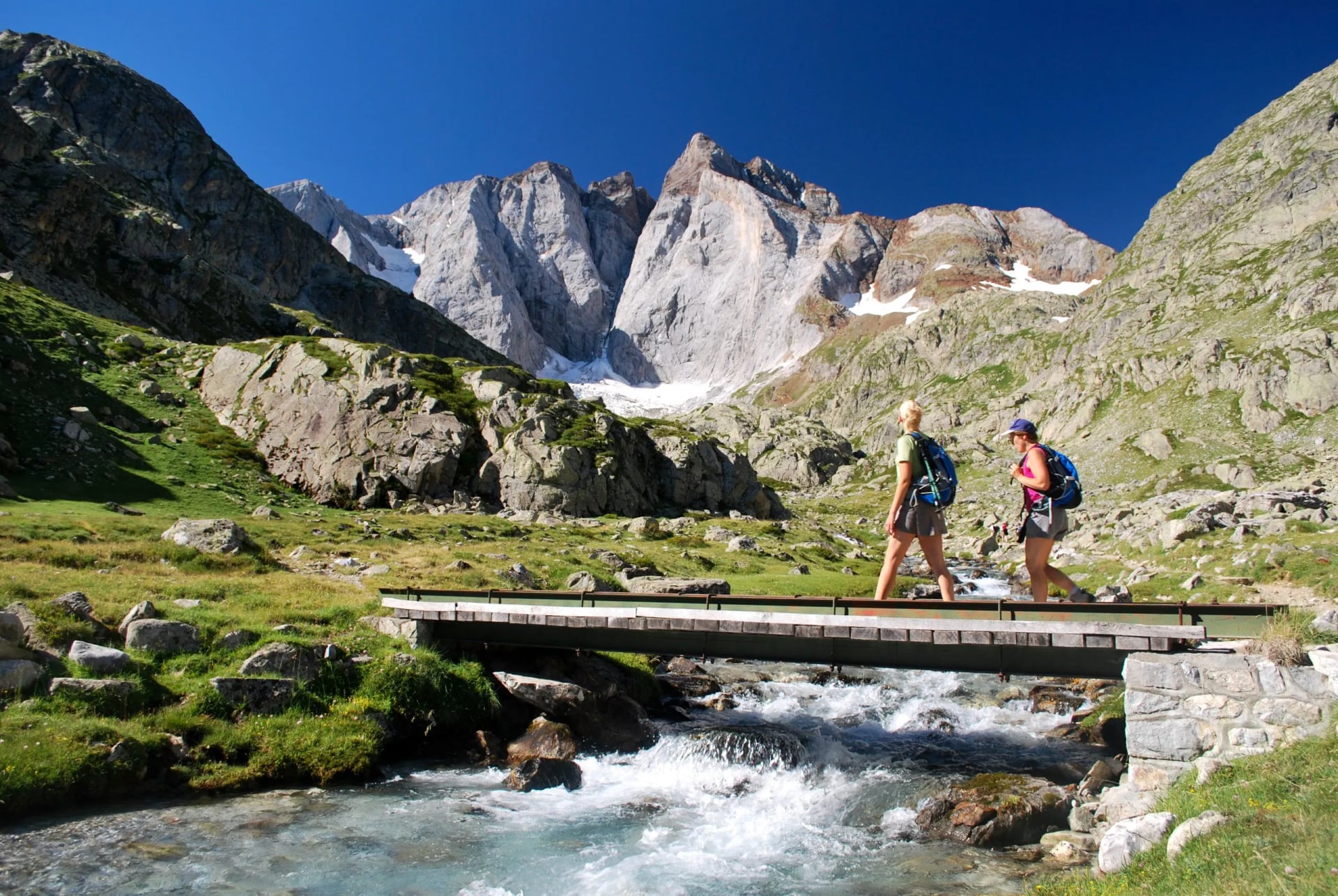
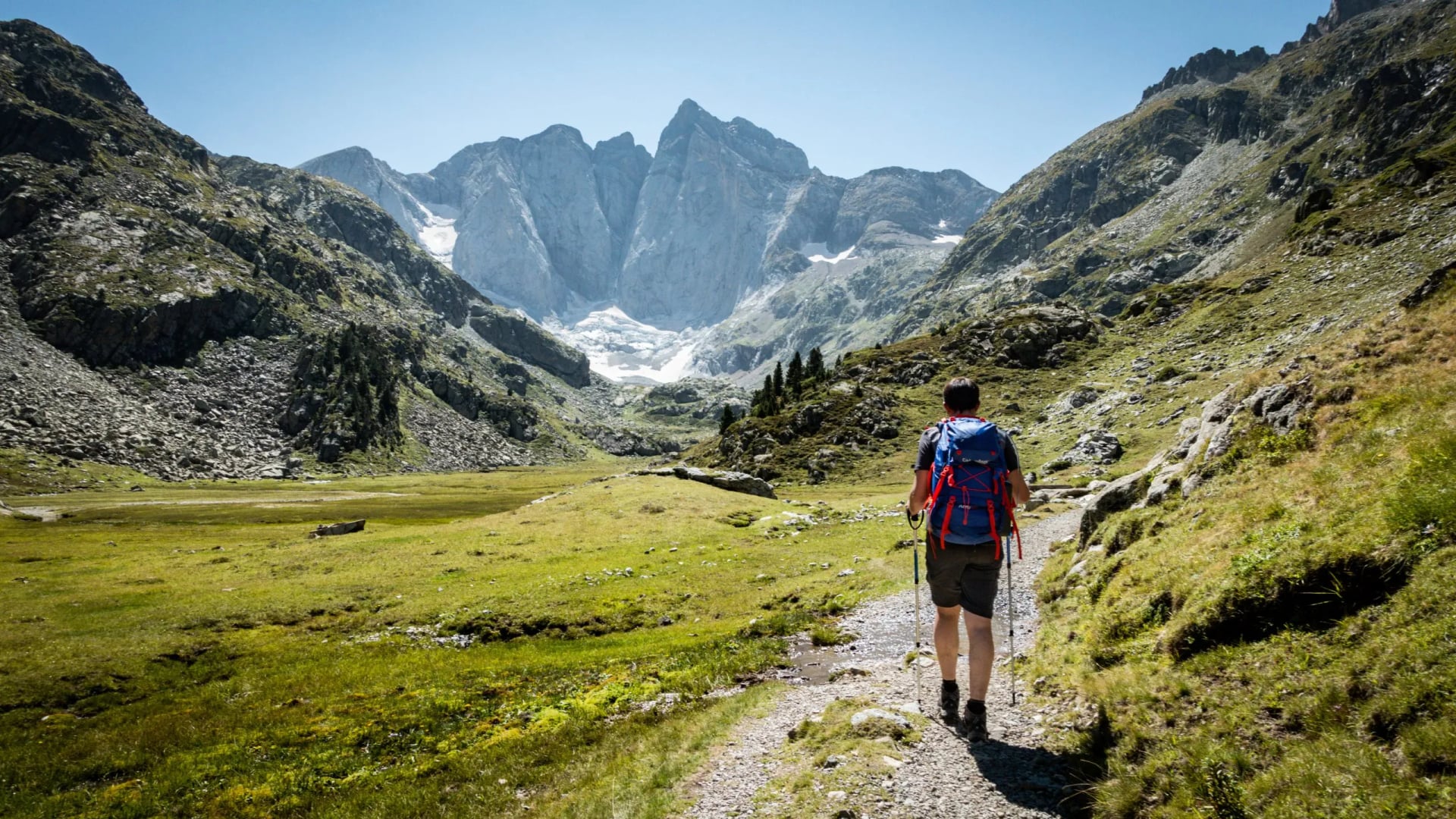
The GR10 is one of the great mountain journeys of Europe, a coast-to-coast trail that takes you from the Atlantic to the Mediterranean across the entire French Pyrenees. Instead of sticking to the highest ridge, it rises and falls through valleys, villages and remote mountain passes, creating a route that feels physical, immersive and constantly changing.
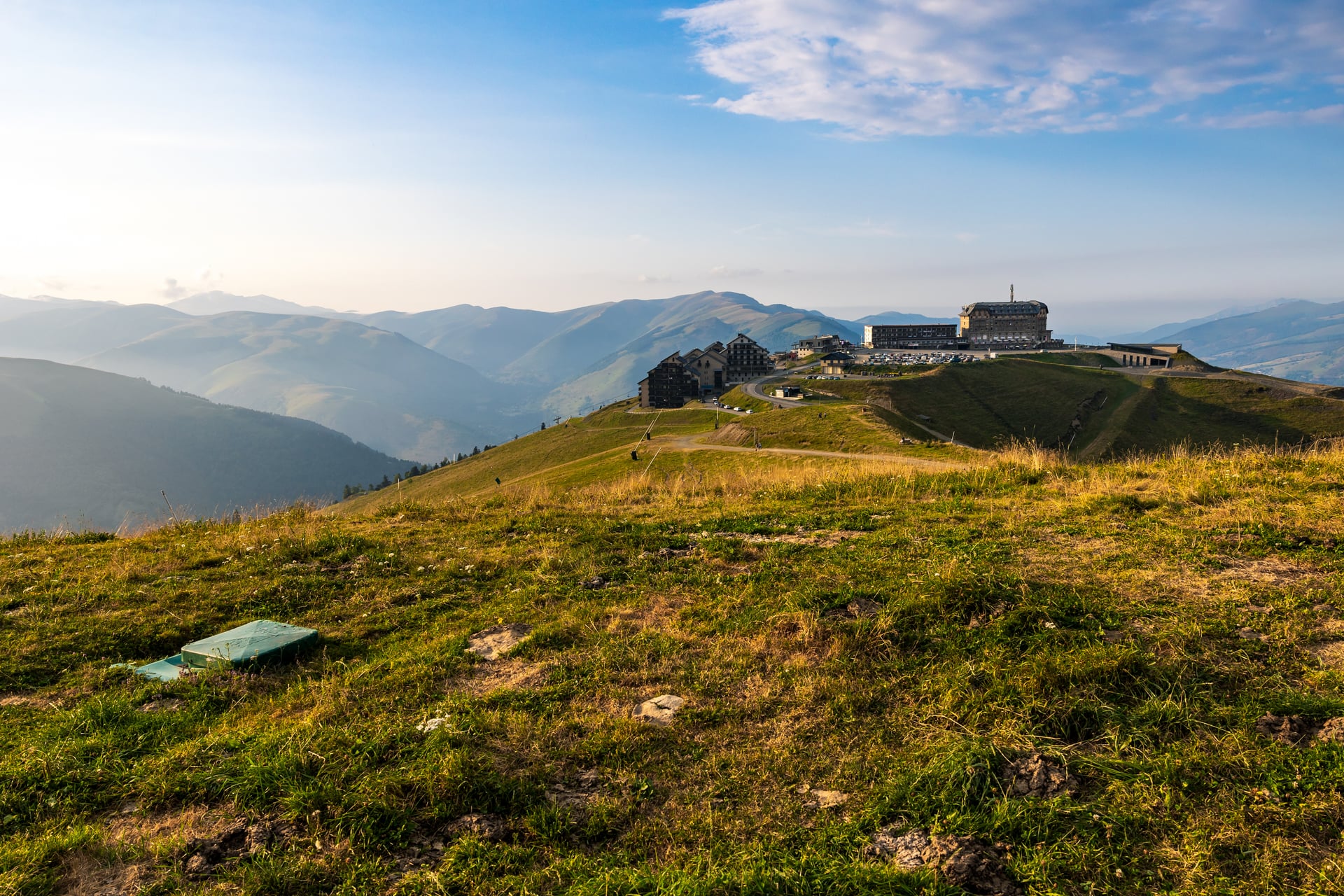
What makes the GR10 so special is the sheer variety packed into the walk. One week you’re crossing Basque farm country and deep green forests; the next you’re climbing into granite cirques, wandering past high lakes or descending into quiet shepherd valleys. Unlike many long-distance trails, the GR10 links more than 40 small towns and hamlets, giving you regular access to food, beds and glimpses of local life along the way.
It’s a demanding adventure, with more than 50,000 metres of total ascent, but the effort is rewarded every day with new scenery, new terrain and a strong sense of moving across an entire mountain range.
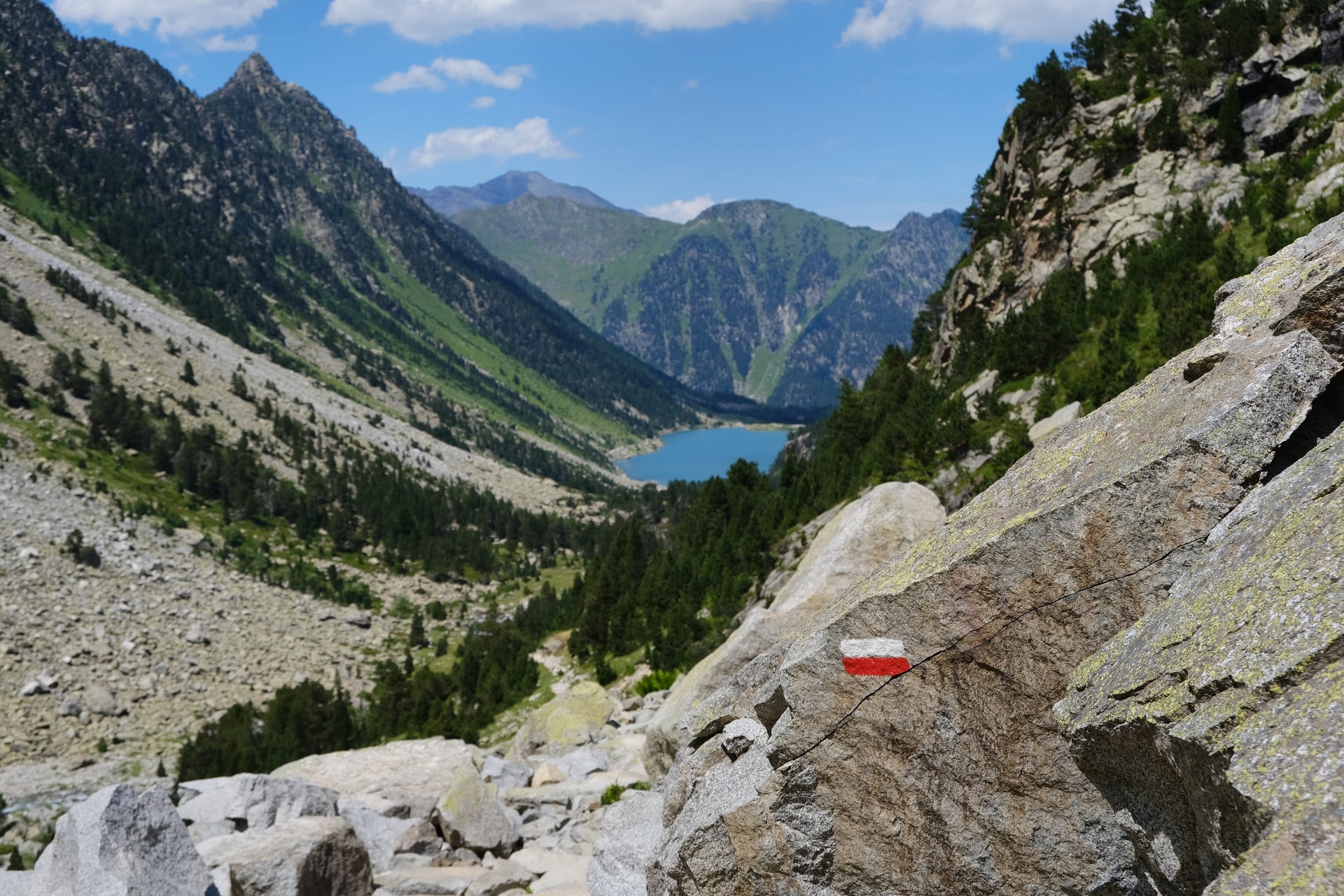
For hikers who want a long, rewarding journey with real cultural flavour, diverse landscapes and a clear path to follow from ocean to sea, the GR10 is one of the most memorable trails in the Pyrenees.
About GR10 Hike
🚩 Start & Finish point: Hendaye → Banyuls-sur-Mer
📏 Distance: ~920 km
⏱️ Time to complete: 40–55 days
⛰️ Elevation: +52,000 m
⚖️ Difficulty: High — a major physical challenge even for experienced hikers
The GR10 stretches across the entire French Pyrenees, from the Atlantic to the Mediterranean. It’s a demanding long-distance trek that requires solid fitness, preparation, and time.
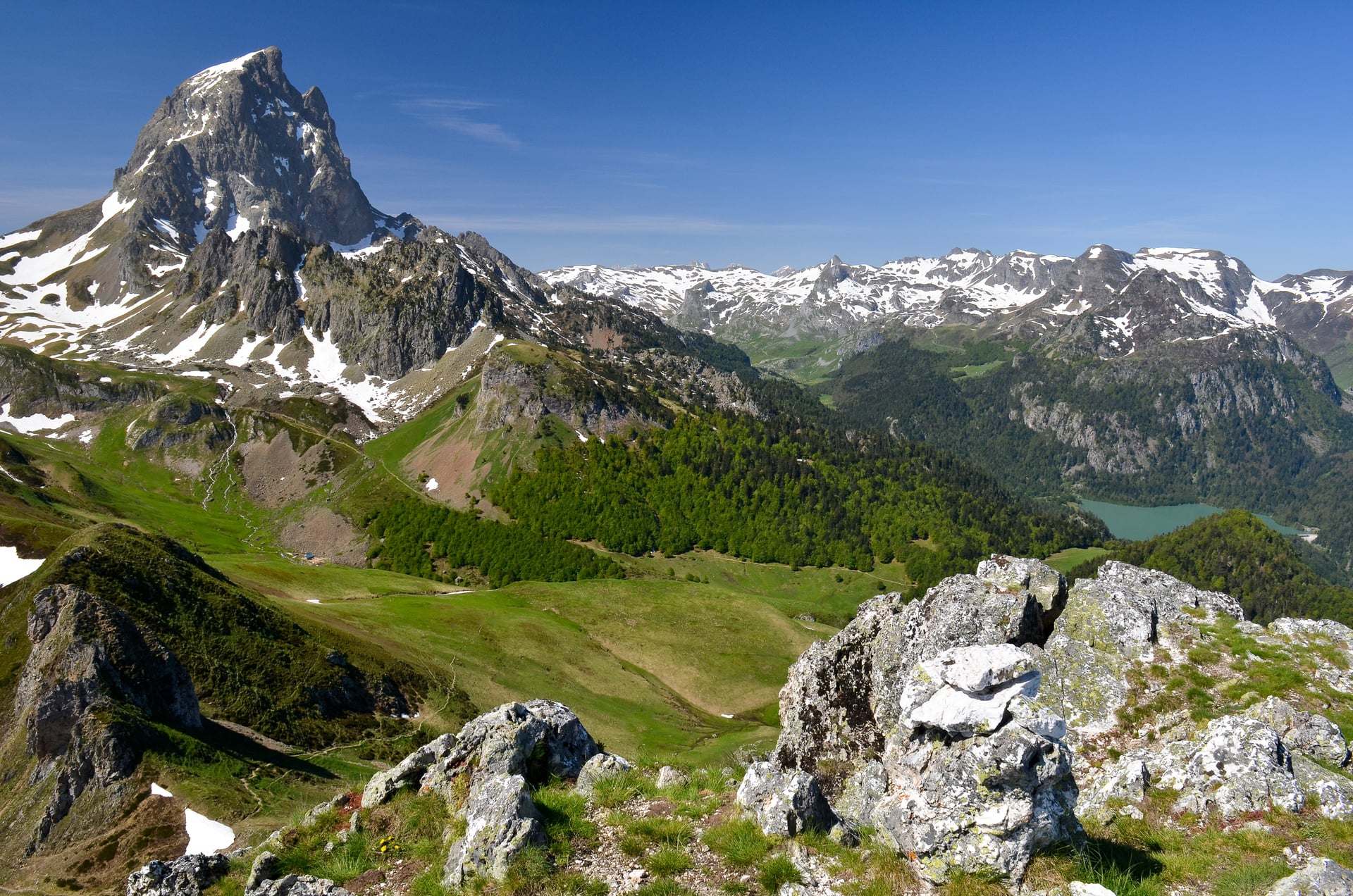
GR10 vs Popular Pyrenean Routes
If you’re planning a long-distance trek across the Pyrenees, three classic routes stand out as the most popular choices. These are the ones hikers most often compare when deciding how challenging, scenic, or remote they want their journey to be:
GR10 – the well-known French route (which you already know from this guide).
GR11 – its Spanish counterpart, offering sunnier, often drier conditions and a slightly different cultural feel.
HRP (Haute Randonnée Pyrénéenne) – the high-route option, much wilder and more demanding, for hikers who want a more remote and alpine experience.
The Pyrenees are really good for long-distance hiking, and these routes are the core of almost every thru-hiker’s planning. Below, you’ll find some quick comparisons to help you choose which one fits your style.
1. GR10 (French Side)
The GR10 follows the northern, French slopes of the Pyrenees and stays at moderate elevations, rarely exceeding 2,500 metres. It dips into valleys regularly, which means frequent access to villages, gîtes, refuges and resupply points. This makes it ideal for hikers who want a long trek with consistent support infrastructure and cultural immersion.
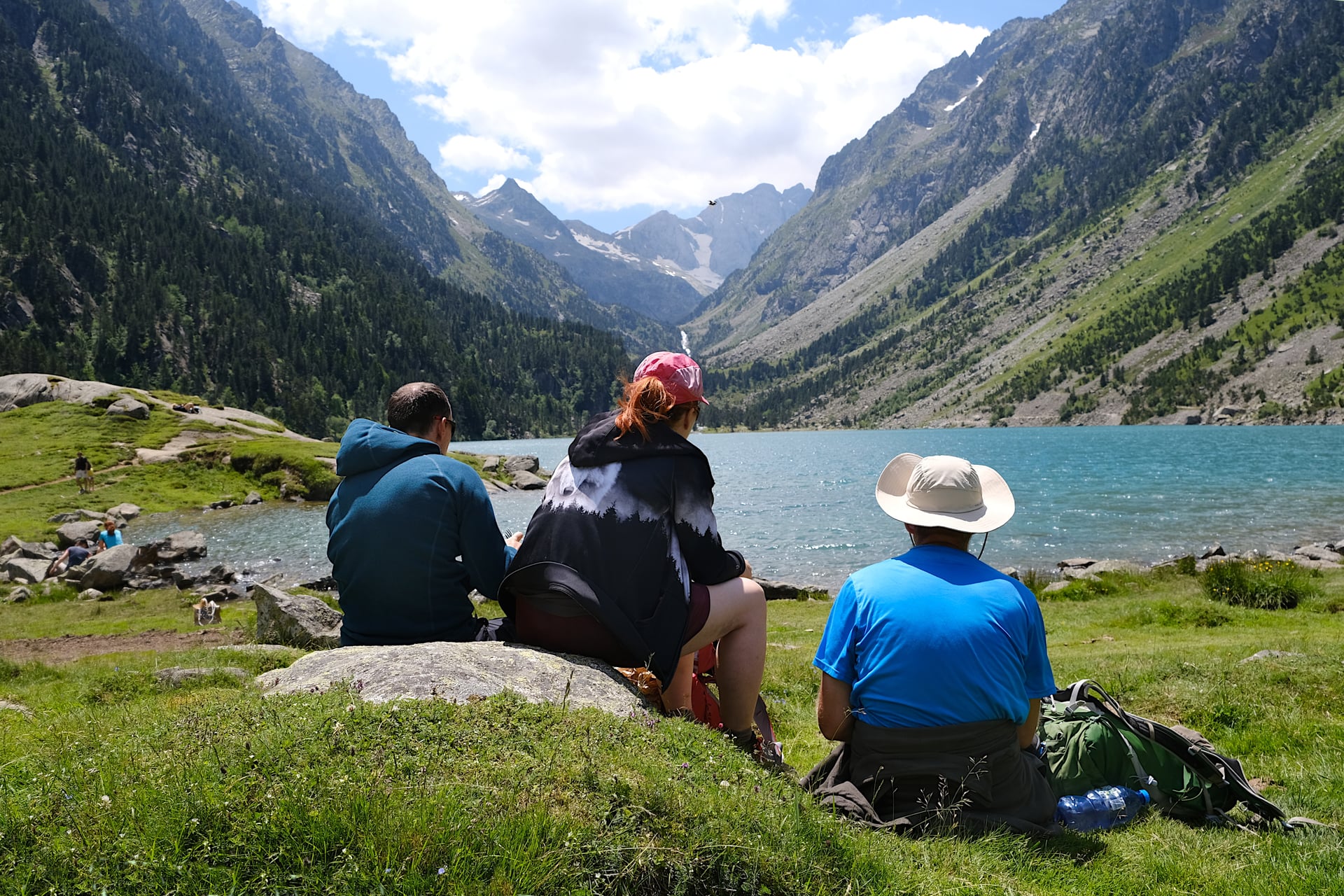
The full route is about 920 kilometres and takes 40 to 55 days to complete.
2. GR11 (Spanish Side)
The GR11 mirrors the GR10 but runs along the southern, Spanish side of the mountain range. It tends to stay higher and drier than the GR10, with more sunshine and less frequent rainfall. The Spanish side also has fewer villages, so stages between resupply points can be longer.
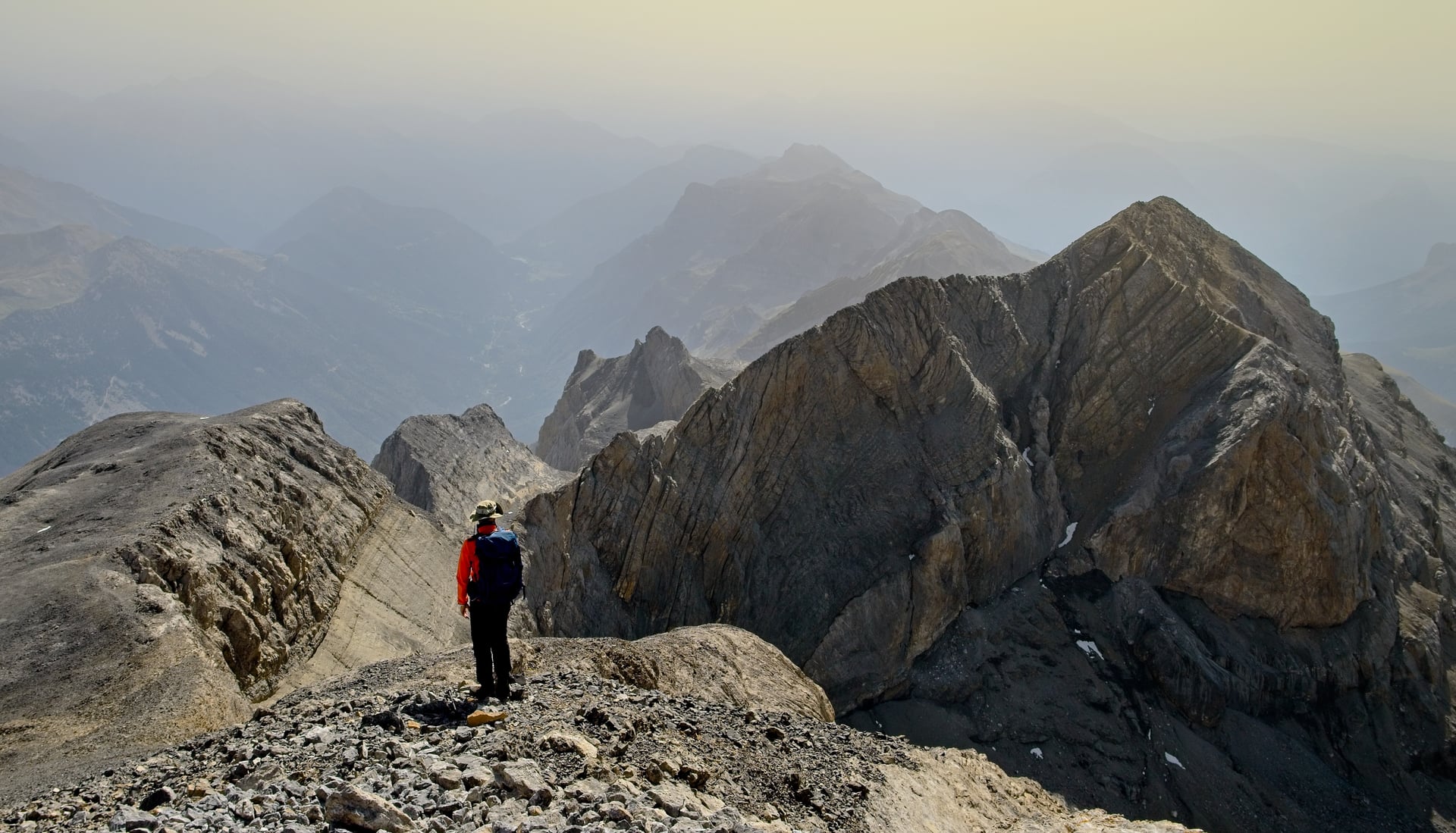
The GR11 is roughly the same length as the GR10 but feels more remote in certain sections. Hikers who prefer warmer weather and longer stretches of solitude often choose the GR11.
3. Pyrenean High Route (HRP / Haute Randonnée Pyrénéenne)
The HRP is the most demanding of the three. It follows the ridgeline along the Franco-Spanish border and stays at high altitude for most of its length, crossing numerous passes above 2,500 metres. The route occasionally requires scrambling or basic mountaineering skills.
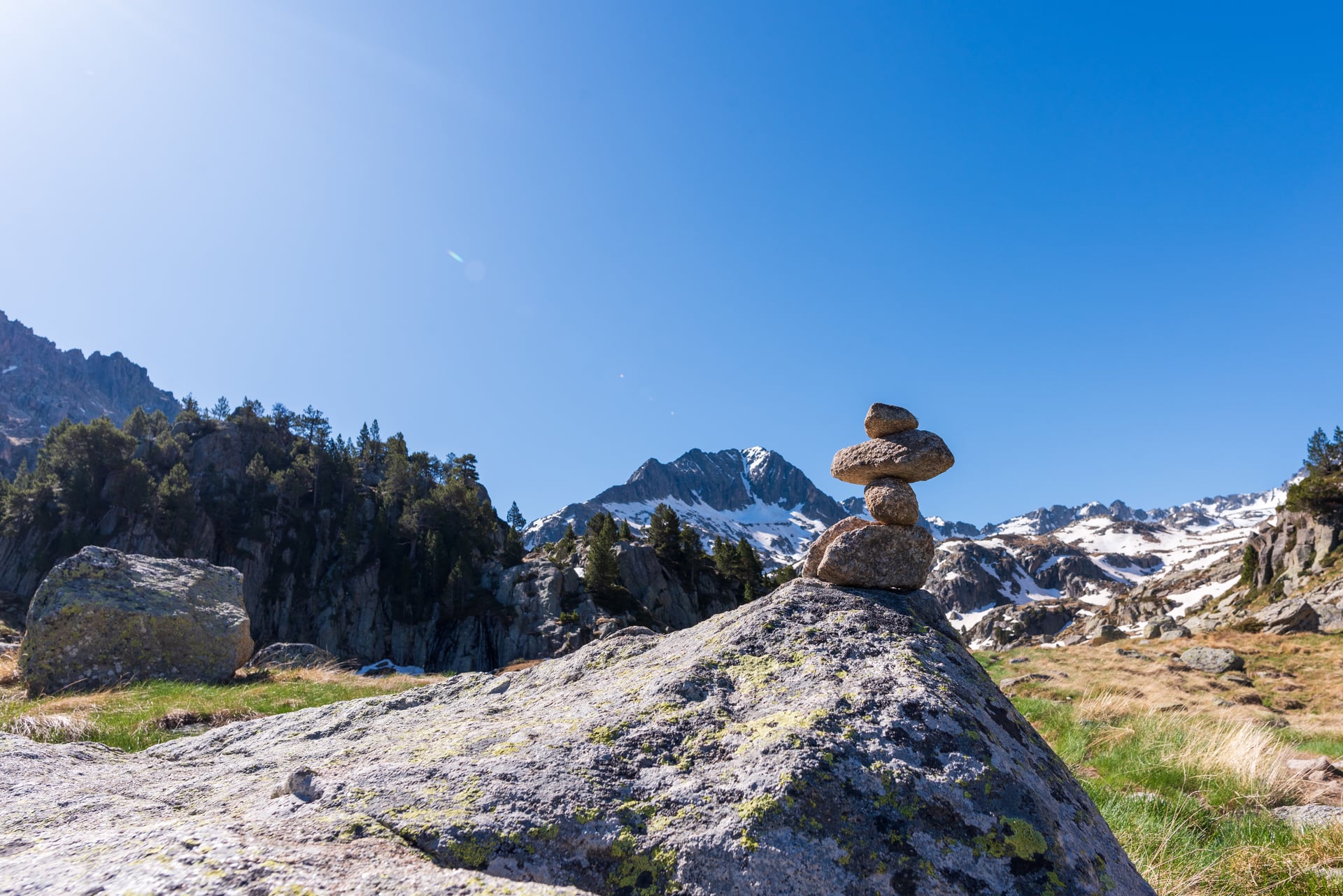
The HRP is less clearly marked than the GR10 or GR11, and route-finding experience is essential. It offers the most dramatic alpine scenery but requires strong fitness, technical confidence and the ability to navigate in challenging conditions. The HRP is best suited to experienced mountain trekkers looking for a serious challenge.
Quick Comparison
Route | Duration | Elevation | Difficulty | Villages & Resupply | Best For |
GR10 | 40-55 days | Moderate (rarely above 2,500m) | Physically demanding but non-technical | Frequent access to villages and refuges | Hikers wanting infrastructure and culture |
GR11 | 40-50 days | Moderate to high | Similar to GR10, slightly more remote | Less frequent than GR10 | Those preferring sunny, drier conditions |
HRP | 40-50 days | High (often above 2,500m) | Very hard, some scrambling required | Minimal, long stages between resupply | Experienced trekkers seeking alpine challenge |
If you want a long trek with regular villages, good facilities and a mix of forest and mountain terrain, the GR10 is the natural choice. If you prefer staying higher with more sun and fewer people, consider the GR11. And if you are after the most challenging and spectacular route with serious altitude and navigation demands, the HRP is unmatched.
When to Hike the GR10
The main hiking season on the GR10 runs from late June to late September, when most high passes are free of snow and accommodation along the route is fully open. Snow takes longer to melt on the French side than in Spain, so some higher sections may still hold patches in early June. By early July, the entire trail is usually clear and walkable from coast to coast.
Below is a clear breakdown of what each season offers so you can choose the best time for your GR10 adventure:
Late June–July: Early season — snow finally melts on high passes; cooler mornings and excellent visibility
August: Peak season — warm, busy, and storm-prone in the afternoons
September: Ideal window — stable weather, mild temperatures, quieter trails
October–May: Winter conditions — snow, ice, and closed sections at higher elevations
Spring (April–June)
Spring arrives slowly in the French Pyrenees. April and May often bring lingering snow above 1,800–2,000 m, with several high passes still partially covered. By mid to late June, most of the route becomes accessible, and the surrounding landscapes are at their greenest.
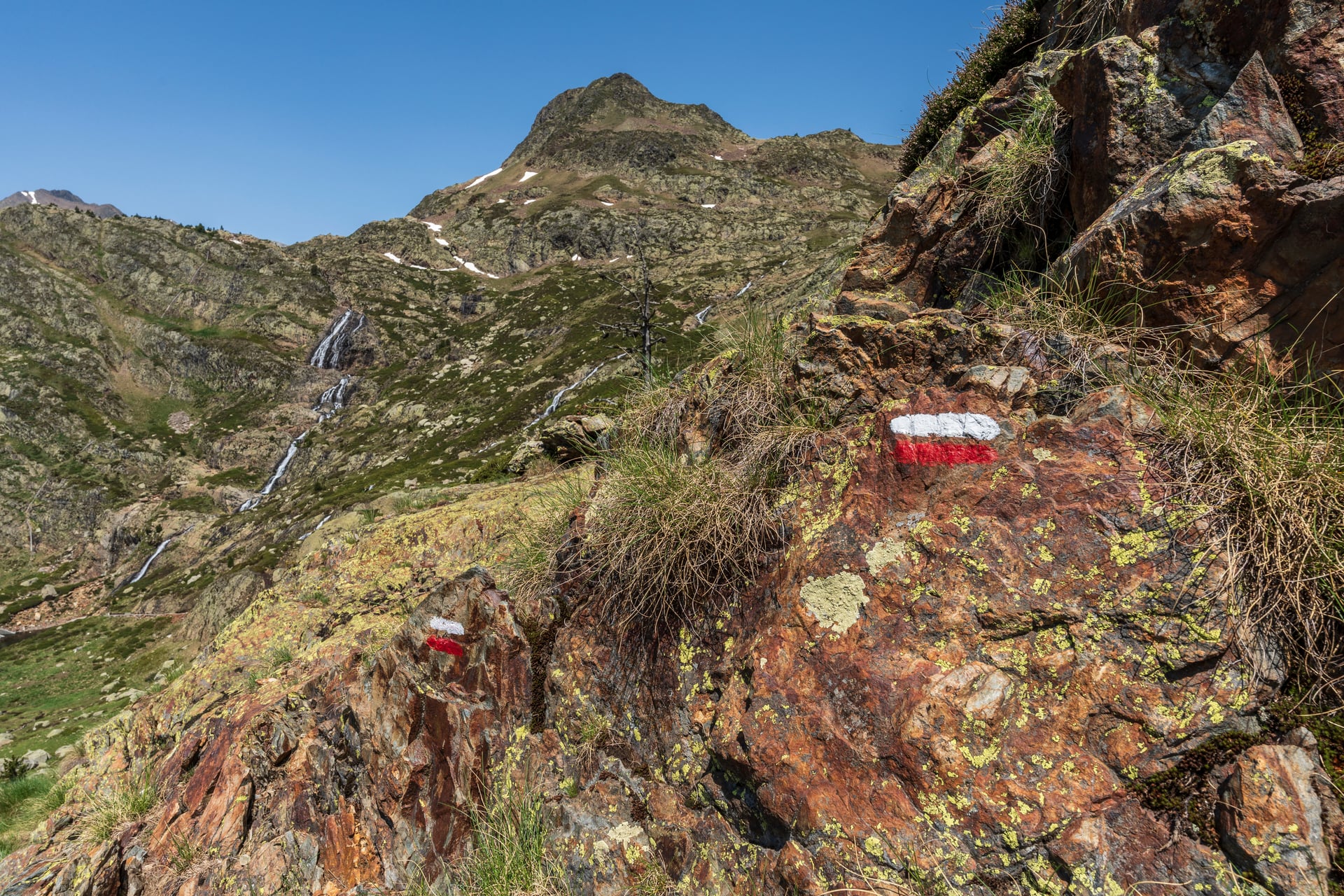
Temperatures: Lower sections typically range between 10–20°C, while high passes remain cooler at 5–12°C.
Best for: Hikers who prefer cooler weather, quiet paths, and dramatic early-season scenery.
Good to know:
High passes may hold snow into late June
Early June offers great conditions but requires flexibility
Streams run high, making water plentiful but crossings occasionally tricky
Summer (July–August)
Summer is the busiest and most reliable period on the GR10. Days are long, most gîtes and refuges are open, and the entire trail is accessible. Expect warm temperatures in the foothills and cooler, pleasant conditions in the high mountains — along with frequent afternoon storms.
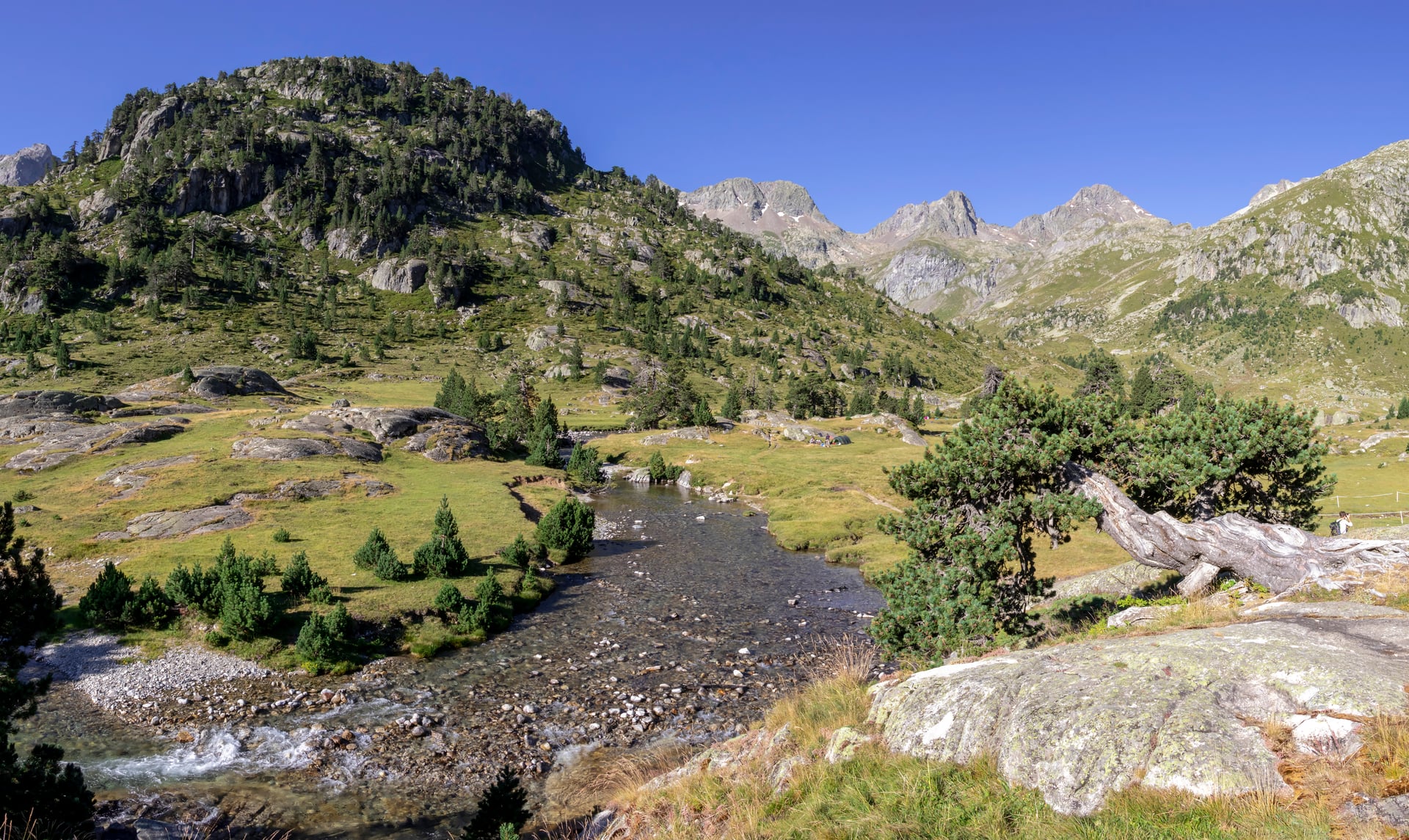
Temperatures: Lower valleys sit around 18–28°C, while higher terrain ranges from 10–18°C.
Best for: Long days on the trail, high passes, lake-filled stages, and hikers wanting full services and predictable access.
Good to know:
Afternoon thunderstorms are common — early starts are essential
Accommodation fills quickly in August
Heat can be strong in the Basque Country and eastern foothills
Autumn (September)
September is widely considered the best month to hike the GR10. Temperatures cool, visibility improves, and crowds thin as summer holidays end. Most accommodation remains open until late September, making logistics straightforward.
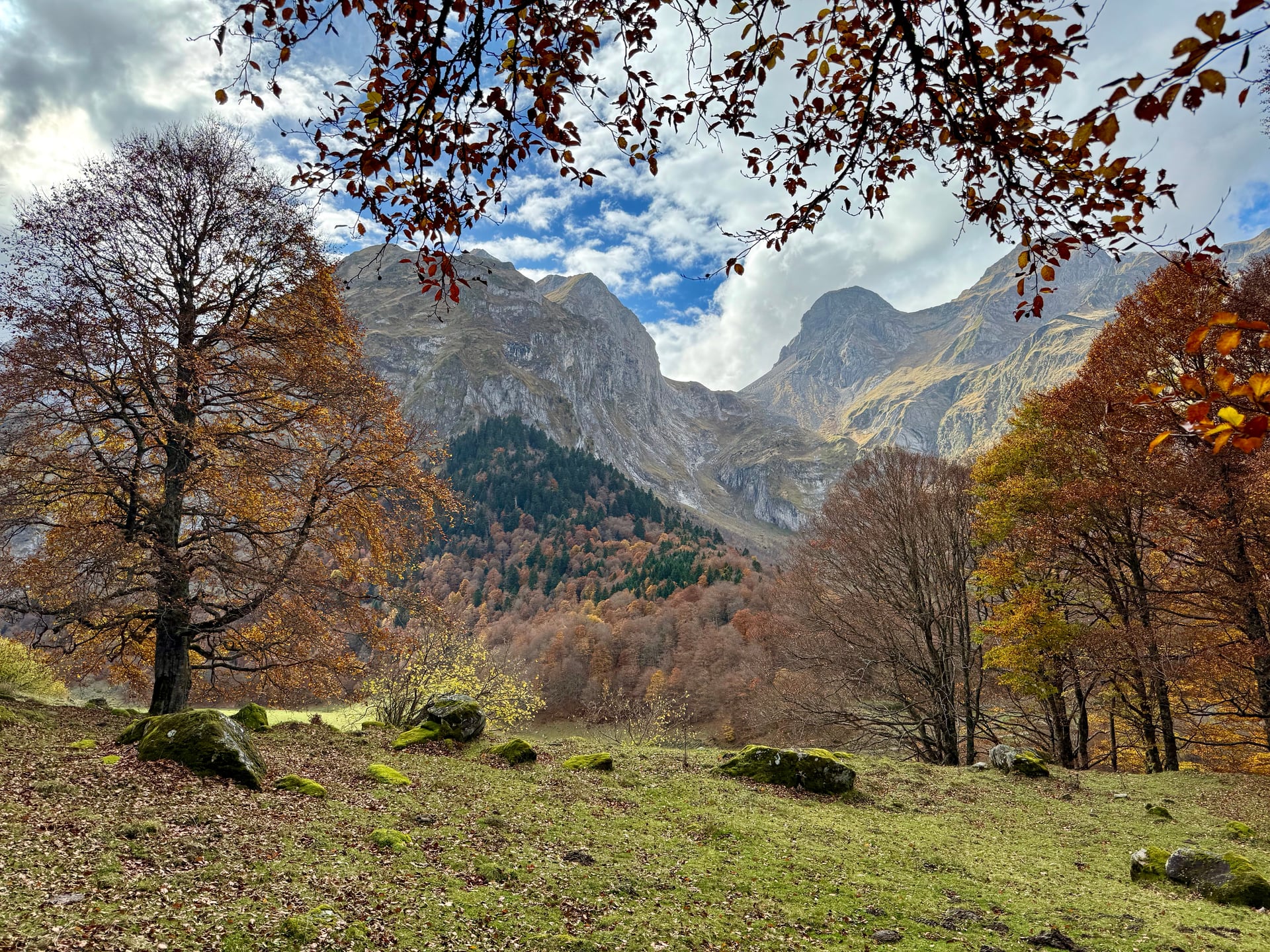
Temperatures: Lower sections range from 12–22°C, with higher areas at 6–14°C, creating crisp, clear hiking conditions.
Best for: Stable weather, lighter crowds, long-distance sections, and multi-week traverses.
Why go in September:
Stable, predictable weather
Cooler temperatures ideal for long daysFewer hikers and easier bookings
Beautiful early-autumn colours in many valleys
Winter (October–May)
Winter brings snow, ice, and very limited access to high terrain. Many gîtes and refuges close for the season, and several sections become mountaineering routes. Only experienced winter hikers should attempt the GR10 at this time of year.
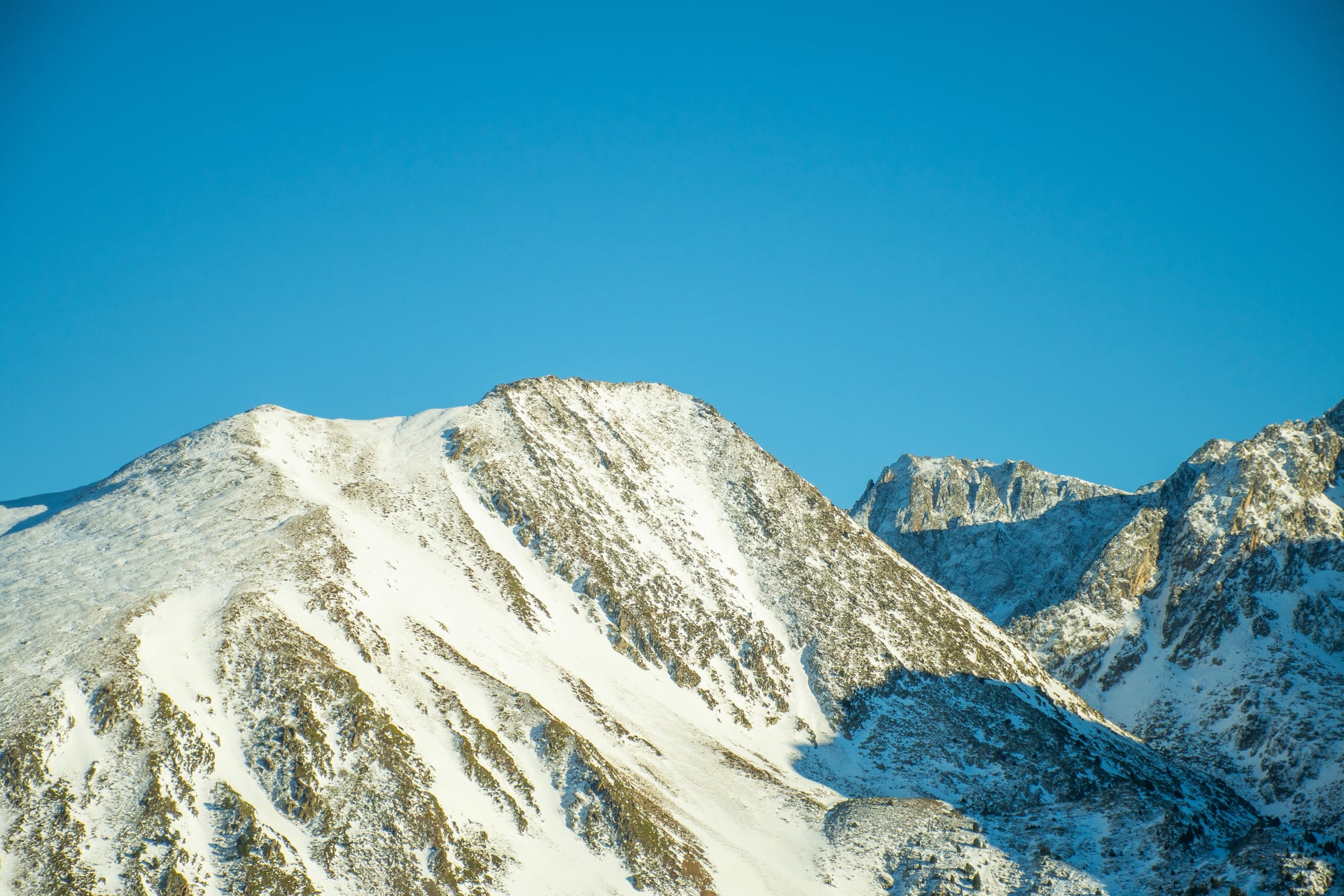
Temperatures: Lower areas average 0–10°C, while high elevations often stay below freezing.
Best for: Experienced winter mountaineers — not recommended for general hikers.
Good to know:
Snow and ice persist well into spring
Several stages are unsafe without winter gear
Short daylight hours reduce daily distances
Accommodation options are limited
What to Do in Bad Weather
Weather in the Pyrenees can change quickly, especially in July and August. A sunny morning can turn into rain or thunderstorms within hours. If you hear thunder or see storms building, descend immediately — high passes and exposed ridges become dangerous very fast.
Many refuges and gîtes offer common rooms where you can wait out poor weather, rest, or plan the next stage. Larger towns along the GR10 also provide cafés, bakeries, and sheltered spots to pause your hike on a rainy day.
Best Sections of the GR10
1. Hendaye to Sare (Atlantic Coast & Basque Hills)
📏 Distance: 25–30 km
⏱️ Time to complete: 1–2 days
⛰️ Elevation: +900 m
⚖️ Difficulty: Easy to Moderate
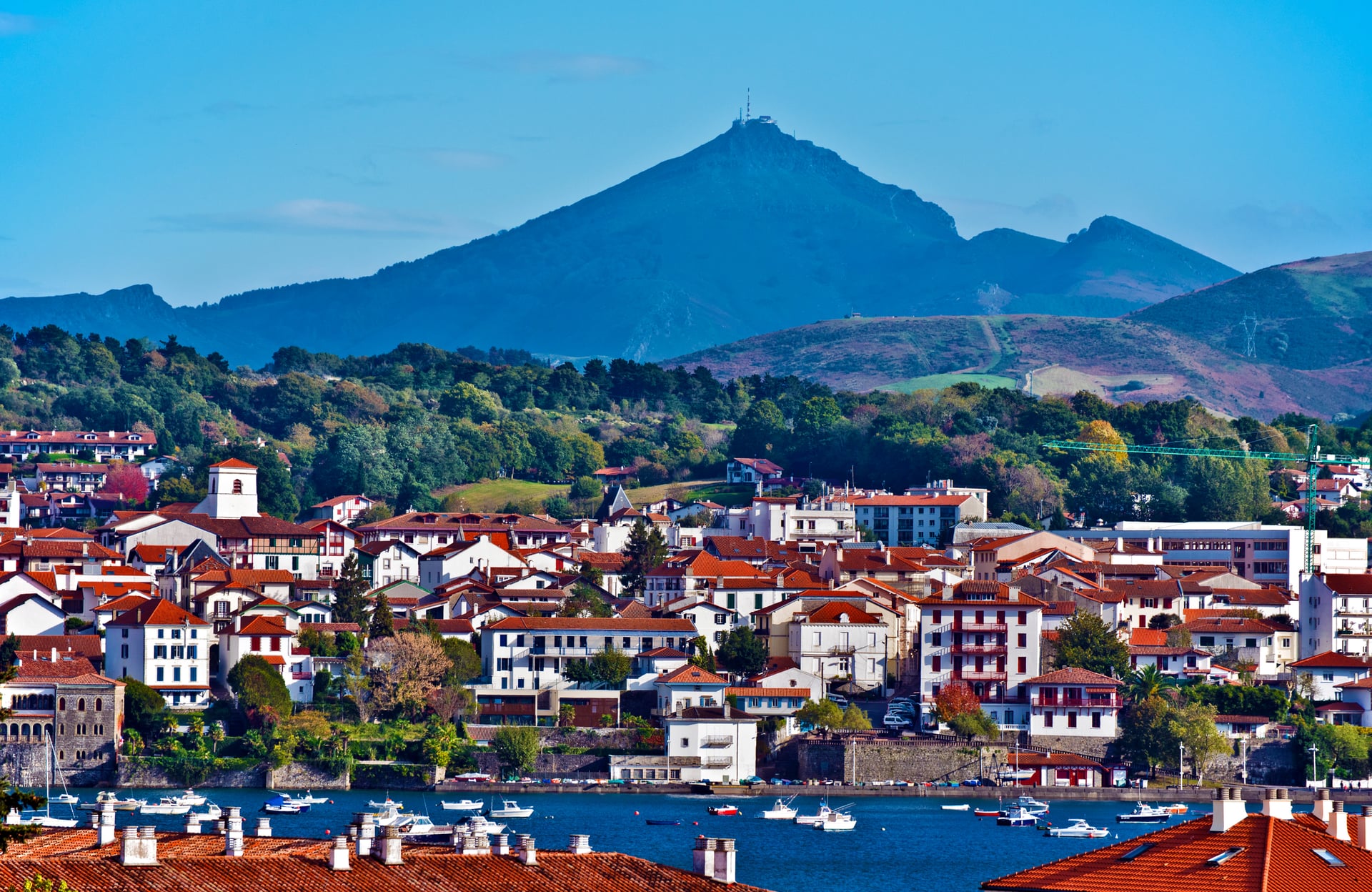
This opening section starts right beside the Atlantic and climbs through green Basque countryside. You'll pass traditional red-shuttered houses, working farms and small stone villages like Olhette and Sare. The trail follows ancient smugglers' paths and offers views across the coast before entering the foothills. It is a warm, cultural beginning before the trail rises into higher mountains.
2. Saint-Jean-Pied-de-Port to Iraty Forest (Western Foothills & Beech Woods)
📏 Distance: 45–50 km
⏱️ Time to complete: 2–3 days
⛰️ Elevation: +2,100 m
⚖️ Difficulty: Moderate
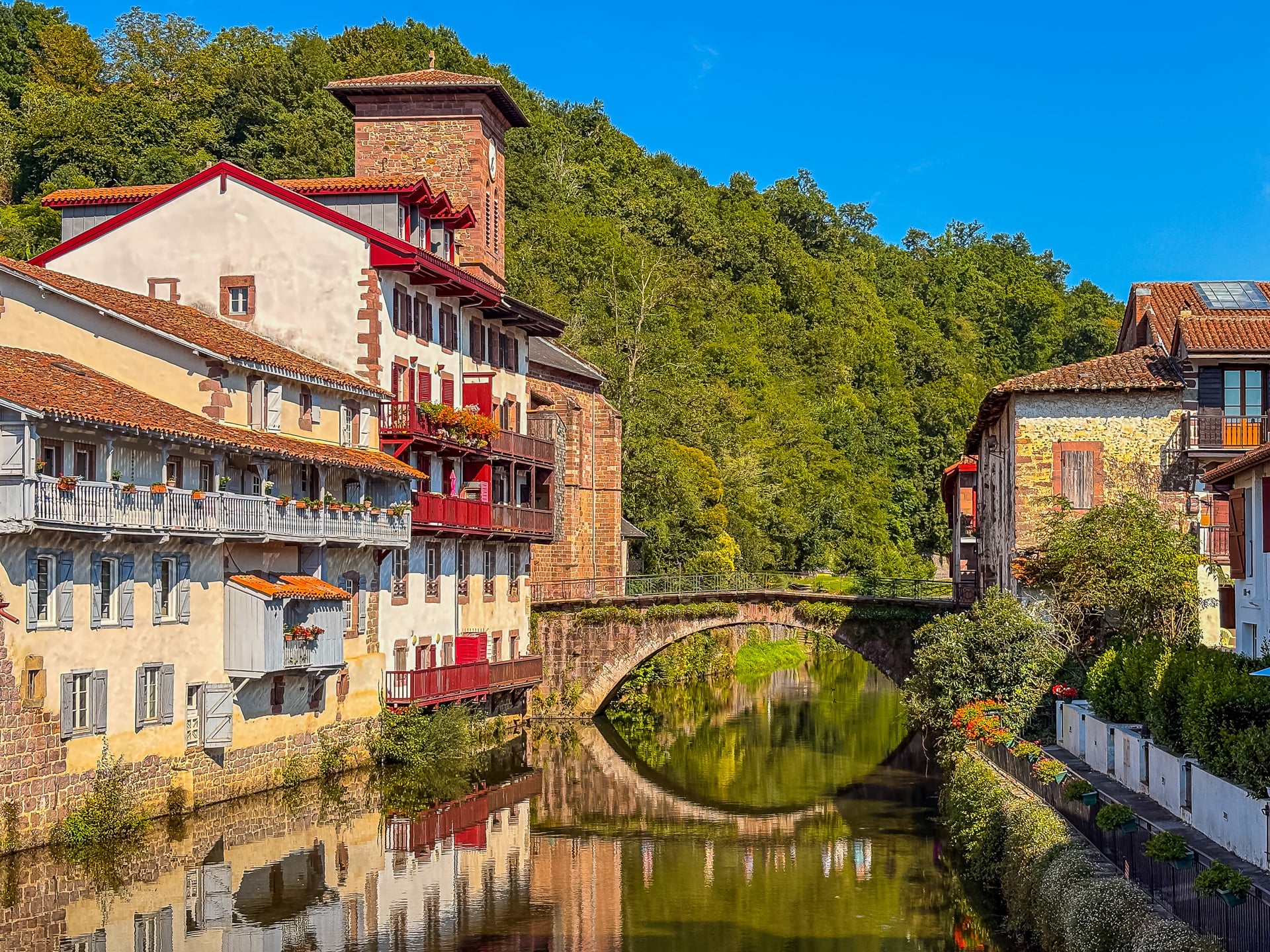
This stretch leaves the Basque foothills and climbs into one of Europe's largest beech forests. The paths are soft, shady and nearly silent, with thick canopy overhead and moss-covered ground underfoot. The Iraty plateau is especially beautiful in early morning light. In addition, you'll cross high pastures where Basque sheep graze freely. This section offers a peaceful transition toward the higher mountains ahead.
3. Cauterets to Luz-Saint-Sauveur (Central High Mountains)
📏 Distance: 55 km
⏱️ Time to complete: 3–4 days
⛰️ Elevation: +3,200 m
⚖️ Difficulty: Hard
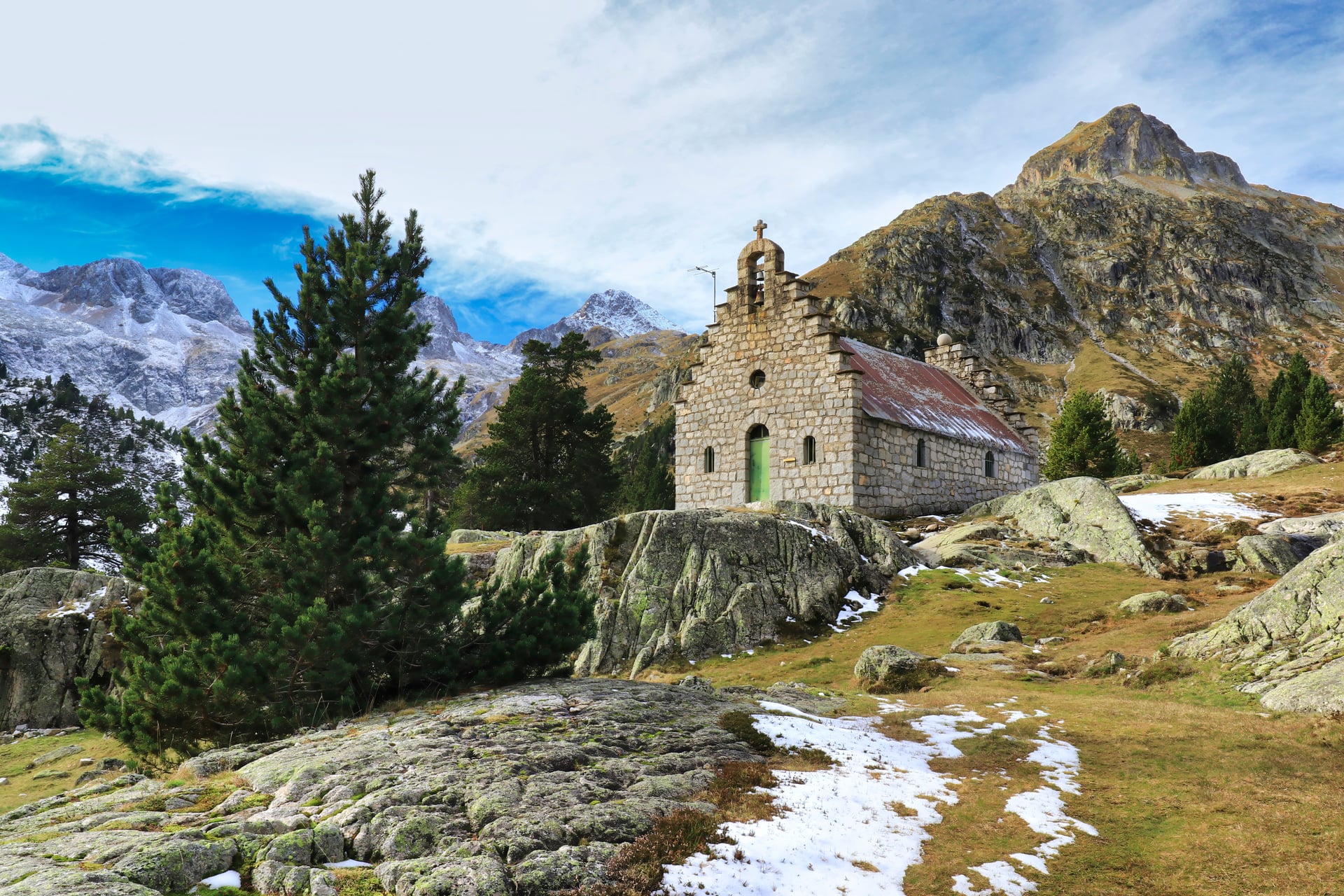
This 55km stretch crosses four major passes including Col d'Ilhéou at 2,716 metres. The route skirts the Cirque de Gavarnie, a UNESCO-listed limestone amphitheater that rises 1,500 metres from the valley floor.
Expect sustained climbs through alpine meadows dotted with grazing sheep, high glacial lakes like Lac des Gloriettes, and exposed granite ridges where you'll need sure footing. Many hikers consider this the most visually striking section of the entire trail.
4. Ariège Wild Section: Aulus-les-Bains to Mérens-les-Vals
📏 Distance: 85 km
⏱️ Time to complete: 5–6 days
⛰️ Elevation: +4,800 m
⚖️ Difficulty: Very Hard
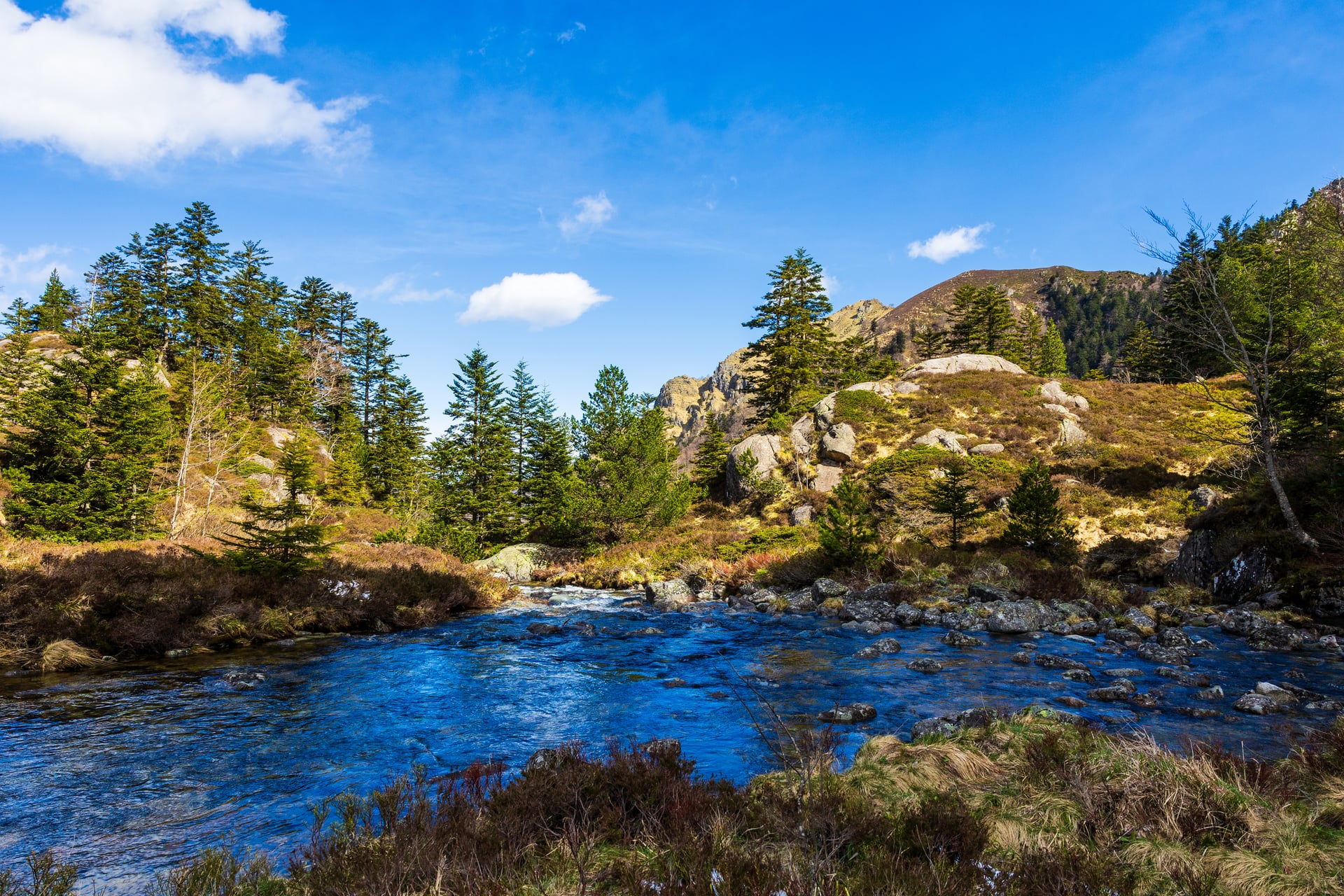
The Ariège is the GR10 at its wildest: villages are far apart, climbs are long, and the landscape feels untouched.
Highlights include high passes like Port de Saleix (2,452 m), granite peaks, turquoise lakes, and sweeping valleys. The trails are rugged and physically demanding but not technical. Water is generally available, though accommodation is limited, making careful planning essential.
This section is famed for its solitude, dramatic scenery, and pure mountain adventure.
5. Bolquère to Banyuls-sur-Mer (Mediterranean Finale)
📏 Distance: 120 km
⏱️ Time to complete: 6–7 days
⛰️ Elevation: +3,900 m
⚖️ Difficulty: Moderate
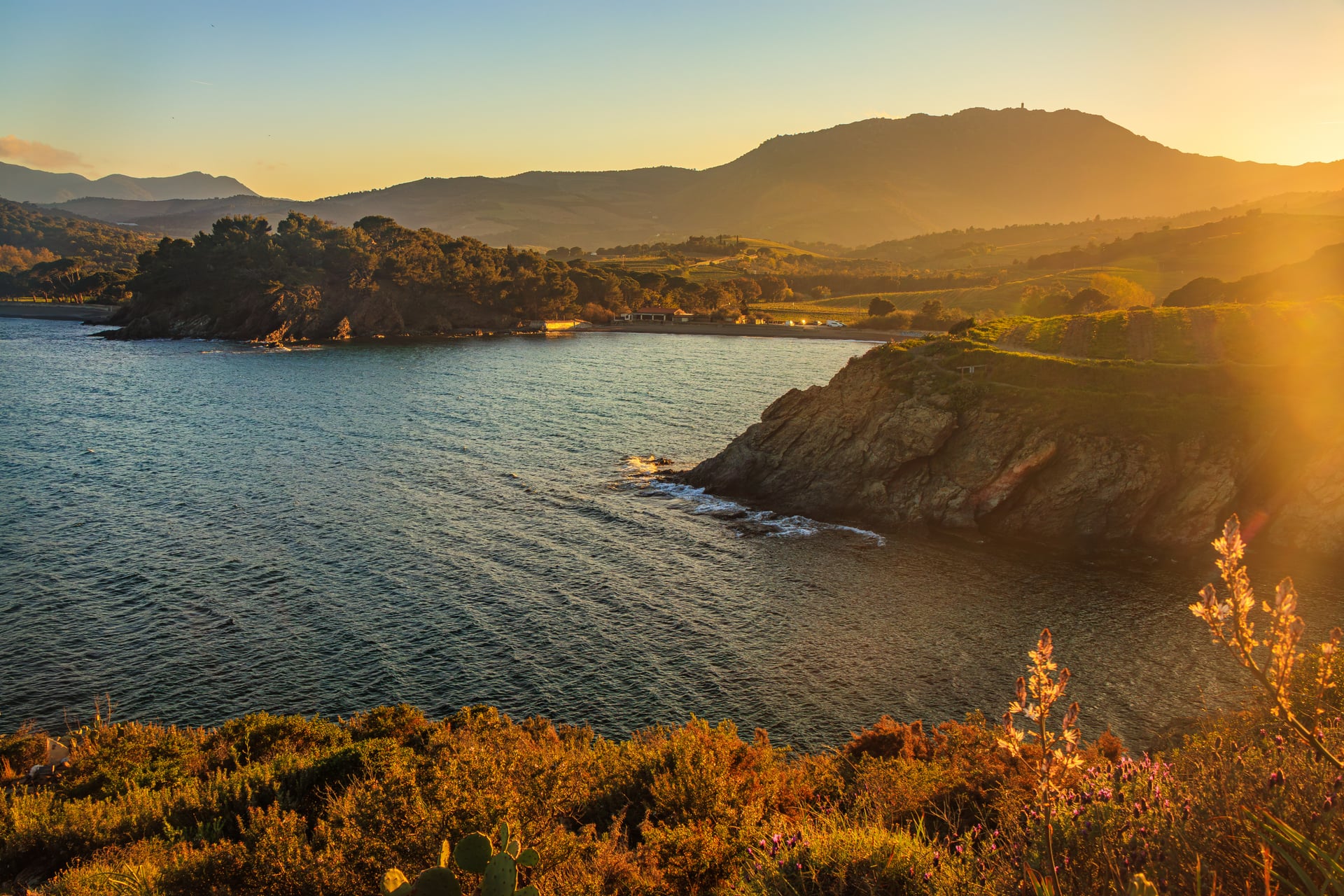
The final stretch of the GR10 is completely different in character. Forests thin out, the climate becomes warmer and the trail crosses dry, rocky ridges covered in Mediterranean scrub. You'll pass through Catalan villages where Spanish and French blend together. The trail descends through terraced vineyards before reaching the sea at Banyuls-sur-Mer. Reaching the Mediterranean after weeks in the mountains is an unforgettable moment and one of the highlights of the entire GR10 journey.
How Much Time Do You Need on the GR10
A full GR10 traverse is a significant commitment. Most hikers spend 40 to 50 days walking coast to coast, depending on fitness and how many rest days they take.
It takes more than 50 days to complete the full route, which is a major commitment, so many hikers choose to walk a shorter section instead.
The GR10 is also perfect for one to two week sections. In fact, each region of the French Pyrenees has its own character. The Basque west feels green and cultural, the central mountains are high and dramatic, and the eastern Mediterranean section brings warmer climates and coastal landscapes.
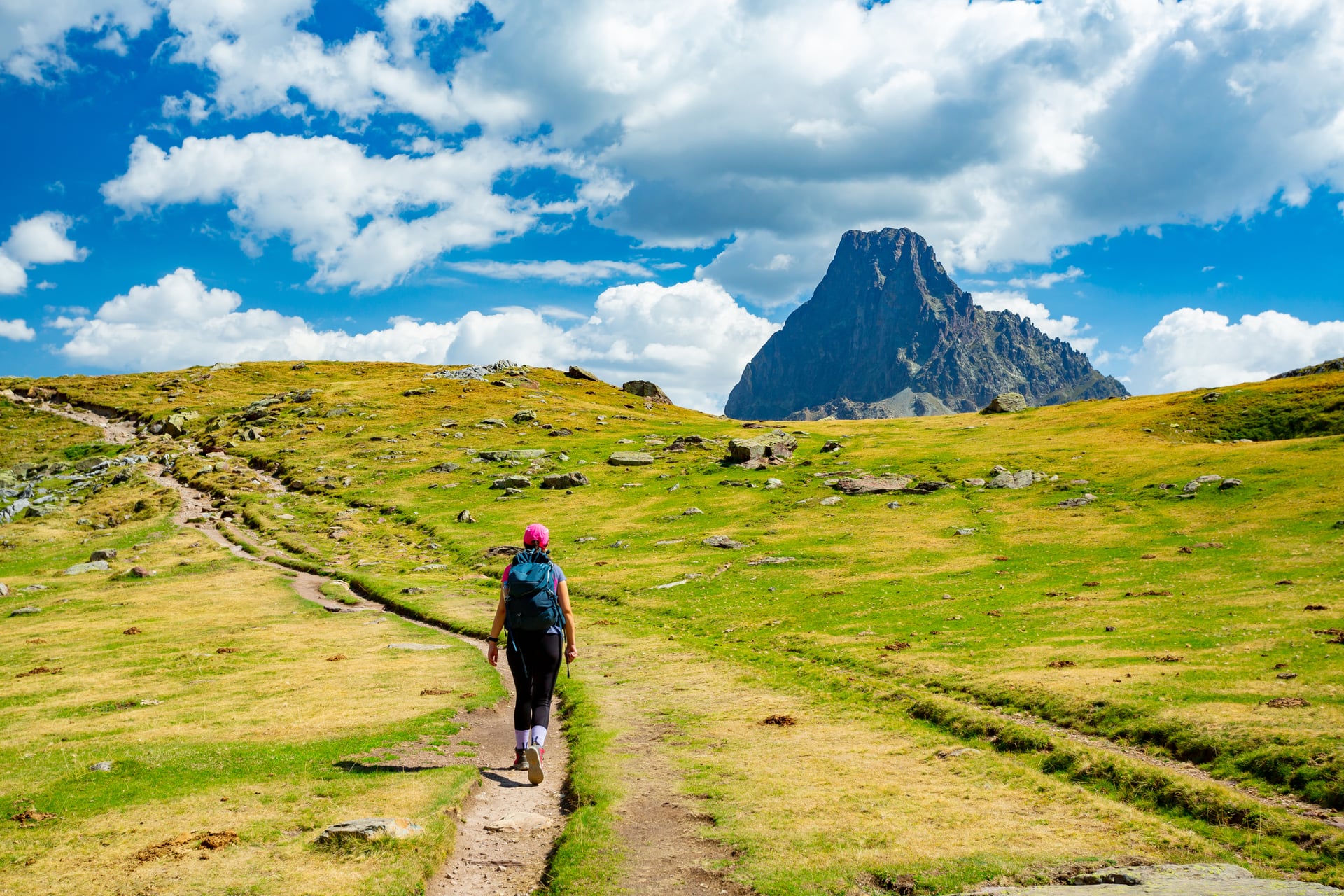
Even a short section delivers a full taste of the GR10 experience and we offer several curated shorter tours so you can enjoy the highlights without taking on the full route.
Many hikers divide the route into four practical blocks, each taking around ten to fourteen days. The Atlantic Basque Country covers Hendaye to Saint-Jean-Pied-de-Port. The Western Central Pyrenees run from Saint-Jean-Pied-de-Port to Cauterets. The Eastern Central Pyrenees stretch from Cauterets to Luchon or Aulus-les-Bains. Finally, the Mediterranean Pyrenees complete the journey from Aulus-les-Bains to Banyuls-sur-Mer.
Walking one block, or combining two adjacent ones, creates an ideal medium-length adventure without committing to the full two-month traverse.
Where to stay on the GR10
The GR10 offers a wide variety of places to stay. This makes planning much easier than on more remote long-distance routes. Throughout the trail you will find:
gîtes d'étape,
small hotels,
mountain refuges,
simple guesthouses and
family-run lodges.
Most towns and larger villages also have bakeries, restaurants and small supermarkets, so it is easy to resupply without carrying large amounts of food.
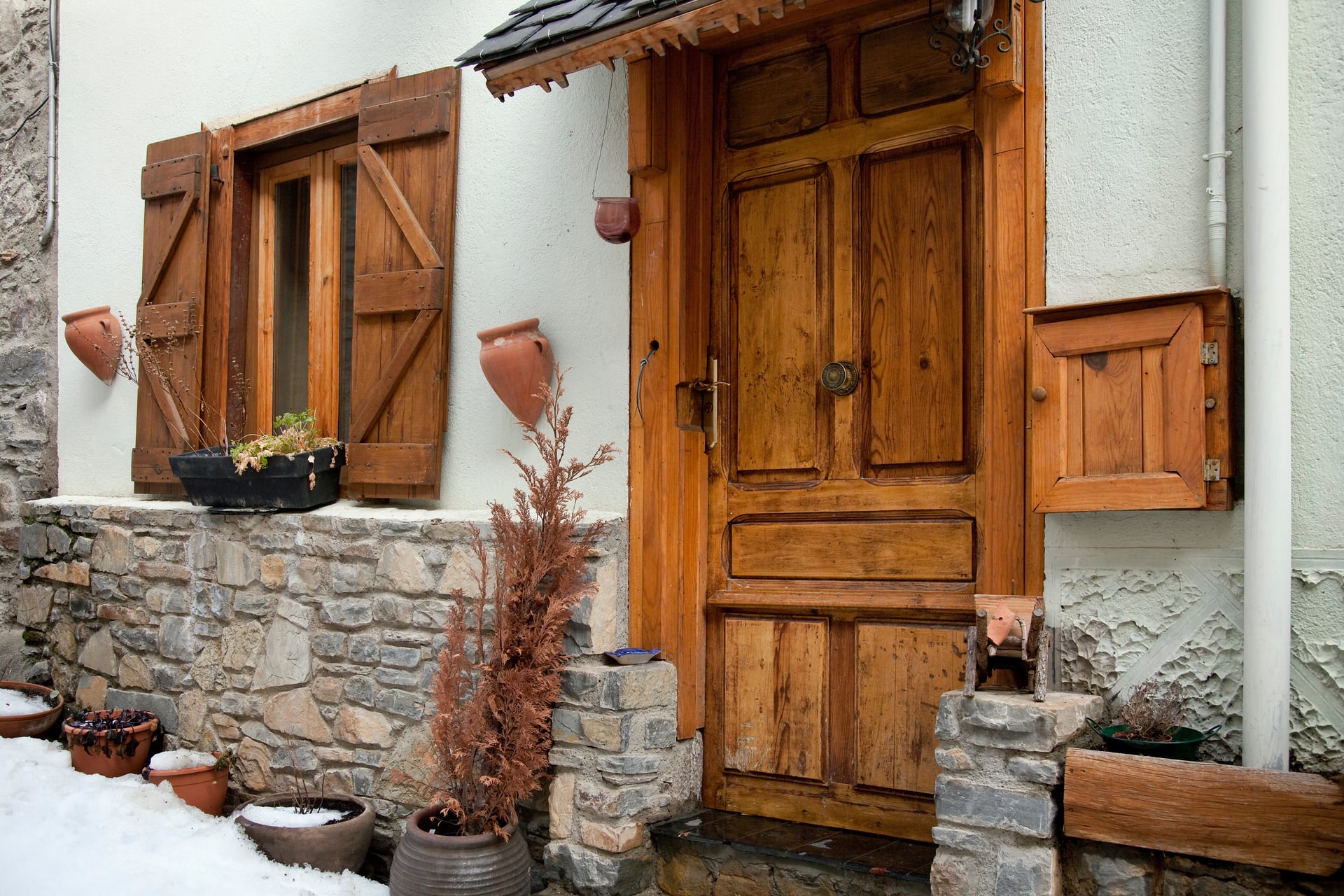
Mountain refuges become more common in the central and eastern sections of the GR10. These are usually staffed in summer and offer half-board meals, bunk rooms and basic facilities. They are simple but comfortable, and they remove the need to carry a tent for most of the route. During July and August, it is wise to book in advance.
Staying in gîtes and refuges also gives you a closer connection to local culture. Many are run by families or small communities. In addition, evenings often include shared meals, local cheese, regional wine and stories from hikers walking in both directions.
It is one of the most enjoyable parts of the GR10 experience and we can help by organising your accommodations and offering a range of shorter GR10 tours that fit your schedule.
Is Camping Allowed on the GR10
Camping on the GR10 depends on the region you are walking through. In many parts of the French Pyrenees, bivouacking is allowed as long as you set up after sunset and leave at sunrise. This rule is common in mountain areas across France and makes it possible to sleep high if you prefer quiet nights outdoors.
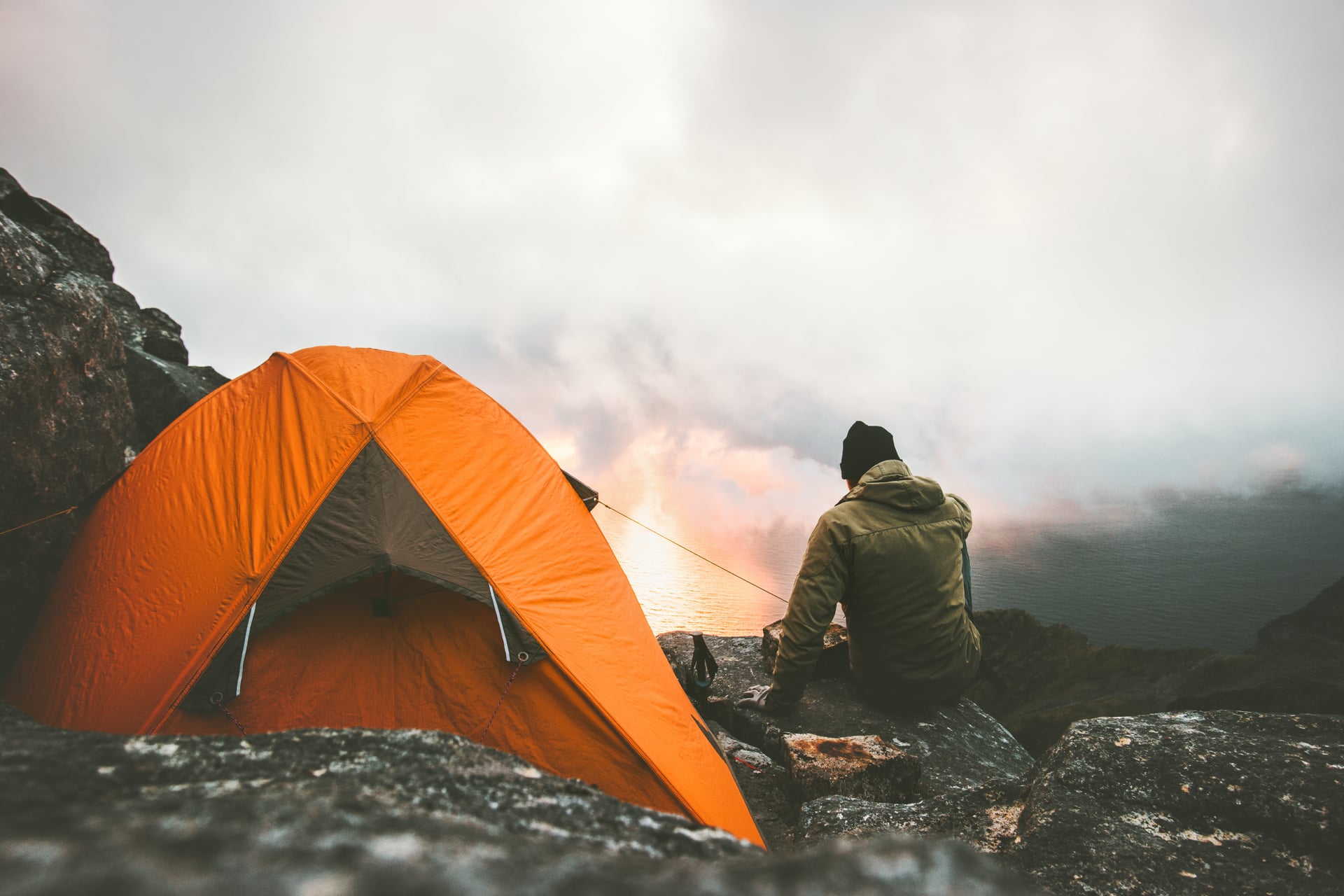
However, wild camping is restricted inside certain nature reserves and national parks. In these areas, tents may only be pitched above specific altitudes or within marked bivouac zones. Rangers actively monitor sensitive environments, so it is important to follow local rules posted at park entrances.
Designated campsites are available in many valleys and offer showers, grassy tent areas and small shops. These are ideal for hikers who want comfort, laundry facilities or a rest day. The GR10 never forces you to camp, but having the option gives you far more flexibility in remote sections.
Getting to the GR10: Start and Finish Points
You can walk the GR10 from west to east or east to west, but most hikers begin in Hendaye on the Atlantic. The western stages are more gradual, making it a smoother introduction before reaching the tougher central Pyrenees. Starting in the east is perfectly viable, just steeper and hotter from day one.
How to Get to Hendaye
Most hikers begin the GR10 in Hendaye, a seaside town on the Atlantic coast where the Basque hills rise directly behind the beach. Hendaye is easy to reach, with direct trains from Paris, Bordeaux and San Sebastián. This makes it one of the most convenient trailheads in the Pyrenees.
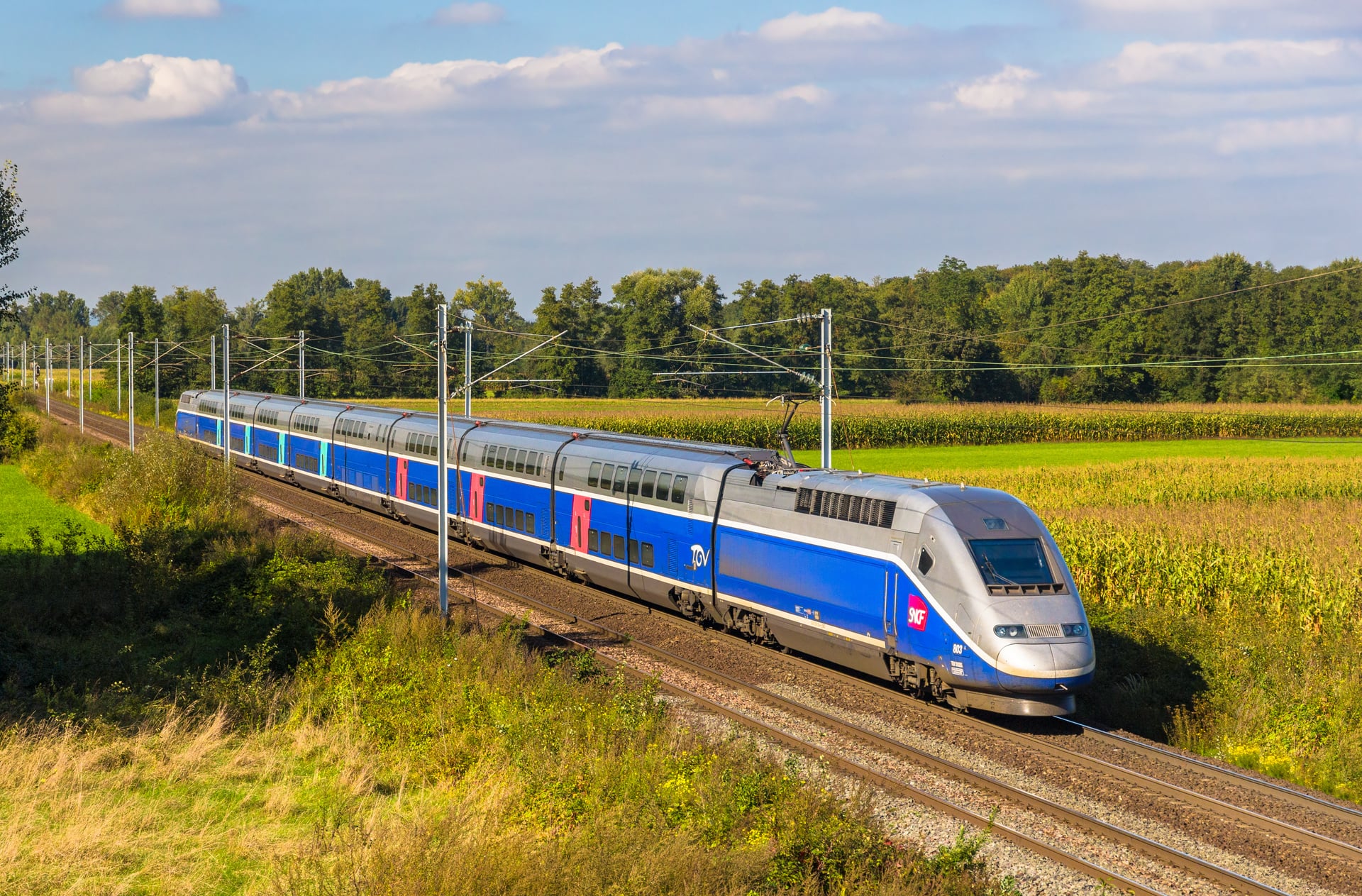
From Paris, take a direct TGV train to Hendaye (approximately 5 hours). From Biarritz Airport, local buses or trains run regularly to Hendaye (about 30-40 minutes).
How to Get to Banyuls-sur-Mer
The eastern finish at Banyuls-sur-Mer is just as accessible. Regular trains arrive from Perpignan and Barcelona. In fact, the final kilometres of the GR10 descend through vineyard-covered slopes almost all the way to the Mediterranean shoreline.
From Perpignan, regional trains run directly to Banyuls-sur-Mer (about 45 minutes). From Barcelona, take a train to Perpignan and then connect to Banyuls-sur-Mer.
Accessing Mid-Route Sections
Many hikers choose to walk only a section of the GR10 rather than the entire route. For these shorter trips, gateway towns such as Cauterets, Luz-Saint-Sauveur, Luchon and Saint-Jean-Pied-de-Port are ideal starting points. They are well connected by regional buses, have plenty of accommodation and allow you to join the GR10 directly in some of its most scenic regions.
Major International Airports
France has several international airports that provide convenient access to the Pyrenees and the GR10 trailheads.
Toulouse-Blagnac Airport (TLS) – The closest major airport to the central Pyrenees. Ideal for starting the GR10 in sections like Cauterets, Luchon, or the Ariège region.
Biarritz Pays Basque Airport (BIQ) – Located near the Atlantic coast, perfect for starting the western sections of the GR10 from Hendaye or Saint-Jean-Pied-de-Port.
Perpignan-Rivesaltes Airport (PGF) – A smaller airport in the south, useful for accessing the eastern Mediterranean sections near Banyuls-sur-Mer.
Barcelona-El Prat Airport (BCN) – Spain's second-largest airport, offering excellent connections to the eastern Pyrenees. About 2-3 hours from the French border by train or car.
We often suggest that hikers spend a day or two in Toulouse, Biarritz, or Perpignan before or after the trek to explore the local culture and adjust to the time zone.
Essential Packing List for the GR10
Packing for the GR10 varies with the weather, altitude and region. The Basque stages can be warm and humid, while the central Pyrenees bring cooler temperatures and sudden storms. This list outlines the essentials for a safe and comfortable trek.
If you hike with us, we’ll provide a customised GR10 packing guide based on your route and travel dates.
Passport (valid for at least 3 months beyond your return date)
Hiking boots – broken in and waterproof
Trekking poles – highly recommended for steep descents
Backpack (30-40L for day hiking, 50-65L if carrying camping gear)
Hiking clothes: moisture-wicking base layers, hiking pants/shorts, fleece or insulated jacket
Waterproof jacket and pants – weather changes fast in the mountains
Hat and sun protection – sunglasses, sunscreen, lip balm with SPF
Warm layers – temperatures drop quickly at altitude, even in summer
Casual clothes for evenings in gîtes and villages
Lightweight sandals or camp shoes for off-trail comfort
Reusable water bottle or hydration system (2-3L capacity recommended)
Headlamp or flashlight with extra batteries
First aid kit – including blister treatment, pain relievers, and any personal medications
Phone + charger + EU plug adapter (Type C or E for France)
Power bank to keep devices charged during long hiking days
Maps and guidebook – printed or downloaded offline
Credit/debit cards and euros in cash – not all refuges and gîtes accept cards
Local SIM card – easy to get upon arrival in France for better connectivity in villages
Practical Tips for Your GR10 Trek
Currency and Payments
France uses the Euro (€) as its official currency.
ATMs are widely available in towns and larger villages along the GR10, and most gîtes, hotels, and restaurants accept credit and debit cards. Still, always carry some cash, especially when hiking through more remote sections where card machines may not always be available at mountain refuges or small family-run gîtes.
Tipping is customary but not obligatory, rounding up or adding 5–10% for excellent service is appreciated in restaurants and gîtes.
Emergency Numbers and Safety
France is generally a very safe country for hiking, but it's always good to be prepared.
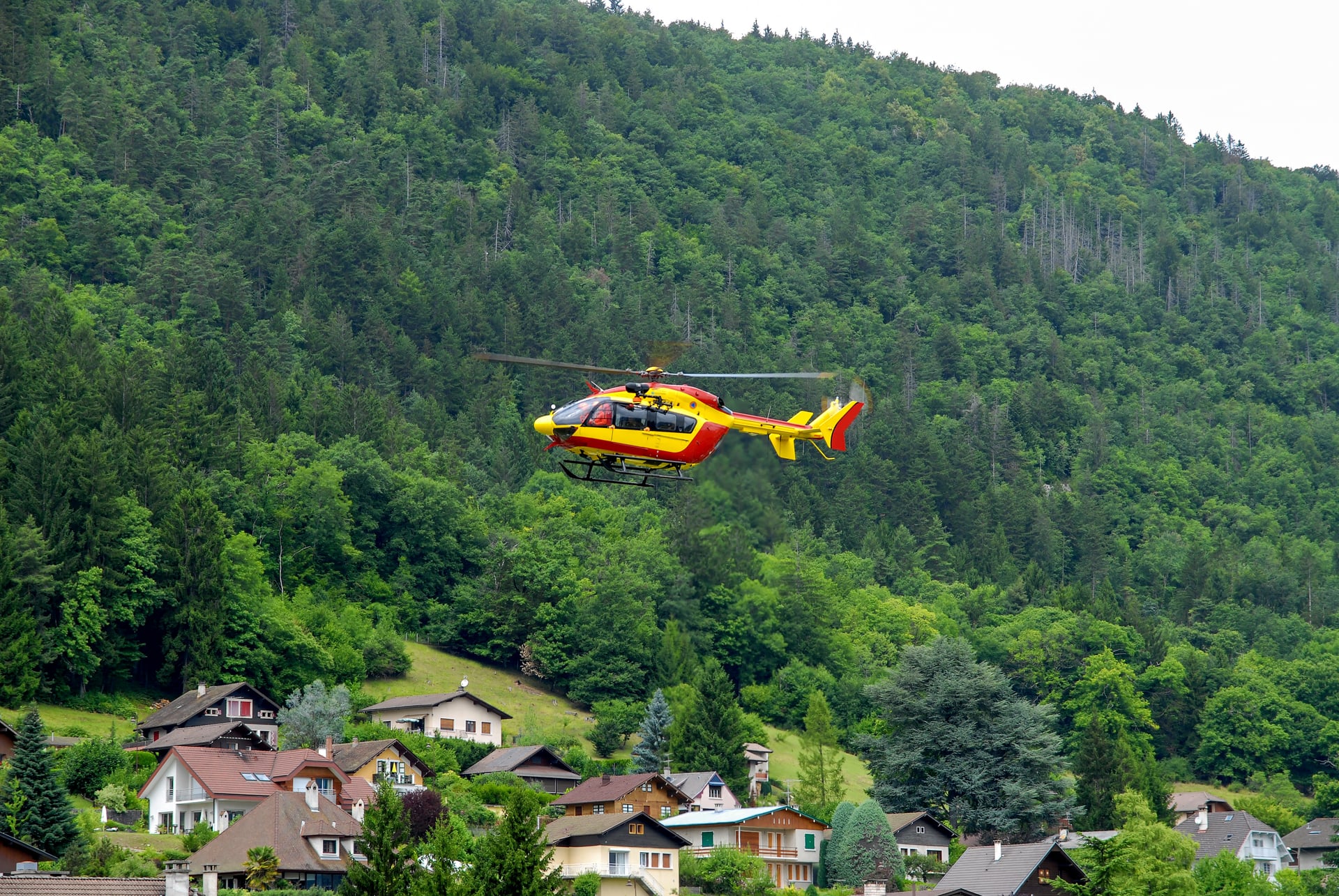
The general emergency number is 112. It connects you to police, ambulance, mountain rescue, and fire services. In remote mountain areas, reception can be limited, so always let someone know your planned route and expected arrival time at your next stop.
Useful French Phrases for the Trail
Here are 20 useful French phrases that might come in handy during your trek:
Bonjour (bon-ZHOOR) – Hello / Good morning
Bonsoir (bon-SWAHR) – Good evening
Au revoir (oh ruh-VWAHR) – Goodbye
Merci (mehr-SEE) – Thank you
S'il vous plaît (seel voo PLEH) – Please
Oui / Non (wee / nohn) – Yes / No
Excusez-moi (ex-kew-zay MWAH) – Excuse me
Parlez-vous anglais? (par-lay voo ahn-GLAY) – Do you speak English?
Je ne comprends pas (zhuh nuh kohm-prahn pah) – I don't understand
Combien ça coûte? (kohm-bee-ehn sah KOOT) – How much does it cost?
Où est…? (oo eh) – Where is…?
L'eau (loh) – Water
Le refuge (luh ruh-FYOOZH) – The mountain hut
Le gîte (luh ZHEET) – The guesthouse
La pharmacie (lah far-mah-SEE) – The pharmacy
Le sentier (luh sahn-tee-AY) – The trail / path
Je suis fatigué(e) (zhuh swee fah-tee-GAY) – I am tired
Une bière, s'il vous plaît (oon bee-AIR seel voo PLEH) – A beer, please
C'est délicieux (seh day-lee-see-UH) – It's delicious
Bonne randonnée! (bohn rahn-dohn-NAY) – Have a good hike!
Plan Your GR10 Hiking Adventure
Planning a trek on the GR10 means juggling accommodation availability, weather windows, transport connections between valleys, and balancing daily distances so the route stays enjoyable instead of exhausting. All of this can get overwhelming—especially in July and August, when refuges and small gîtes fill up fast.
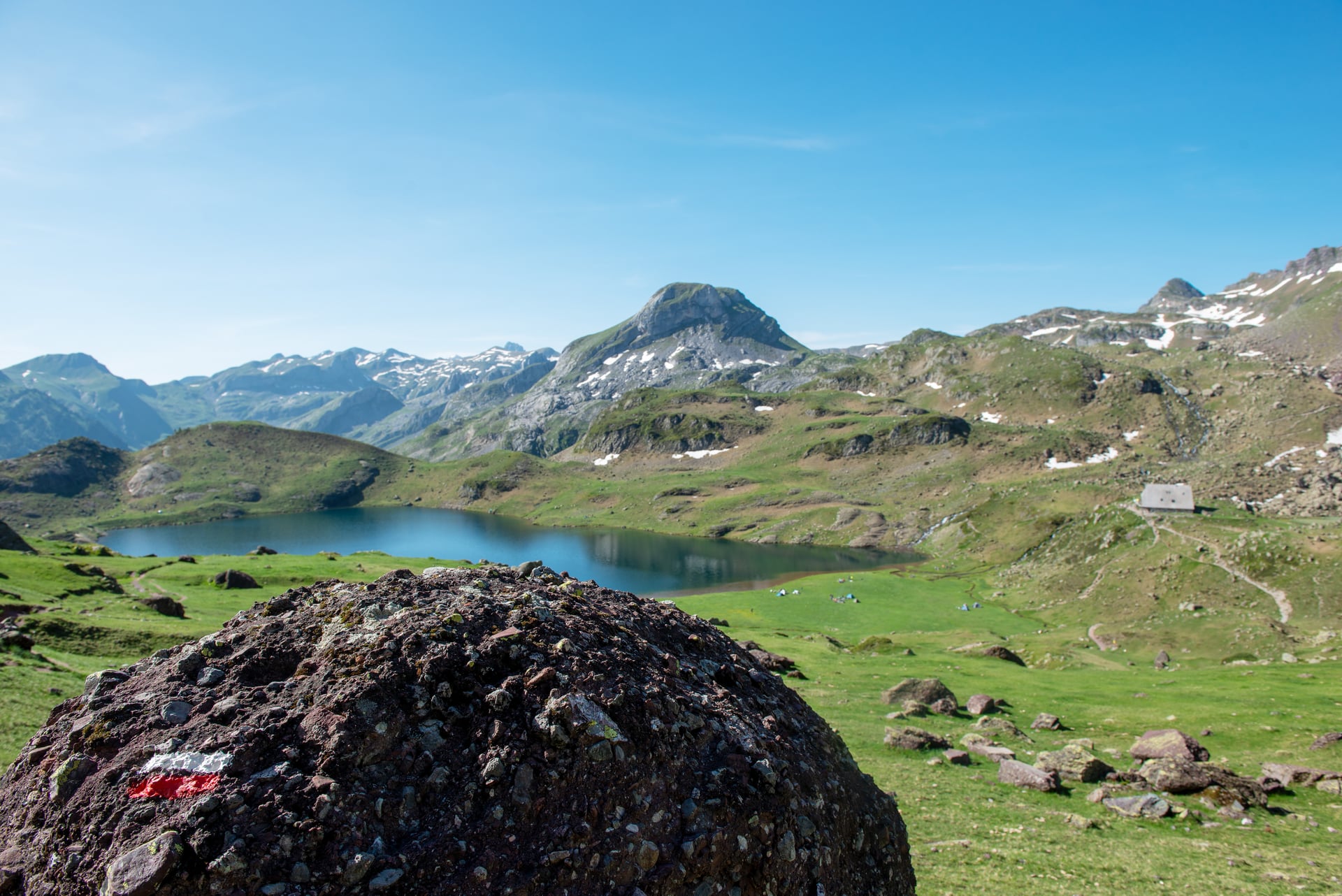
If you’d prefer to skip the logistics and simply focus on experiencing the Pyrenees, consider one of our supported hiking options:
We can also help you plan a custom itinerary that covers the very best sections of the GR10 without any organisational stress.
Send us your dates, and we’ll create a personalised GR10 hiking plan tailored to your pace and experience level.



Plan with a hiking expert
Free advice from a team that knows these routes inside out - real people, not a bot

HASSLE-FREE
We handle itineraries, accommodations, and anything else you prefer not to deal with, so you can enjoy a carefree hike.

BOOK WITH CONFIDENCE
We are a financially protected company, fully bonded and insured, keeping your money safe and allowing you to travel with confidence.

TRIED & TESTED ADVENTURES
Only the best hut to hut hikes in Europe, cherry-picked by our local team with an in-depth knowledge of the region.

UNBEATABLE SUPPORT
Our 24/7 customer support is where we show our passion, bringing you a better experience by making your well-being our number one priority.